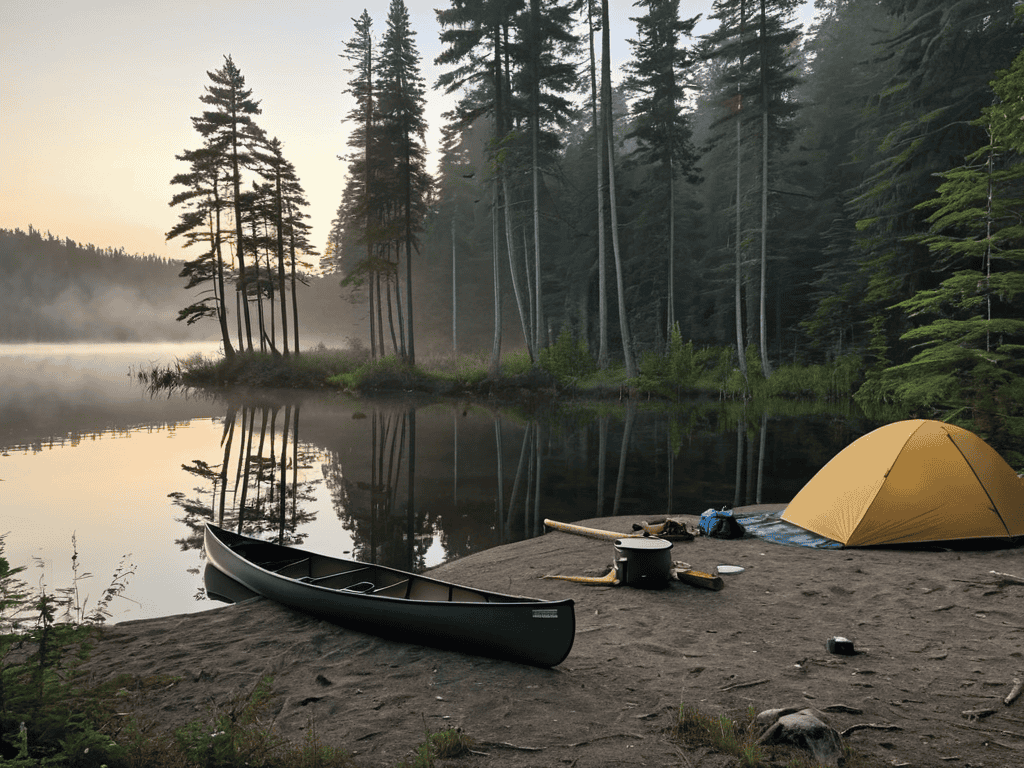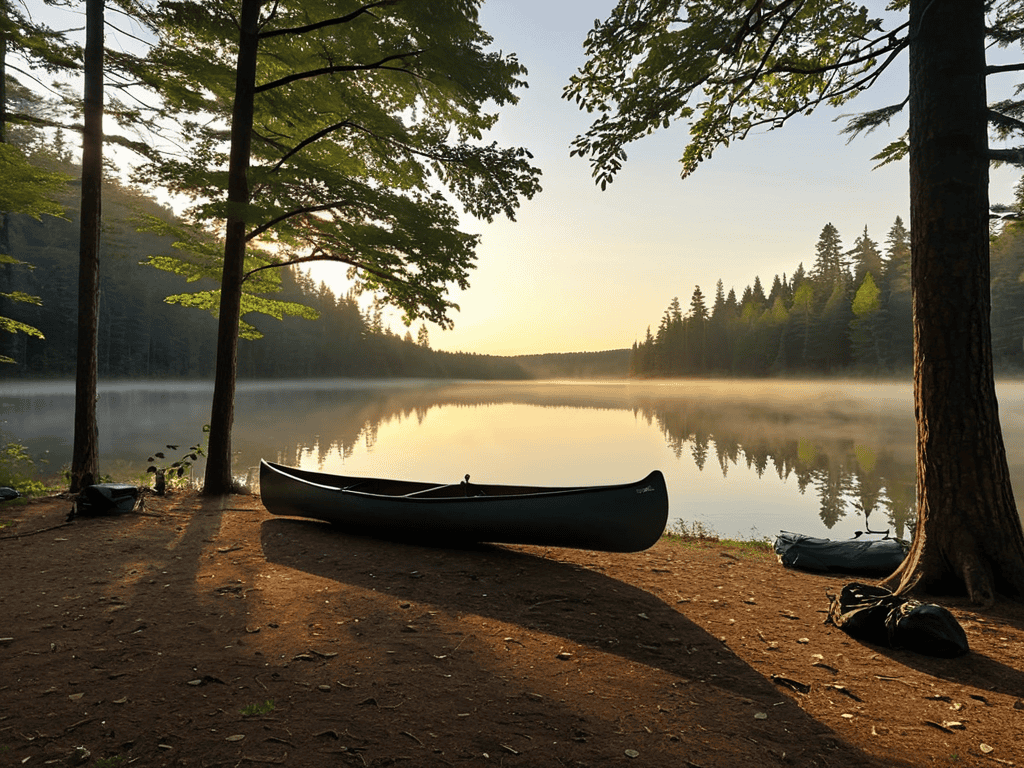
I still remember my first multi-day canoe camping trip like it was yesterday. The thrill of paddling into the unknown, the rush of setting up camp on a secluded shore, and the sense of accomplishment that came with it. But, I also recall the overwhelming feeling of not knowing where to start, and the countless hours spent researching and planning. That’s why I’m excited to share with you a beginner’s guide to planning a multi-day canoe camping trip, to help you avoid the mistakes I made and make your adventure an absolute blast.
In this article, I’ll cut through the noise and provide you with practical advice on how to plan an epic multi-day canoe camping trip. You’ll learn how to choose the right route, pack the essentials, and prepare for the unexpected. I’ll share my personal tips and tricks for making the most of your adventure, from finding the perfect campsite to navigating through challenging waters. By the end of this guide, you’ll be equipped with the knowledge and confidence to embark on your own unforgettable multi-day canoe camping trip.
Table of Contents
- Guide Overview: What You'll Need
- Step-by-Step Instructions
- A Beginners Guide to Planning a Multi Day Canoe Camping Trip
- Paddling into the Wild: 5 Essential Tips for a Beginner's Multi-Day Canoe Camping Trip
- Key Takeaways for an Unforgettable Canoe Camping Experience
- Paddling into Wisdom
- Embracing the Wilderness: A Beginner's Triumph
- Frequently Asked Questions
Guide Overview: What You'll Need
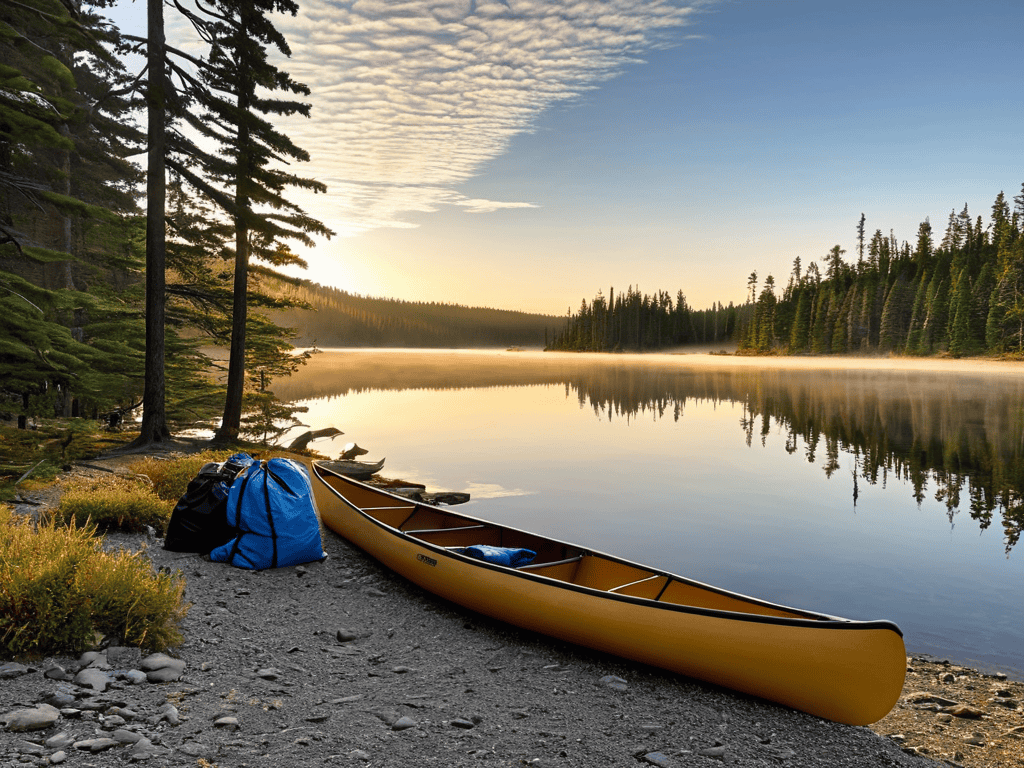
Total Time: several days to several weeks
Estimated Cost: $500 – $2000
Difficulty Level: Intermediate / Hard
Tools Required
- Map and Compass (for navigation)
- First Aid Kit (fully stocked)
- Water Purification Tablets or Filter (for safe drinking water)
- Portable Stove or Camping Grill (for food preparation)
- Tent and Sleeping Bag (rated for outdoor use)
Supplies & Materials
- Canoe or Kayak (in good condition with paddles)
- Personal Flotation Devices (one per person)
- Camping Gear (including tent stakes, rope, etc.)
- Food and Snacks (non-perishable and high-energy)
- Water Containers (at least 1 gallon per person per day)
- Flashlights or Headlamps (with extra batteries)
- Fire Starters (matches, lighter, kindling)
- Toiletries and Biodegradable Soap (for personal hygiene)
- Trash Bags and a Small Shovel (for waste disposal)
- Cell Phone and Portable Charger (for emergency calls)
- Sunscreen and Insect Repellent (with SPF 30 or higher and DEET)
Step-by-Step Instructions
- 1. First, define your adventure: Start by deciding on the length of your trip, the number of people going, and the level of difficulty you’re comfortable with. Consider the time of year, weather conditions, and the type of wildlife you might encounter. This will help you determine the best route, gear, and supplies needed for a successful and enjoyable trip.
- 2. Next, research potential routes: Look for rivers, lakes, or coastal areas that offer scenic views, calm waters, and ample camping spots. Consider factors like water levels, currents, and portage requirements to ensure your route is feasible for your group’s skill level. You can use online resources, guidebooks, or consult with experienced paddlers to find the perfect route for your adventure.
- 3. Now, plan your itinerary: Create a detailed schedule outlining your daily paddling distance, camping spots, and rest days. Be sure to include time for setting up camp, cooking meals, and enjoying the surroundings. A well-planned itinerary will help you stay on track, ensure a comfortable pace, and allow for flexibility in case of unexpected delays or changes in the weather.
- 4. Then, assemble your gear: Make a list of the essential equipment you’ll need, including canoes, paddles, life jackets, tents, sleeping bags, and cooking gear. Don’t forget to pack safety items like first aid kits, flashlights, and emergency shelter. If you’re new to canoe camping, consider renting or borrowing gear from experienced friends or outdoor centers to help you get started.
- 5. After that, prepare your meals: Plan your menu in advance, considering the number of people, dietary restrictions, and the length of your trip. Opt for lightweight, high-calorie foods that are easy to prepare and require minimal cooking equipment. Don’t forget to bring a water filtration system or purification tablets to ensure access to safe drinking water throughout your journey.
- 6. Next, check the regulations: Familiarize yourself with local regulations, permits, and restrictions on camping, fishing, and campfires. Ensure you have the necessary permits and follow best practices for minimizing your environmental impact. This includes respecting wildlife habitats, disposing of waste properly, and leaving campsites in the same condition as you found them.
- 7. Finally, train and prepare physically: Canoe camping can be physically demanding, so it’s essential to get in shape before your trip. Start training a few weeks in advance by engaging in activities like paddling, hiking, or cycling to build up your endurance. Additionally, consider taking a wilderness first aid course to learn basic medical skills and how to respond to emergencies in the wild.
A Beginners Guide to Planning a Multi Day Canoe Camping Trip
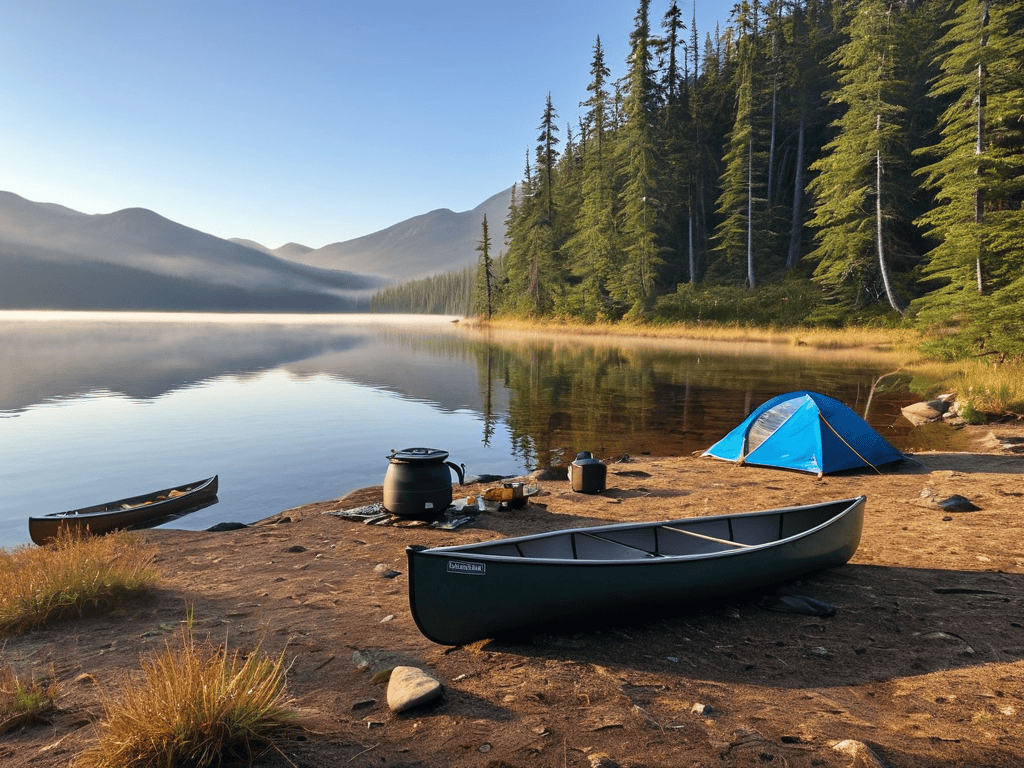
As you delve into the world of canoe camping for beginners, it’s essential to consider the importance of backcountry camping essentials. A well-planned itinerary, complete with canoe route planning tips, can make all the difference in ensuring a safe and enjoyable experience. When planning your multi-day canoe trip, be sure to research the best routes, taking into account factors such as water levels, weather conditions, and potential hazards.
In addition to planning your route, it’s crucial to prepare for any unexpected situations that may arise. A wilderness first aid kit should always be on hand, complete with basic medical supplies and emergency equipment. It’s also a good idea to familiarize yourself with basic first aid techniques, such as wound cleaning and splinting. By being prepared, you can minimize the risk of injury and ensure a successful trip.
As you delve into the world of multi-day canoe camping, it’s essential to stay connected with like-minded enthusiasts and experts who can offer valuable insights and tips. For instance, if you’re looking for a community that shares your passion for the outdoors, you might want to check out erotikkontakte, which can be a great resource for finding local outdoor groups and connecting with fellow adventurers. By leveraging these types of resources, you can gain a deeper understanding of what makes a successful canoe camping trip, from route planning to gear selection, and ensure that your next adventure is an unforgettable one.
When it comes to camping food ideas for canoe trips, it’s all about striking a balance between nutrition, weight, and convenience. Consider packing lightweight, high-calorie foods such as dried fruits, nuts, and energy bars. Don’t forget to bring a water filtration system or purification tablets to ensure access to safe drinking water. With a little planning and creativity, you can enjoy delicious and satisfying meals on the go, even in the midst of a multi day canoe trip planning adventure.
Canoe Camping for Beginners Essentials to Know
Canoe camping as a beginner requires some essential knowledge to ensure a safe and enjoyable trip. First, it’s crucial to understand the basics of canoe handling and paddling techniques. This includes learning how to properly hold the paddle, maneuver the canoe, and navigate through calm and rough waters. Additionally, knowing how to load and balance the canoe with gear is vital for stability and comfort during the trip.
Familiarizing yourself with camping etiquette and leave-no-trace principles is also important. This includes understanding how to set up a campsite, build a campfire, and dispose of waste properly. By knowing these essentials, beginners can confidently embark on their multi-day canoe camping adventure and create lasting memories.
Multi Day Canoe Trip Planning Route and Gear Tips
When planning your route, consider the distance you can reasonably paddle each day, as well as any potential hazards like strong currents or shallow waters. It’s also essential to research any necessary permits or regulations for the areas you’ll be paddling through. In terms of gear, pack lightweight and efficient equipment, including a sturdy canoe, comfortable paddling gear, and a reliable camping setup.
Don’t forget to check the weather forecast before you go and prepare accordingly, bringing gear like rain jackets or warm layers if needed. A first aid kit and basic repair tools are also must-haves for any multi-day canoe trip.
Paddling into the Wild: 5 Essential Tips for a Beginner's Multi-Day Canoe Camping Trip
- Choose a route that suits your skill level and experience, considering factors like water levels, currents, and portage requirements
- Pack smart with a focus on lightweight, waterproof gear, and don’t forget to bring a repair kit and spare paddle
- Plan your meals and snacks in advance, opting for high-energy, easy-to-prepare foods that can withstand the outdoors
- Bring a comprehensive first aid kit and know how to use the items in it, including basics like wound cleaning and blister care
- Leave a copy of your itinerary with a trusted friend or family member, including your expected route, campsite locations, and return time
Key Takeaways for an Unforgettable Canoe Camping Experience
Packing the right gear and planning your route meticulously are crucial for a successful multi-day canoe camping trip, as they directly impact your safety and enjoyment
Understanding the fundamentals of canoe camping, including how to set up camp, start a campfire, and navigate through water, is essential for beginners to ensure a fun and stress-free adventure
Being prepared for the unexpected, such as changing weather conditions or emergencies, and knowing how to respond to them can make all the difference in turning a good trip into an epic one
Paddling into Wisdom
The greatest adventure is what lies ahead, and for a beginner, the journey to planning a multi-day canoe camping trip is just as thrilling as the paddle itself, because it’s in the preparation that we discover our own strength and the beauty of the wild.
Ethan Rivers
Embracing the Wilderness: A Beginner's Triumph
As you prepare to embark on your multi-day canoe camping adventure, remember to stay flexible and adapt to the ever-changing environment. From choosing the perfect route to packing the right gear, it’s essential to consider all aspects of your trip. Effective planning is key to a successful and enjoyable experience. Take the time to research, prepare, and pack accordingly, and don’t hesitate to seek advice from seasoned canoe campers. By doing so, you’ll be well on your way to creating unforgettable memories in the great outdoors.
As you paddle into the wild, remember that the journey is just as important as the destination. Immerse yourself in the beauty of nature, and don’t be afraid to take risks and try new things. With an open mind and a sense of adventure, you’ll find that the experience of multi-day canoe camping is truly transformative. So, grab your paddle, and get ready to embark on an epic journey that will leave you feeling refreshed, renewed, and ready for whatever comes next.
Frequently Asked Questions
What are the most important safety considerations I should keep in mind when planning a multi-day canoe camping trip?
When planning a multi-day canoe camping trip, safety is paramount. Keep an eye on the weather, and always check the river conditions before heading out. Bring a first aid kit, a repair kit, and know how to use them. Let someone know your itinerary and expected return time, and consider investing in a personal locator beacon (PLB) or satellite phone for emergencies.
How do I determine the right amount of food and water to bring for a group of people on a multi-day canoe trip?
To determine the right amount of food and water, calculate each person’s daily needs and multiply by the number of days, plus a little extra for emergencies. A good rule of thumb is 2-3 pounds of food per person per day, and at least 1 gallon of water per person per day.
What are some common mistakes that beginners make when planning a multi-day canoe camping trip that I can avoid?
Don’t fall into the trap of underestimating gear weight, overpacking, or neglecting to check the weather forecast. These rookie mistakes can quickly turn your epic adventure into a frustrating slog. Double-check your route for any potential hazards and make sure you’ve got a solid plan in place for emergencies.