As I stood in the checkout line, watching my grocery bill tally up to a staggering amount, I couldn’t help but think about the myth that grocery shopping savings requires sacrificing quality for cheap prices. But I’ve learned that this just isn’t true. In fact, with a few savvy strategies, you can enjoy the best of both worlds: healthy, delicious food without breaking the bank. I’ve spent years studying the art of smart grocery shopping, and I’m excited to share my knowledge with you. Whether you’re a busy professional or a family on a budget, grocery shopping savings is within reach.
In this article, I’ll cut through the noise and give you practical, actionable tips to transform your grocery shopping experience. You’ll learn how to plan your meals, make a smart shopping list, and navigate the store like a pro. My goal is to empower you with the confidence to take control of your grocery shopping savings, without feeling overwhelmed or sacrificing the foods you love. By the end of this guide, you’ll be equipped with the tools to save money, reduce food waste, and enjoy healthy, delicious meals without blowing your budget.
Table of Contents
Guide Overview: What You'll Need
Total Time: 1 hour 15 minutes
Estimated Cost: $0 – $10
Difficulty Level: Easy
Tools Required
- Computer (with internet access)
- Calculator (optional)
Supplies & Materials
- Coupons (printed or digital)
- Shopping List (written or on a mobile app)
Step-by-Step Instructions
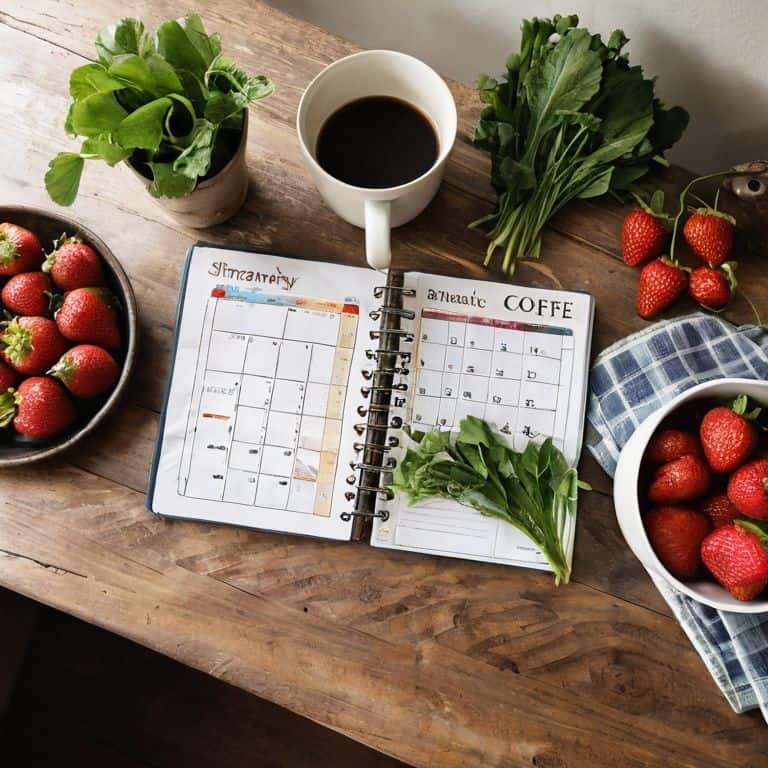
- 1. First, do this: before you even step foot in the grocery store, plan your meals for the week. This simple step can help you avoid buying unnecessary items and reduce food waste. Take some time to think about what you want to cook, and make a list of the ingredients you need. I like to use a vintage financial calculator to tally up the estimated costs of my meals, it’s a fun way to stay on budget.
- 2. Next, make a grocery list and stick to it. This will help you avoid impulse buys and ensure that you only purchase what you need. Go through your pantry, fridge, and freezer to see what you already have, and adjust your list accordingly. I also like to check the weekly ads for my local grocery stores to see what’s on sale and plan my list around those items. This can help you save big on the items you need.
- 3. When you’re at the store, shop the perimeter first. This is where the fresh produce, meats, and dairy products are typically located. These items are often less processed and can be healthier options. Plus, buying fresh ingredients can help you avoid the higher costs of pre-packaged or convenience foods. I like to think of this step as investing in my health.
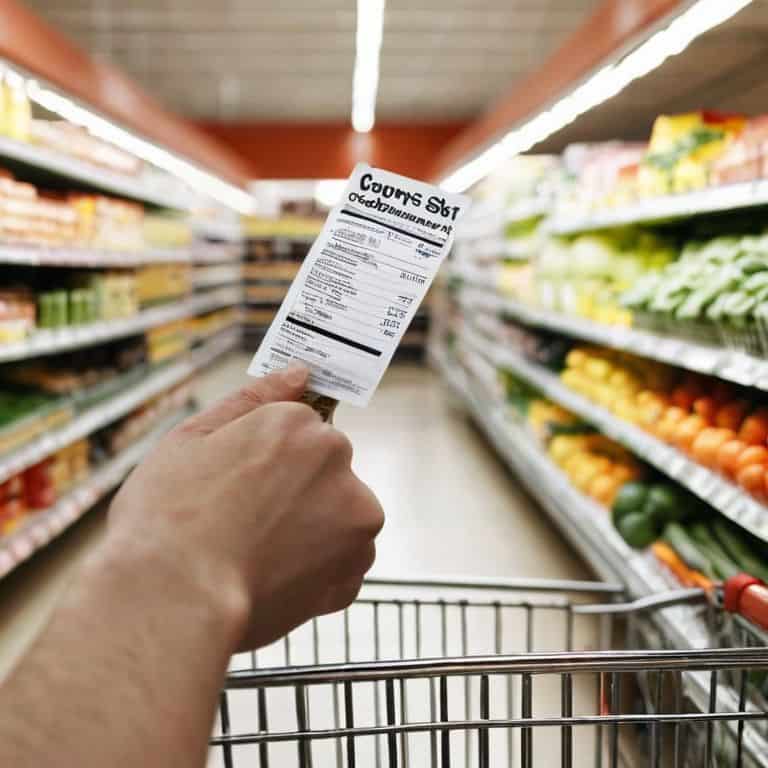
- 4. Now, let’s talk about coupons. While clipping coupons can be a bit old-fashioned, it’s still a great way to save money on the items you need. Look for digital coupons on the store’s website or app, and load them onto your loyalty card. You can also find coupons in the Sunday paper or online. Just be sure to read the fine print and only use coupons for items you would normally buy. I like to use my vintage financial calculator to calculate the savings I’ll get from using coupons.
- 5. Another way to save is to buy in bulk. Non-perishable items like rice, pasta, and canned goods are great candidates for bulk purchases. Just be sure to check the price per unit to make sure you’re really getting a deal. I also like to consider the storage space I have available at home before buying in bulk. You don’t want to end up with a bunch of expired items that you can’t use.
- 6. When it comes to meat and seafood, consider buying in bulk and portioning it out yourself. This can be a great way to save money on these items, which can often be the most expensive part of your grocery bill. Just be sure to label and date everything so you can keep track of what you have and how long it’s been in the freezer. I like to use my vintage financial calculator to calculate the cost per pound of the meat and seafood I buy.
- 7. Finally, shop during sales tax holidays or take advantage of cashback apps that offer rebates on certain items. These can be great ways to save even more money on your grocery bill. Just be sure to read the fine print and understand the terms and conditions of the program. I like to think of these programs as a way to get paid to shop, which is always a nice bonus.
Quest for Grocery Shopping Savings
As I sit here with my vintage financial calculator, I’m reminded of the importance of affordable meal planning ideas in reducing our overall expenses. By taking some time to plan out our meals for the week, we can avoid last-minute takeout orders and stick to our budgets. I’ve found that seasonal produce for savings is a great way to do this, as it allows us to take advantage of the freshest ingredients while also saving some money.
When it comes to actually buying groceries, there are several discount grocery store options available to us. From dollar stores to discount supermarkets, these alternatives can offer significant savings on everyday items. By combining these options with budget friendly grocery list tips, such as buying in bulk and using coupons, we can make our grocery budgets stretch even further.
One of the most significant challenges in reducing our grocery expenses is strategies for reducing food waste. By planning our meals and making a list before we go to the store, we can avoid buying too much food and ending up with expired or spoiled items. This not only saves us money but also helps to reduce our environmental impact.
Couponing Quests Discount Grocery Store Tips
As I delved into the world of couponing, I discovered a treasure trove of discount grocery store tips. My trusty vintage financial calculator, a 1980s relic, helped me crunch the numbers and maximize my savings. I found that combining manufacturer coupons with store sales can lead to significant discounts. Additionally, signing up for store loyalty programs and using cashback apps can further reduce my grocery bill. By embracing the art of couponing, I’ve been able to stock my pantry with essentials while keeping my expenses in check. With a little creativity and strategic planning, anyone can embark on their own couponing quest and reap the rewards of discounted grocery shopping.
Seasonal Secrets Affordable Meal Planning
As I delve into the world of affordable meal planning, I’m reminded of my travels to the historic financial districts of Europe, where seasonal ingredients reign supreme. In the spirit of embracing what’s fresh and locally available, I’ve found that planning meals around the changing seasons can be a game-changer for our wallets. By incorporating in-season produce into our recipes, we can not only reduce our grocery bills but also discover new flavors and textures to tantalize our taste buds.
With my trusty vintage calculator by my side, I’ve crunched the numbers and found that seasonal meal planning can lead to significant savings. For instance, opting for in-season fruits and vegetables can save us up to 20% on our weekly grocery bills. By embracing the seasonal secrets of affordable meal planning, we can savor the flavors of the season while keeping our finances in check.
Savvy Shopper's Arsenal: 5 Essential Tips for Grocery Shopping Savings
- Shop the Perimeter: Focus on whole foods like produce, meats, and dairy products, which are often located on the perimeter of the store, to reduce processed food purchases and save money
- Plan Ahead with Sales Flyers: Check weekly grocery ads to plan meals around discounted items, ensuring you never miss a deal and always have a stocked pantry
- Buy in Bulk Wisely: Purchase non-perishable items in bulk, but avoid overbuying, to minimize waste and maximize savings on staples like grains, nuts, and cleaning supplies
- Use Cashback Apps: Leverage cashback apps like Ibotta and Fetch Rewards to earn money back on everyday grocery items, from staples to treats
- Shop in Season: Choose fruits and vegetables that are in season to get the best prices, support local farmers, and enjoy a varied, nutritious diet without breaking the bank
Key Takeaways for a Prosperous Pantry
By embracing seasonal meal planning and affordable grocery shopping strategies, you can significantly reduce your monthly expenditures and allocate those savings towards more meaningful financial goals.
Leveraging coupons, discount stores, and clever shopping lists can transform your grocery shopping experience from a financial burden to a rewarding adventure of discovery and thriftiness.
Ultimately, the quest for grocery shopping savings is not just about pinching pennies, but about cultivating a mindset of financial wisdom, where every dollar saved is a step closer to achieving your long-term financial aspirations.
Wisdom in the Aisles
The true magic of grocery shopping savings lies not in the coupons or the sales, but in the mindset: it’s about transforming every trip to the market into an opportunity to invest in your future, one thoughtful purchase at a time.
Olivia Peterson
Empowered Savings: The Fruit of Your Labor

As we conclude our journey through the realm of grocery shopping savings, let’s recap the key strategies that will help you conquer the aisles. From implementing savvy meal planning techniques that incorporate seasonal secrets, to embarking on couponing quests that unlock discount grocery store tips, every step you take brings you closer to your financial goals. By applying these practical tips, you’ll not only reduce your expenses but also develop a more mindful approach to grocery shopping.
In the end, it’s not just about saving money on groceries; it’s about adopting a financially fearless mindset that empowers you to take control of your economic destiny. As you continue on your quest for grocery shopping savings, remember that every dollar saved is a testament to your growing financial wisdom. So, go forth and fill your cart with confidence, knowing that the true treasure lies not in the items you purchase, but in the financial freedom you’ve cultivated along the way.
Frequently Asked Questions
How can I effectively plan my grocery shopping to avoid impulse buys and stay within my budget?
To avoid impulse buys and stay on track, I swear by making a meal plan and sticking to my list. Before heading to the store, I take a few minutes to plan out my meals for the week, and then I write down only the essentials I need. It’s amazing how this simple trick helps me resist tempting treats and stay within my budget!
What are some creative ways to use coupons and discount codes to maximize my grocery shopping savings?
I just love uncovering creative couponing strategies. One of my favorites is stacking manufacturer coupons with store discounts, and even using cashback apps like Ibotta for extra savings – it’s like finding a vintage financial calculator in a thrift store, a delightful surprise that adds up to big savings!
Are there any specific grocery stores or loyalty programs that offer better savings opportunities than others?
I’ve got my eyes on stores like Aldi and Lidl for their budget-friendly options, and loyalty programs like Ibotta and Fetch Rewards for their cashback perks. My vintage calculator and I have crunched the numbers, and these gems can help you save big on everyday items!