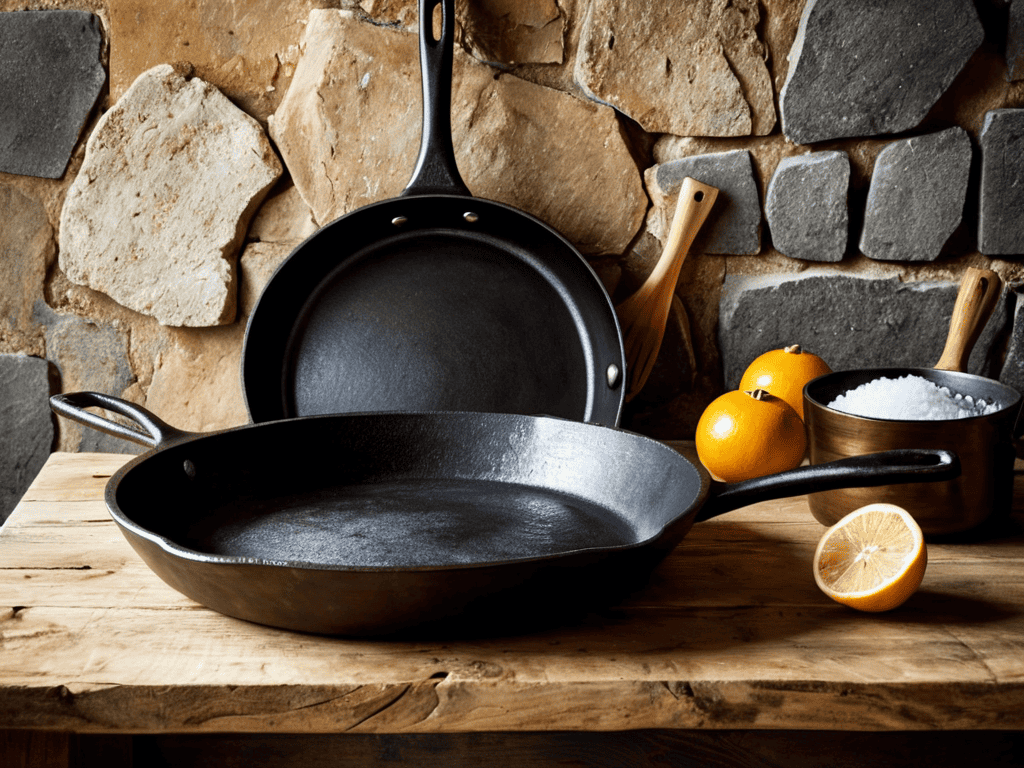
As I wandered through the vintage kitchenware market, I stumbled upon a fascinating debate – Cast Iron vs Carbon Steel, which one truly reigns supreme in the world of cooking? The age-old question sparked a flurry of thoughts, and I found myself pondering the unique characteristics of each. I recalled my grandmother’s well-seasoned cast iron skillet, which had been passed down through generations, and the durability it had shown over the years. Yet, I had also heard tales of carbon steel’s exceptional heat conductivity, making it a favorite among professional chefs.
In this article, I promise to cut through the hype and provide you with honest, experience-based advice on the Cast Iron vs Carbon Steel dilemma. As a cultural critic, I’ve had the privilege of exploring various kitchens and cooking techniques, and I’m excited to share my findings with you. I’ll delve into the cultural narratives surrounding these two materials, highlighting their strengths and weaknesses, and helping you make an informed decision that suits your cooking style. By the end of this journey, you’ll be equipped with the knowledge to choose the perfect material for your kitchen, and perhaps, even discover a new appreciation for the art of cooking.
Table of Contents
Cast Iron
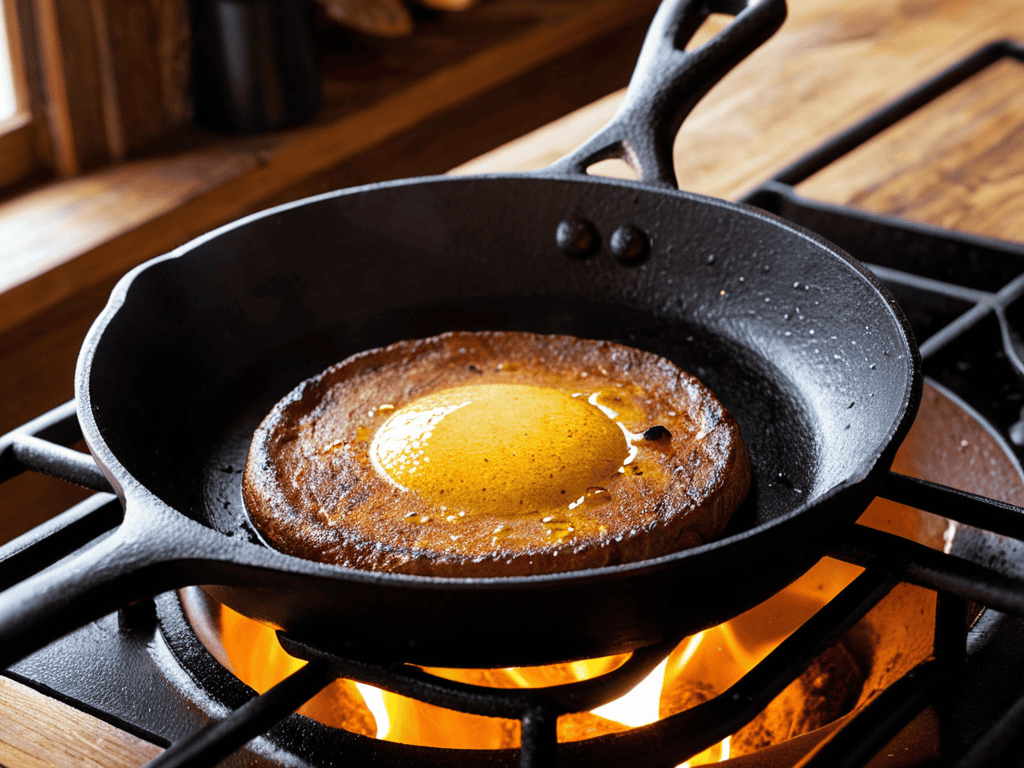
Cast iron is a type of cookware made from iron alloy with a high carbon content, known for its heat retention properties and ability to distribute heat evenly, making it a popular choice for cooking methods like searing and frying. The main selling point of cast iron cookware is its durability and versatility, allowing it to be used for a wide range of cooking techniques, from stovetop to oven cooking. When considering cast iron vs carbon steel, it’s essential to understand the unique characteristics of each material.
As I delved into the world of cast iron cooking, I discovered that its benefits extend beyond the kitchen. The process of seasoning and maintaining cast iron cookware can be a meditative experience, teaching patience and appreciation for the simple things in life. I recall attending a community theater production that featured a cast iron cooking demonstration, which sparked a fascinating discussion about the role of food in bringing people together. The cultural significance of cast iron cookware lies in its ability to evoke a sense of nostalgia and community, making it a beloved choice for many home cooks and professional chefs alike.
Carbon Steel
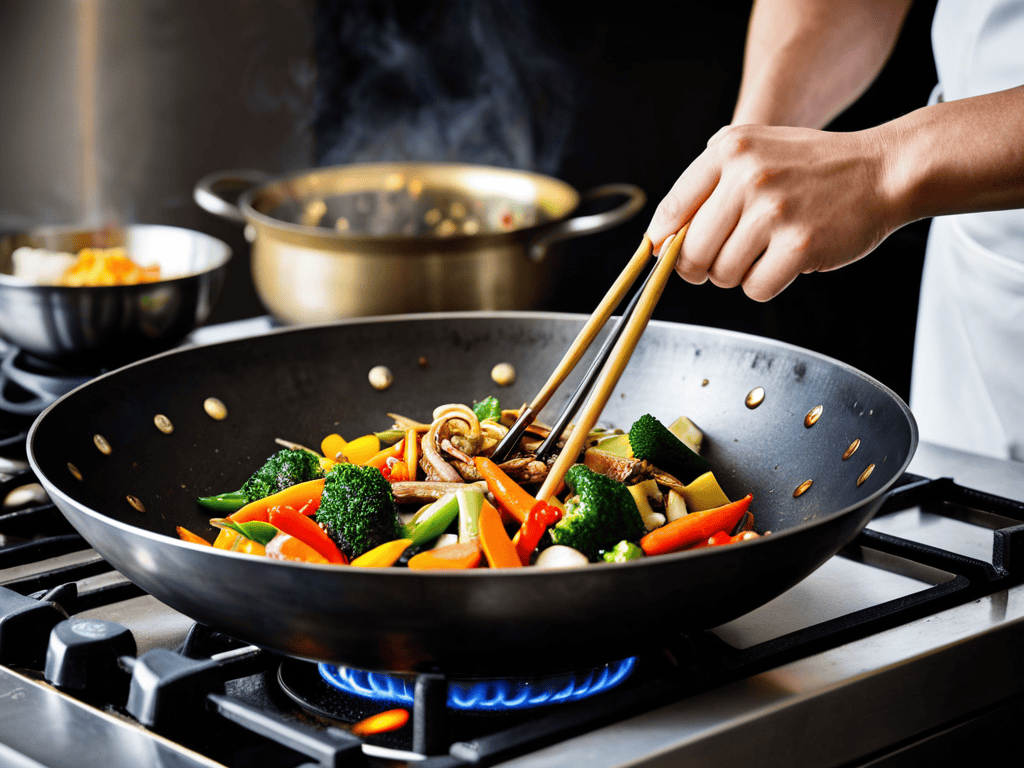
Carbon steel is a type of metal alloy composed of iron and carbon, known for its exceptional strength and lightweight properties, making it an ideal material for cookware that requires durability and ease of use. The main advantage of carbon steel cookware is its ability to heat up quickly and respond well to temperature changes, allowing for precise control over cooking techniques like sautéing and stir-frying. When exploring the carbon steel option, it’s crucial to consider its unique characteristics and how they impact the cooking experience.
As I explored the world of carbon steel cookware, I found that its benefits are deeply rooted in its practical applications. The ease of use and quick heating properties of carbon steel make it an excellent choice for busy home cooks and professional chefs alike. I remember attending a live theater performance that featured a carbon steel cooking demonstration, which highlighted the importance of efficiency in the kitchen. The cultural significance of carbon steel cookware lies in its ability to adapt to modern cooking styles while maintaining a sense of tradition and heritage, making it a popular choice for those who value both form and function.
Cast Iron vs Carbon Steel: Head-to-Head Comparison
| Feature | Cast Iron | Carbon Steel |
|---|---|---|
| Price | Moderate to High | Low to Moderate |
| Key Feature | Durable, Heat Retentive | Lightweight, High Strength |
| Best For | Cooking, Decorative Items | Construction, Automotive |
| Weight | Heavy | Light |
| Corrosion Resistance | High with Seasoning | Variable with Coating |
| Conductivity | Good Heat Conductor | Excellent Heat Conductor |
| Maintenance | Seasoning Required | Low Maintenance |
Cast Iron vs Carbon Steel
As I delved into the world of cooking, I realized that the choice of material is crucial, especially when it comes to cast iron and carbon steel. The reason this criterion stands out is that it directly affects the durability and performance of the cookware. Understanding the differences between these two materials can make a significant impact on the overall cooking experience.
As I delved deeper into the world of cast iron and carbon steel, I found myself drawn to the stories of artisans and cooks who have spent years perfecting their craft. In my quest for knowledge, I stumbled upon a fascinating community that shares my passion for the cultural narratives behind these materials. For those who, like me, are eager to immerse themselves in the rich history of cast iron and carbon steel, I highly recommend exploring the wealth of information available online, particularly through forums and blogs that highlight the experiences of everyday people. One such resource that I’ve found particularly insightful is a website that offers a platform for people to connect and share their stories, which can be found at sex chat scotland, where individuals can engage in meaningful conversations and learn from one another’s perspectives, ultimately enriching their understanding of the subject matter.
When comparing cast iron and carbon steel, it’s essential to examine their heat retention properties. Cast iron is known for its excellent heat retention, allowing for a consistent cooking temperature. On the other hand, carbon steel also retains heat well, but it is generally lighter and more responsive to temperature changes.
In a head-to-head analysis, cast iron seems to have a slight edge over carbon steel in terms of heat distribution. However, carbon steel’s ease of use and maintenance make it an attractive option for many cooks. Considering these factors, I would declare cast iron the winner in this category, as its exceptional heat retention and distribution make it a superior choice for certain types of cooking.
Key Takeaways: Cast Iron vs Carbon Steel
As I delved into the world of cast iron and carbon steel, I discovered that the choice between these two materials often reflects a deeper connection to tradition, cultural heritage, and personal cooking style.
Beyond the technical differences, the narratives surrounding cast iron and carbon steel reveal a complex interplay between history, community, and the evolving role of cooking in our lives, making each material a unique storyteller in the kitchen.
Ultimately, whether you side with the rustic charm of cast iron or the modern efficiency of carbon steel, the true beauty lies in the stories we tell through our cooking, and the ways in which these materials become characters in the ever-unfolding narrative of our culinary traditions.
A Culinary Conundrum
As I delved into the world of cooking, I realized that the choice between cast iron and carbon steel is not just about materials, but about the stories we tell through the food we create – the rugged, dependable narrative of cast iron versus the sleek, modern tale of carbon steel.
Emma Carter
Conclusion
As I reflect on the comparison between cast iron and carbon steel, it’s clear that both materials have their own unique strengths and weaknesses. Durability and heat retention are key factors to consider when deciding which one to use in your kitchen. Cast iron, with its rugged construction and excellent heat retention, is ideal for certain types of cooking, while carbon steel, with its lighter weight and faster heating times, is better suited for others. By considering these factors and weighing the pros and cons, you can make an informed decision that suits your cooking style.
Ultimately, the choice between cast iron and carbon steel comes down to personal preference and the type of cooking you plan to do. As I close this comparison, I’m reminded that the true beauty of cooking lies not in the materials we use, but in the stories and traditions that are passed down through the food we share with others. By embracing the unique qualities of both cast iron and carbon steel, we can forge new connections and create lasting memories in the kitchen.
Frequently Asked Questions
What are the key differences in heat retention and distribution between cast iron and carbon steel cookware?
As I delved into the world of cast iron and carbon steel, I noticed a significant difference in heat retention and distribution. Cast iron tends to retain heat longer, but can be slower to distribute it, while carbon steel heats up quickly and distributes heat more evenly, making it ideal for high-heat searing and precise temperature control.
How do the durability and maintenance requirements of cast iron and carbon steel pans compare?
As I delved into the world of cast iron and carbon steel pans, I found that both boast impressive durability, but their maintenance needs differ. Cast iron pans require periodic seasoning, while carbon steel pans need occasional oiling to prevent rust. With proper care, both can last for decades, but cast iron’s ruggedness gives it a slight edge in terms of longevity.
Can the unique properties of cast iron and carbon steel influence the final flavor and texture of cooked dishes?
As I’ve discovered in my culinary adventures, the distinct properties of cast iron and carbon steel can indeed impact the final flavor and texture of dishes. Cast iron’s heat retention and distribution, for instance, can create a crispy crust on seared meats, while carbon steel’s lighter weight and faster heating can preserve delicate flavors in sauces and stir-fries.