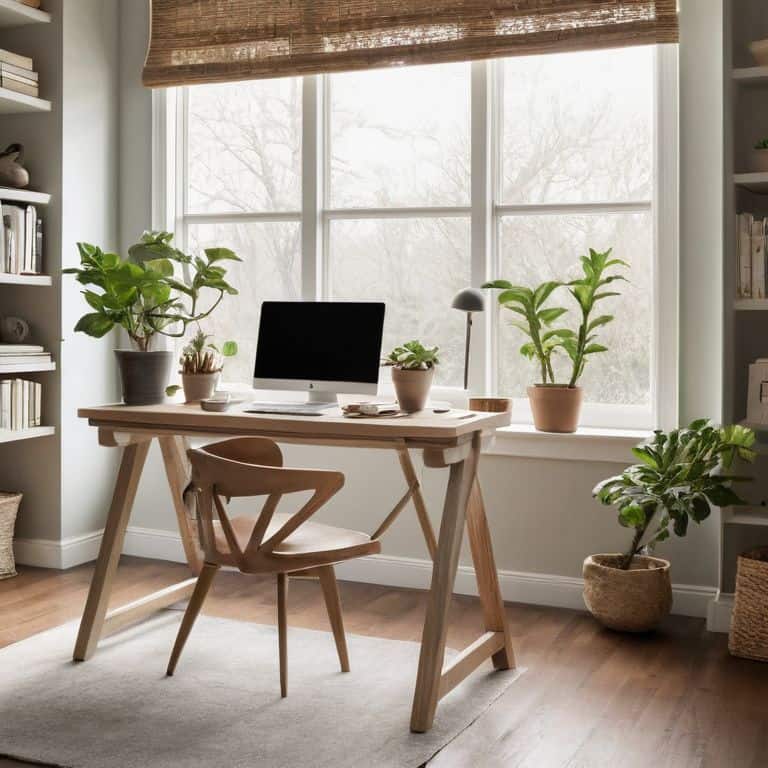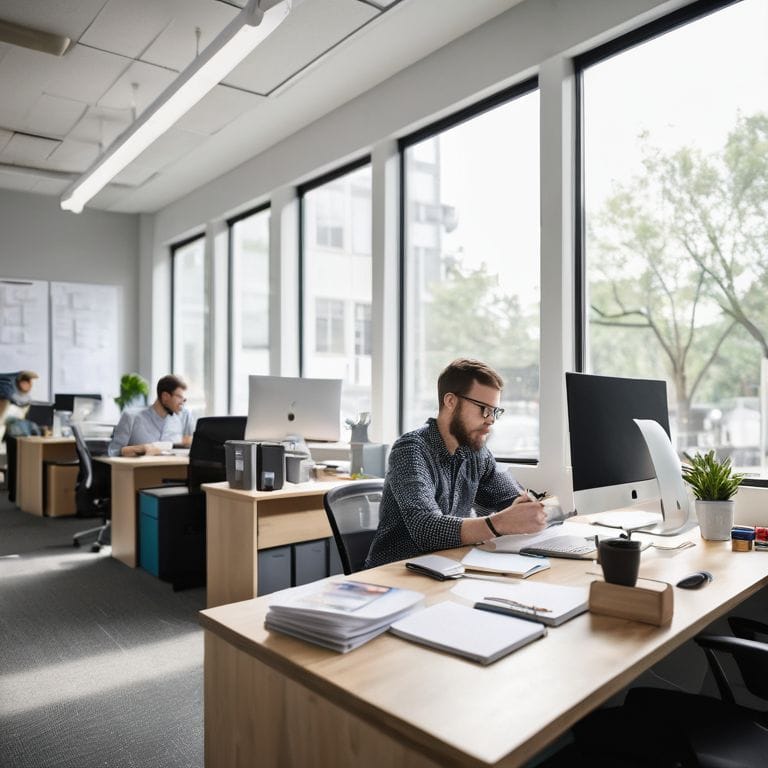
I still remember the days when workplace efficiency was all about cramming more tasks into an already overflowing schedule, only to end up feeling drained and unfulfilled. It was as if the more we hustled, the more we seemed to fall behind. I recall a particularly chaotic project where our team was expected to meet an impossible deadline, and we were told to just “work smarter, not harder.” But what does that even mean when you’re already running on empty? It was then that I realized the conventional wisdom on workplace efficiency was not only misleading but also damaging to our well-being.
As someone who’s spent years optimizing workflows and testing various productivity techniques, I’m here to offer you a different perspective – one that prioritizes balance and mindfulness over mere busyness. In this article, I’ll share my top tips for achieving genuine workplace efficiency, from streamlining your tasks to cultivating a more focused mindset. My goal is to provide you with actionable strategies that you can apply immediately, without the fluff or hype. I believe that by working more efficiently, you should be able to enjoy a better work-life balance, not just sacrifice your sanity for the sake of productivity.
Table of Contents
Unlocking Workplace Efficiency
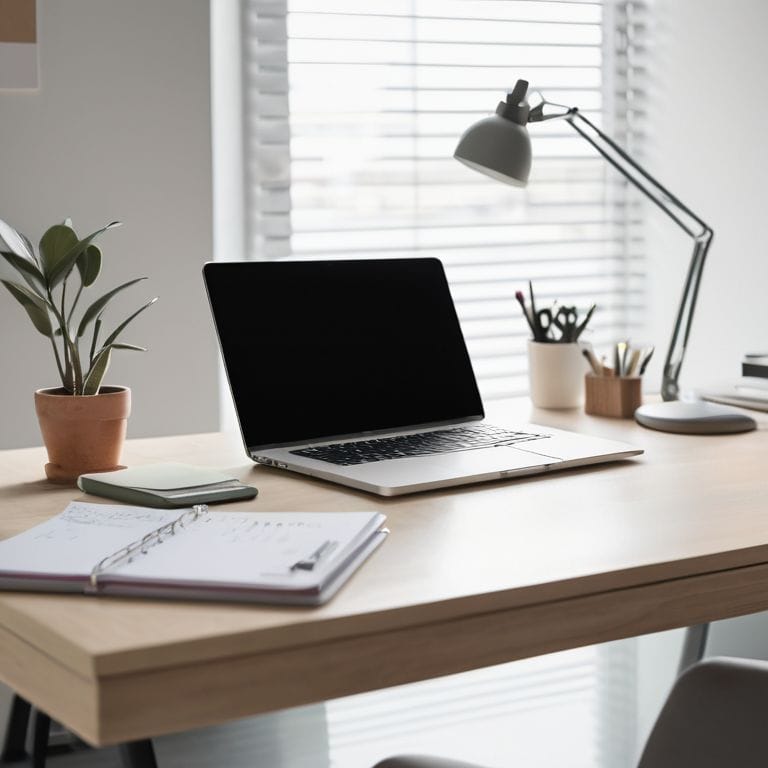
To truly streamline office tasks, it’s essential to assess your current workflow and identify areas of improvement. I’ve found that effective time management techniques can make all the difference in boosting productivity. By prioritizing tasks and minimizing distractions, you can create a more focused work environment. As someone who’s obsessed with testing productivity apps, I’ve discovered that the right tools can significantly enhance your ability to manage time effectively.
When it comes to boosting team collaboration, open communication is key. Encouraging feedback and active listening can help foster a sense of unity and cooperation among team members. I’ve seen firsthand how productivity tracking software can help teams stay on the same page and work towards common goals. By leveraging these tools, you can create a more harmonious and productive work environment.
In my experience, ergonomic workspace design plays a significant role in reducing fatigue and increasing focus. By designing a workspace that promotes comfort and well-being, you can help your team stay energized and motivated throughout the day. Additionally, implementing strategies to reduce workplace distractions can help minimize interruptions and keep your team on track. Whether it’s creating a quiet room or establishing set working hours, there are many ways to create a more conducive work environment.
Effective Time Management for a Balanced Life
To achieve a balanced life, it’s essential to prioritize effective time management. This involves setting clear goals, avoiding distractions, and minimizing procrastination. By doing so, you can create a schedule that allows for a healthy mix of work, rest, and play.
I’ve found that using time blocking can be a game-changer in maintaining a balanced life. This technique involves allocating specific time slots for tasks, eliminating the likelihood of overcommitting and reducing stress. By incorporating time blocking into your daily routine, you can enjoy a more peaceful and productive life.
Streamlining Office Tasks With Mindful Intent
As I sit at my desk, surrounded by the gentle hum of computers and the occasional rustle of paper, I’m reminded of the importance of mindful intent in streamlining office tasks. It’s easy to get caught up in the hustle and bustle of deadlines and meetings, but taking a step back to breathe and focus can make all the difference. I’ve found that by incorporating short moments of meditation and deep breathing into my daily routine, I’m able to approach tasks with a clearer mind and a sense of purpose.
By simplifying workflows, we can eliminate unnecessary steps and reduce stress, allowing us to work more efficiently and effectively. This might involve automating repetitive tasks, delegating responsibilities, or simply taking a few minutes to review and adjust our schedules for the day.
Designing Efficient Workspaces
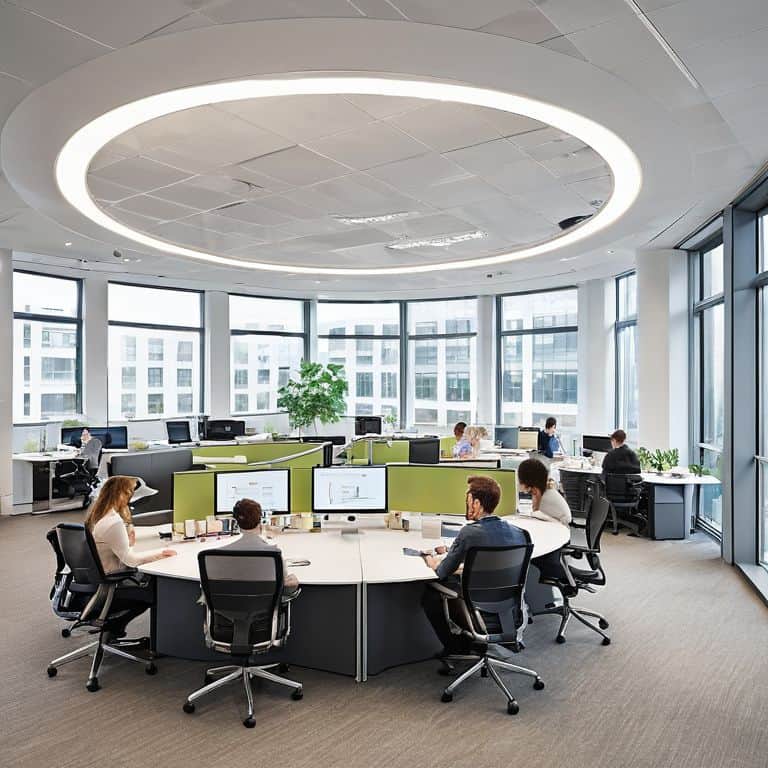
When it comes to boosting team collaboration, the physical space plays a significant role. I’ve seen firsthand how an _ergonomic workspace design_ can make all the difference in fostering a sense of community and cooperation among team members. By arranging workstations to promote face-to-face interaction and incorporating collaborative tools, teams can work more seamlessly together.
To take it to the next level, I recommend implementing effective time management techniques that prioritize focus and minimize distractions. This can be as simple as designating quiet hours or establishing a “no meeting” day. By doing so, teams can stay on track and maintain a sense of flow, leading to increased productivity and job satisfaction.
In my experience, productivity tracking software can also be a valuable asset in designing efficient workspaces. By leveraging data and insights, teams can identify areas for improvement and make informed decisions about their workflow and workspace layout. Additionally, incorporating elements like plants, natural light, and calming colors can help reduce _workplace distractions_ and create a more peaceful environment, allowing team members to stay focused and motivated.
Boosting Collaboration With Productivity Tracking
When it comes to teamwork, seamless communication is essential for success. I’ve found that implementing productivity tracking tools can significantly enhance collaboration among team members. By using these tools, everyone can see who’s working on what and when, making it easier to delegate tasks and avoid duplication of effort.
To take it to the next level, I recommend setting clear goals and objectives for each project. This helps ensure everyone is on the same page and working towards the same outcome. By combining productivity tracking with clear goal-setting, teams can stay focused, motivated, and ultimately achieve more together.
Ergonomic Design for Reduced Distractions
When it comes to designing an efficient workspace, ergonomic design plays a crucial role in reducing distractions and promoting focus. By arranging your workspace in a way that minimizes clutter and maximizes comfort, you can significantly reduce eye strain, back pain, and other physical distractions that can derail your productivity.
I’ve found that incorporating minimalist elements into your workspace can be incredibly effective in reducing visual distractions and promoting a sense of calm. This can be as simple as using a simple desk organizer or investing in a high-quality, ergonomic chair that supports your back and promotes good posture.
5 Game-Changing Tips to Supercharge Your Workplace Efficiency

- Set clear intentions: Start your day by prioritizing tasks that align with your goals, and break them down into manageable chunks to maintain focus
- Implement a ‘stop doing’ list: Identify tasks that drain your energy or distract you from high-priority work, and eliminate them to free up mental space
- Use technology to your advantage: Explore different productivity apps and tools to find what works best for you, and automate repetitive tasks to save time
- Create a distraction-free zone: Design your workspace to promote flow, whether that means using noise-cancelling headphones or setting up a standing desk
- Schedule self-care: Make time for activities that nourish your mind and body, such as meditation or a lunchtime walk, to maintain your energy and motivation
Key Takeaways for Achieving Workplace Efficiency
Prioritize mindful intent in streamlining office tasks to reduce stress and increase productivity
Implement effective time management strategies to maintain a healthy work-life balance and boost overall well-being
Design workspaces with ergonomic principles and incorporate productivity tracking tools to foster collaboration and minimize distractions
Finding Harmony in Efficiency
Workplace efficiency isn’t just about getting more done in less time; it’s about crafting a space where productivity and mindfulness coexist, allowing us to thrive, not just survive, in our daily hustle.
Avery Mitchell
Finding Harmony in the Hustle: Conclusion
As we’ve explored the world of workplace efficiency, it’s clear that streamlining our workflows and managing our time effectively are crucial elements in achieving a better work-life balance. From streamlining office tasks with mindful intent to designing efficient workspaces that boost collaboration and reduce distractions, the key is to find a rhythm that works for you and your team. By implementing these strategies and being open to continuous improvement, you’ll be well on your way to creating a more productive and peaceful work environment.
As you embark on your own journey to enhance workplace efficiency, remember that it’s all about finding harmony in the hustle. Don’t be too hard on yourself when things don’t go as planned – mindfulness and flexibility are your greatest allies. By embracing these principles and staying committed to your goals, you’ll not only achieve greater productivity but also cultivate a sense of fulfillment and purpose that will stay with you long after the workday is done.
Frequently Asked Questions
How can I prioritize tasks effectively to maximize my productivity in a busy workplace?
For me, prioritizing tasks is all about focus and clarity – I use the Eisenhower Matrix to categorize tasks into urgent vs. important, and then tackle them one by one, eliminating distractions along the way. Give it a try and see how it boosts your productivity!
What are some simple yet effective ways to minimize distractions and stay focused on my work?
I’m a big fan of the Pomodoro Technique – work in focused 25-minute increments, then take a 5-minute break. It’s amazing how much you can get done without distractions! I also swear by website blockers and scheduling social media checks to minimize digital distractions. Give it a try and see what works best for you!
Can implementing a flexible work schedule or remote work options really improve overall workplace efficiency and employee well-being?
Absolutely, flexible schedules and remote work can be a game-changer for efficiency and well-being. By ditching the traditional 9-to-5, employees can work when they’re most focused, reducing burnout and increasing productivity – it’s all about finding that harmony between work and life, and I’ve seen it firsthand with my clients who’ve made the switch.