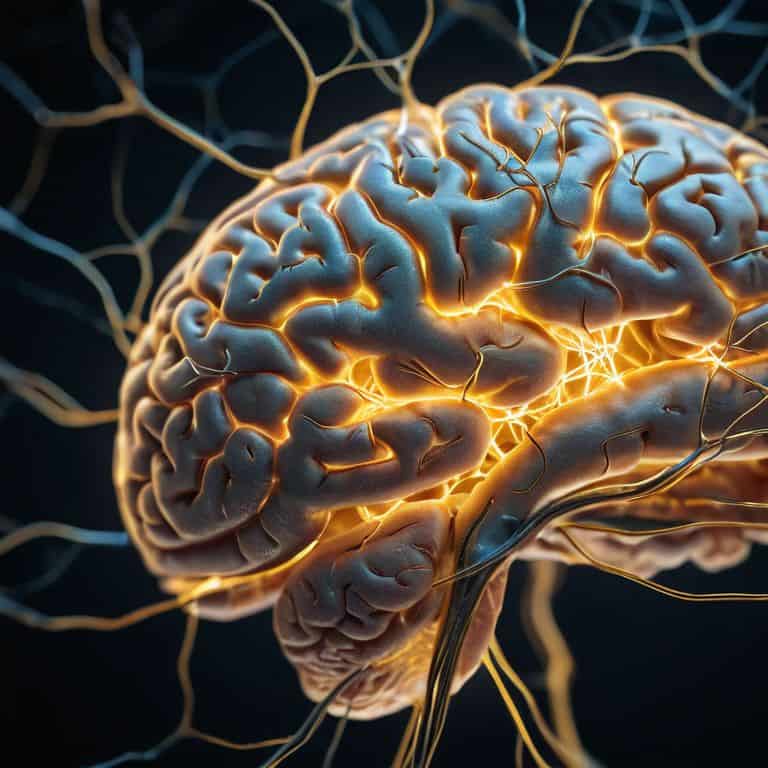
I still remember the day I decided to dive into the science of habit formation. I was overwhelmed by the numerous complicated theories and expensive courses that promised to change my life in a matter of days. But as someone who’s passionate about simplifying complexity, I couldn’t help but feel frustrated by the lack of straightforward, actionable advice. It seemed like everyone was trying to sell me a magic formula, rather than sharing genuine, experience-based insights. I knew I had to cut through the noise and find a more authentic approach to understanding how habits are formed and changed.
As a productivity consultant, I’ve worked with numerous clients who’ve struggled to make lasting changes in their lives. They’ve tried various techniques, from habit trackers to reward systems, but often end up feeling discouraged and stuck. That’s why I want to share my own story and the lessons I’ve learned about the science of habit formation. In this article, I’ll provide you with practical strategies and real-life examples that have helped me and my clients achieve our goals without sacrificing our well-being. My promise to you is that I’ll keep it real, avoid the hype, and focus on sharing actionable advice that you can apply to your own life, starting today.
Table of Contents
Unlocking Habit Formation
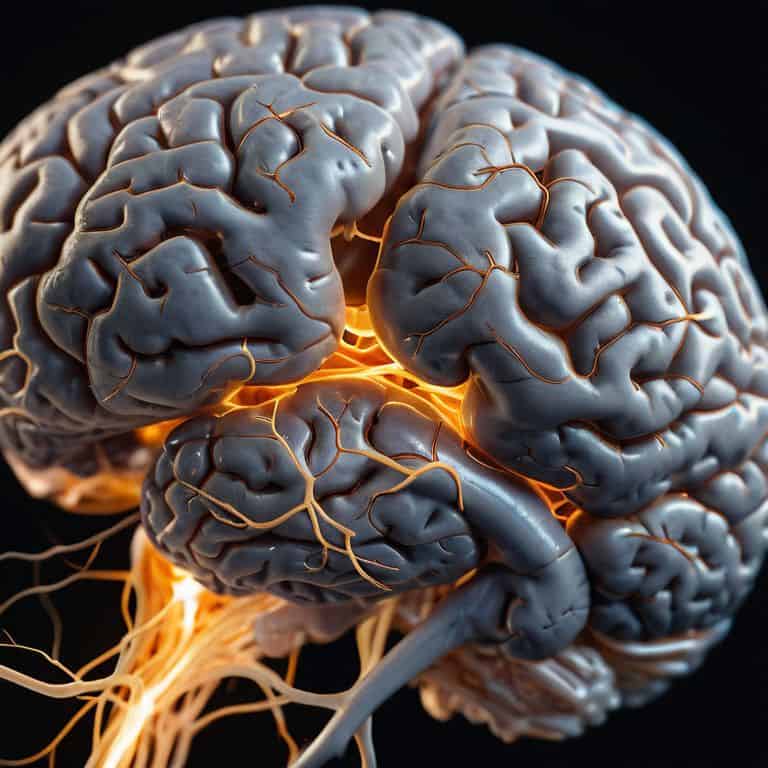
To truly understand how habits are formed, we need to dive into the neural basis of habits. Our brains are wired to respond to certain cues, which then trigger a routine or behavior, followed by a reward. This habit loop theory is essential to grasping why we do what we do. By recognizing the cues and rewards associated with our habits, we can begin to make changes.
The role of dopamine in habits is also crucial, as it’s the neurotransmitter responsible for motivation and pleasure. When we perform a habit, our brain releases dopamine, reinforcing the behavior. This is why behavioral change techniques often focus on replacing old habits with new ones, rather than trying to eliminate them entirely. By leveraging the power of dopamine, we can create new habits that bring us joy and fulfillment.
As we explore habit formation strategies, it’s essential to remember that everyone is unique. What works for one person may not work for another. That’s why it’s crucial to experiment and find the approaches that work best for us. By combining habit formation psychology with a willingness to try new things, we can unlock the secrets of habit formation and start building the habits that will help us achieve our goals.
Habit Loop Theory Explained
As I delve into the habit loop theory, I find it fascinating how our brains are wired to respond to cues that trigger automatic behaviors. This theory, pioneered by Charles Duhigg, suggests that habits consist of a cue, a routine, and a reward. By understanding these components, we can begin to unravel the mystery behind our habitual behaviors.
The habit loop theory is rooted in the idea that our habits are highly contextual, meaning they are often linked to specific environments or situations. By recognizing these contextual cues, we can start to make conscious changes to our routines, ultimately leading to more productive and fulfilling habits.
Role of Dopamine in Habits
As we delve into the intricacies of habit formation, it’s essential to understand the neurochemical triggers that drive our behaviors. Dopamine, often referred to as the “feel-good” hormone, plays a significant role in this process. It’s released when we experience pleasure or achieve something, reinforcing the behavior and motivating us to repeat it.
The release of dopamine creates a positive feedback loop, where our brains associate the behavior with a sense of satisfaction, encouraging us to continue the habit. This loop is crucial in understanding how habits are formed and sustained, and how we can leverage it to create positive, lasting changes in our lives.
Mastering Science of Habit Formation

As I delve into the world of habit formation psychology, I’ve come to realize that understanding the underlying principles is key to making lasting changes. By recognizing the _neural basis of habits_, we can begin to dismantle and rebuild our routines, replacing unhealthy patterns with more productive ones. This process involves a deep understanding of the _habit loop theory_, which I’ve found to be a powerful tool in my own quest for efficiency.
In my experience, behavioral change techniques can be incredibly effective when applied correctly. By identifying the cues and rewards that drive our habits, we can begin to make subtle shifts that add up over time. For instance, I’ve found that using certain productivity apps can help me stay on track and _reinforce positive habits_. By leveraging these tools and strategies, we can tap into the role of dopamine in habits and harness its power to drive motivation and focus.
As we work to master the art of habit formation, it’s essential to remember that _small wins_ can add up quickly. By focusing on habit formation strategies that work for us as individuals, we can create a foundation for lasting change. Whether it’s through mindfulness practices, like my favorite origami hobby, or simply finding joy in the process, we can cultivate a sense of fulfillment and purpose that drives us to continue growing and improving.
Behavioral Change Techniques Applied
As I delve into the practical applications of habit formation, I’ve found that behavioral change techniques can be a powerful catalyst for transformation. By understanding how our brains respond to different stimuli, we can begin to craft strategies that support our goals, rather than hindering them. This might involve something as simple as altering our environment to reduce distractions or as complex as reprogramming our subconscious mind to respond more positively to challenges.
One key strategy I’ve found particularly effective is the use of implementation intentions, which involves specifying when and where we will perform a particular task. By doing so, we can bridge the gap between intention and action, making it more likely that we’ll follow through on our commitments and ultimately achieve our objectives.
Neural Basis of Habits Revealed
As we dive deeper into the world of habits, it’s essential to understand the neural pathways that drive our behavior. The brain’s ability to rewire itself, also known as neuroplasticity, plays a crucial role in habit formation. By understanding how our brain processes habits, we can begin to optimize our daily routines for maximum efficiency.
The neural basis of habits is rooted in the brain’s tendency to conserve energy, which is why we often find ourselves sticking to familiar patterns. By leveraging this knowledge, we can start to make subtle changes to our habits, ultimately leading to significant improvements in our productivity and overall well-being.
5 Essential Tips to Unlock the Power of Habit Formation
- Start small: when forming new habits, it’s crucial to begin with manageable, achievable goals that set you up for success, rather than trying to overhaul your entire routine at once
- Track your progress: leveraging journaling, apps, or spreadsheets to monitor your habits can provide invaluable insights into your patterns and help you identify areas for improvement
- Create an environment that supports your goals: by eliminating distractions and optimizing your workspace, you can significantly enhance your ability to focus and stick to your newly formed habits
- Celebrate milestones: acknowledging and rewarding yourself for reaching habit formation milestones can be a powerful motivator, helping to reinforce positive behaviors and encourage continued growth
- Be patient and persistent: habit formation is a process that takes time, and it’s essential to be kind to yourself when encountering setbacks, using them as opportunities to learn and refine your approach rather than getting discouraged
Key Takeaways to Transform Your Productivity
By understanding the habit loop theory and the role of dopamine, you can design strategies to replace old habits with new, more productive ones, leading to significant improvements in your daily life
Mastering the science of habit formation involves not just knowing the neural basis of habits, but also applying behavioral change techniques that help in creating lasting changes, such as starting small and being consistent
Ultimately, the goal is to unlock a flow state where habits become automatic, freeing your mental energy to focus on creative and high-impact tasks, and by incorporating mindfulness practices like origami, you can cultivate the patience and focus needed to achieve this state
Unlocking the Power of Habits
The science of habit formation isn’t just about understanding how our brains work, it’s about harnessing that knowledge to create a life of intention and purpose, where every action counts and every habit brings us closer to our dreams.
Avery Mitchell
From Theory to Practice: Empowering Your Habit Formation Journey

As we’ve explored the science of habit formation, it’s clear that understanding the habit loop theory and the role of dopamine is crucial for making lasting changes. By grasping the neural basis of habits and applying behavioral change techniques, we can unlock the full potential of our daily routines. Whether it’s using productivity apps or designing a mindful environment, the key is to find a balance that works for you, allowing you to supercharge your day with intentional habits.
So, as you embark on your own journey of habit formation, remember that small, consistent changes can lead to profound impacts on your well-being and productivity. Don’t be too hard on yourself when you slip up – simply acknowledge the setback and get back on track. With patience, persistence, and the right strategies, you can transform your life, one habit at a time, and discover a more fulfilling flow in your daily life.
Frequently Asked Questions
How can I apply the habit loop theory to break a bad habit and replace it with a good one?
To break a bad habit and replace it with a good one, I recommend identifying the cue and reward associated with the bad habit. Then, substitute a healthier behavior that still satisfies the reward, essentially rewriting the habit loop. For example, if you always reach for your phone when bored, try replacing that with a few minutes of origami to calm your mind and satisfy your craving for a rewarding activity.
What role does dopamine play in motivating me to stick to new habits?
Dopamine is a game-changer when it comes to forming new habits. It’s the neurotransmitter that drives motivation and pleasure, rewarding us for repeating behaviors. When we perform a new habit, our brain releases dopamine, creating a feeling of satisfaction and encouraging us to repeat the action, helping us stick to it.
Are there any specific behavioral change techniques that can help me overcome obstacles and maintain consistent progress in forming new habits?
To overcome obstacles and maintain progress, I recommend techniques like implementation intentions, where you plan out specific actions for challenging situations, and habit stacking, which involves building new habits onto existing ones, making it easier to stay on track and adapt to changes.