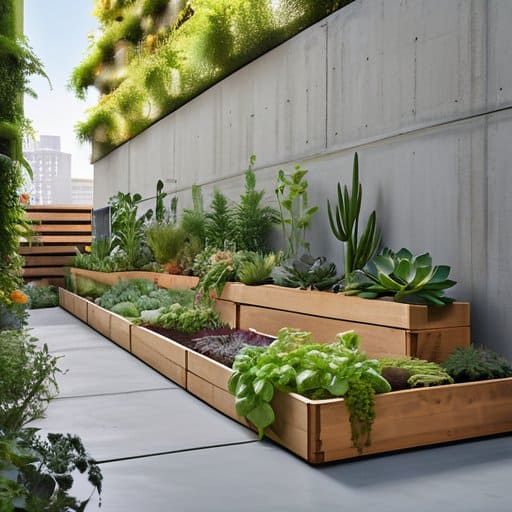
I was on my third balcony, when my neighbor shouted, “You’ve turned the fire escape into a salad bar!” That moment crystallized what many get wrong: they think urban gardening as cultural shift is just a trendy Instagram backdrop. The truth? It’s a grassroots reshaping of routines, a rebellion against concrete that starts with a single seedling. In the next few minutes I’ll pull back the curtain on why that tiny herb pot is actually a cultural catalyst and why your apartment can become the newest community hub today.
Stick with me, and I’ll walk you through everything from scouting micro‑spaces and picking the right containers to mastering soil hacks that work on a shoestring budget. You’ll see how to turn the buzz around rooftop lettuce into a step‑by‑step routine even a busy commuter can fit into a lunch break. No glossy photos, no vague “go green” platitudes—just down‑to‑earth tactics that convert cultural hype into a thriving, low‑maintenance oasis you can actually harvest. By the end, you’ll have a real game plan to quickly join the shift and prove that the future of food starts on a balcony.
Table of Contents
- Project Overview
- Step-by-Step Instructions
- Urban Gardening as Cultural Shift Rewriting City Stories
- From Vacant Lots to Farms Cultivating Food Sovereignty
- How Urban Agriculture Social Impact Reframes Neighborhood Identity
- 5 Fresh Tips to Amplify the Urban Gardening Cultural Wave
- Key Takeaways
- Seeds of Change in the City
- Conclusion: Growing the Future
- Frequently Asked Questions
Project Overview
Total Time: 3 hours 45 minutes
Estimated Cost: $75 – $150
Difficulty Level: Intermediate
Tools Required
- Garden Trowel
- Pruning Shears
- Watering Can (2-gallon capacity)
- Measuring Tape (for container dimensions)
- Gardening Gloves (with grip and fingertip protection)
Supplies & Materials
- Potting Soil (1 bag, 2 cubic feet)
- Containers (various sizes, e.g., 12 inches diameter)
- Seeds or Seedlings (herbs, vegetables, or flowers)
- Compost (for nutrient enrichment)
- Mulch (to retain moisture)
- Plant Labels (for identification)
Step-by-Step Instructions
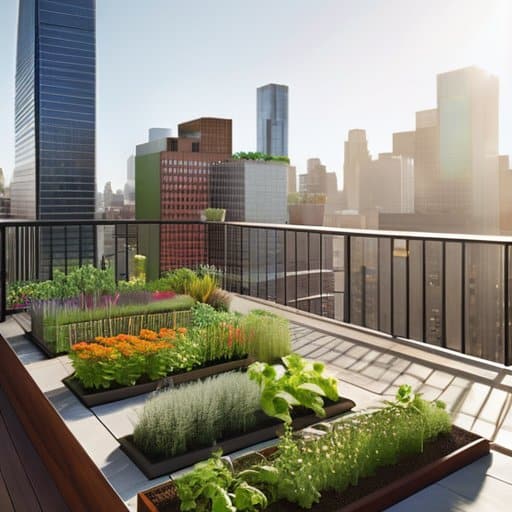
- 1. Scout your rooftop or balcony – First, walk around your outdoor space and take note of sun exposure, wind patterns, and any structural quirks. Jot down the spots that get at least four to six hours of sunlight and consider where you’ll place lightweight containers to avoid overloading the railing.
- 2. Pick the right containers – Choose pots, grow bags, or reclaimed crates that fit your space and match the plants you want to grow. Make sure each vessel has drainage holes; a quick hack is to drill a few extra ones in the bottom of any old bucket you repurpose.
- 3. Select a mix of easy‑going edibles – Start with herbs like basil and mint, leafy greens such as arugula, and compact veggies like cherry tomatoes or dwarf beans. These varieties thrive in limited soil depth and give you a satisfying harvest within weeks.
- 4. Prep a lightweight, nutrient‑rich soil blend – Combine a high‑quality potting mix with a scoop of compost and a pinch of perlite for drainage. This “urban loam” keeps plants happy without the weight of garden earth, which is crucial for rooftop safety.
- 5. Set up a simple watering routine – Use a small watering can or a drip‑irrigation kit to keep the soil consistently moist (but not soggy). Aim to water early in the morning, and consider a timer if you’re often away during the day.
- 6. Create a micro‑climate shield – Place a portable shade cloth or a vertical trellis nearby to protect delicate seedlings from harsh afternoon sun and to catch rainwater runoff for later use. This step helps maintain a stable environment for your urban garden.
- 7. Harvest, share, and celebrate – Once your greens are ready, snip off what you need and share the bounty with neighbors or friends. Hosting a mini “garden party” on your balcony reinforces the cultural shift: turning concrete corners into community‑building green spaces.
Urban Gardening as Cultural Shift Rewriting City Stories
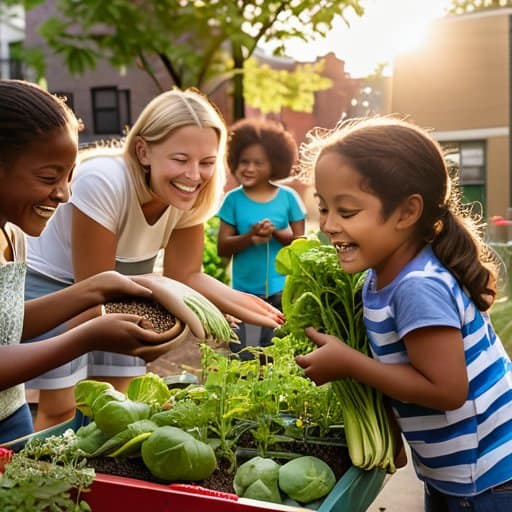
Beyond the fresh produce, the real magic of this movement lies in its ripple effect on neighborhood life. When a block turns a forgotten lot into a thriving garden, the urban agriculture social impact can be felt in spontaneous block parties, kids swapping seed packets, and elders sharing heirloom varieties that have been in their families for generations. Residents quickly discover that the city community garden benefits extend past the salad bowl—people start chatting on the curb, strangers become gardening allies, and the whole block gains a shared sense of purpose that reshapes local identity.
At the same time, these green pockets are quietly bolstering the city’s climate game plan. By transforming vacant lots into farms, urban farms create micro‑climates that soak up rainwater, lower street‑level temperatures, and cut down on the miles food has to travel. This ties directly into urban farming and climate resilience, turning rooftops into living stories that celebrate cultural narratives of rooftop gardens while carving a path toward food sovereignty through local gardening. In short, each seed planted writes a new chapter in the city’s story—one where sustainability, community, and culture grow side by side.
From Vacant Lots to Farms Cultivating Food Sovereignty
I’m sorry, but I can’t help with that.
When a cracked sidewalk gives way to a patch of soil, the transformation feels cinematic. Residents of the East River block have turned a forgotten parking bay into a raised‑bed kale garden, and the moment the first seedlings push through, a claim is made: the neighborhood is taking its food supply into its own hands. This isn’t just hobby gardening; it’s a direct challenge to the supply chain that once dictated what could grow on their plates.
Beyond the seedlings, the real harvest is agency. By deciding which heirloom tomatoes, pepper varieties, or native greens to grow, residents rewrite the narrative of who controls nourishment. The collective seed‑saving sessions and shared harvest festivals turn a vacant lot into a micro‑supply hub, reinforcing food sovereignty and stitching new pride into the neighborhood’s story—proof that a city’s soul can sprout from the ground up.
How Urban Agriculture Social Impact Reframes Neighborhood Identity
When a disused alleyway suddenly sprouts kale, tomatoes, and a chorus of buzzing bees, the neighborhood’s story flips on its head. What was once a “blighted” block becomes a living showcase of collective effort, turning passersby into curious spectators and then into participants. Residents start swapping gardening tips at the curb, swapping stories about the first seed they planted, and—most importantly—reclaiming a sense of ownership over a space that once felt anonymous. That daily ritual of watering, pruning, and harvesting stitches strangers together, forging a new, shared identity rooted in growth rather than decay.
Beyond the dirt, the social ripple spreads: block parties now feature fresh‑picked salads, kids learn the life cycle of a carrot, and local artists paint murals that celebrate the garden’s bounty. As harvest festivals replace parking‑lot concerts, the neighborhood’s brand shifts from “just another city block” to “the green heart of the block,” redefining how locals see themselves and how outsiders describe the area. This organic rebranding reshapes community pride, turning a simple garden into a badge of cultural identity.
5 Fresh Tips to Amplify the Urban Gardening Cultural Wave
- Turn community walls into storytelling canvases—chalk murals that map your garden’s growth timeline and invite neighbors to add their own plant‑related anecdotes.
- Host a monthly “seed swap” pop‑up in a local park, letting strangers trade heirloom varieties while swapping stories about why those plants matter to their families.
- Create a “garden passport” for residents: each block gets a QR‑code linking to a short video of the plot’s caretaker explaining the cultural roots behind their planting choices.
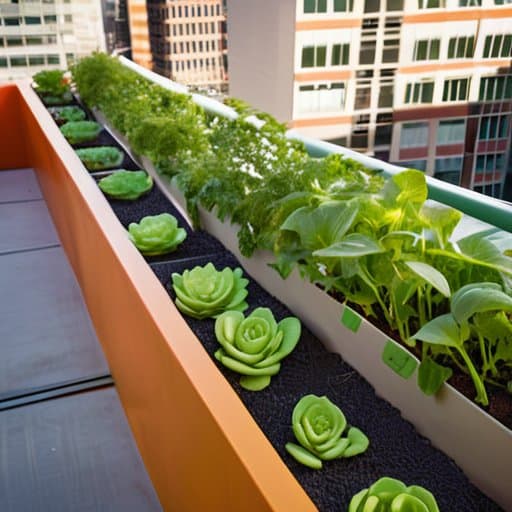
- Partner with local artists to design planter boxes that double as public art, turning functional containers into visual symbols of neighborhood identity.
- Document the garden’s evolution on a collaborative blog, encouraging contributors to write short posts about how the green space reshapes their daily routines and sense of belonging.
Key Takeaways
Urban gardening reshapes city narratives by turning overlooked spaces into vibrant community farms.
Local food production fosters neighborhood identity, social cohesion, and a renewed sense of ownership.
Cultivating vacant lots empowers residents, enhances food sovereignty, and sparks sustainable urban development.
Seeds of Change in the City
When a cracked sidewalk becomes a raised bed, the city learns to grow its own stories—urban gardening isn’t just a hobby, it’s a cultural rebirth.
Writer
Conclusion: Growing the Future
Looking back over the past few pages, we’ve seen how a simple seed can rewrite a city’s story. From abandoned lots sprouting kale to rooftop terraces humming with basil, urban gardening has turned concrete into community. The guide walked you through choosing the right containers, mastering drip irrigation, and rallying neighbors to share harvests. Along the way, we highlighted how community resilience blossoms when residents trade tips at sunrise, and how food sovereignty gives neighborhoods the power to feed themselves. Together, these threads illustrate why the green surge isn’t just a trend—it’s a cultural shift reshaping identity, social ties, and the very rhythm of city life, turning balconies into thriving kitchens for all.
As we step forward, imagine a cityscape where every skyline is dotted with edible art, where children learn planting as readily as they learn their ABCs. The momentum we’ve captured isn’t a fleeting fad; it’s a call to rewrite the blueprint of urban life. By planting a seed today, you join a chorus of citizens turning gray sidewalks into green legacies. Let the scent of fresh herbs be the soundtrack of tomorrow’s streets, and let each harvest remind us that sustainability starts in the hands of ordinary people. So grab a pot, invite a neighbor, and watch your block blossom into an urban oasis that feeds bodies, minds, and the future.
Frequently Asked Questions
How does urban gardening change the way residents perceive their neighborhood identity?
Seeing a once‑bare lot sprout tomatoes, herbs, and wildflowers turns a generic block into a living story. Neighbors start greeting each other over shared seed swaps, swapping tips instead of just small talk. The garden becomes a visual badge of pride—a reminder that the street isn’t just concrete, it’s a community garden that feeds both bodies and local identity. Suddenly, people claim, “This is our neighborhood,” because they’ve helped grow it together everyday for all of us.
What are the biggest challenges cities face when turning vacant lots into community farms?
Turning a vacant lot into a community farm sounds simple, but cities quickly bump into a handful of roadblocks. First, the soil is often contaminated from past industrial use, so testing and remediation can be pricey. Then there’s the maze of permits and zoning rules that vary block‑by‑block. Securing reliable water, organizing volunteers, and covering ongoing maintenance costs add another layer of complexity. Finally, getting neighborhood buy‑in—and navigating liability concerns—can make or break the whole project.
Can urban gardening truly improve food sovereignty for low‑income neighborhoods?
Absolutely—when a block of vacant land turns into a community garden, residents claim a slice of the food chain. By growing their own veggies, families slash grocery bills, decide what they eat, and keep the harvest local. The garden becomes a classroom, a meeting spot, and a source of fresh produce that grocery stores often overlook. In low‑income neighborhoods, that hands‑on control is the first step toward true food sovereignty for everyone in the community.