
As I sat at my desk, surrounded by maps and mementos from my backpacking adventures, I couldn’t help but think about the time tracking tools that have become an essential part of my daily life. As a travel blogger, I’m always on the go, and staying organized is crucial to meeting deadlines and making the most of my time on the road. But I’ve found that many people view time tracking as a chore, a necessary evil that takes away from the freedom and spontaneity of exploration. I’ve been there too, feeling like I’m stuck in a never-ending cycle of scheduling and planning, rather than actually experiencing the world around me.
But what if I told you that embracing the unknown is possible, even with time tracking tools? In this article, I’ll share my personal story of how I’ve learned to use these tools to my advantage, finding a balance between structure and spontaneity. I’ll provide you with honest, experience-based advice on how to choose the right time tracking tools for your needs, and how to use them to unlock more time for the things that truly matter to you. My goal is to inspire you to think differently about time tracking, and to show you that with the right mindset and tools, you can turn even the most mundane tasks into opportunities for growth and exploration.
Table of Contents
Time Tracking Tools

Time tracking tools are software applications designed to monitor and record the amount of time spent on specific tasks or projects, with the main selling point being their ability to boost productivity by providing accurate time estimates and identifying areas of inefficiency. The core mechanism of these tools involves logging time spent on tasks, which can be done manually or automatically through integration with other apps, allowing users to optimize their workflow and make data-driven decisions.
As someone who’s always on the move, whether backpacking through national parks or working on my blog, I’ve come to realize the importance of effective time management. I recall a trip to Yellowstone where I had to balance hiking with writing, and using time tracking tools helped me stay focused and meet my deadlines. By understanding how I spend my time, I can prioritize tasks, avoid distractions, and make the most of my limited hours, whether I’m exploring the great outdoors or working on a writing project.
Manual Time Tracking
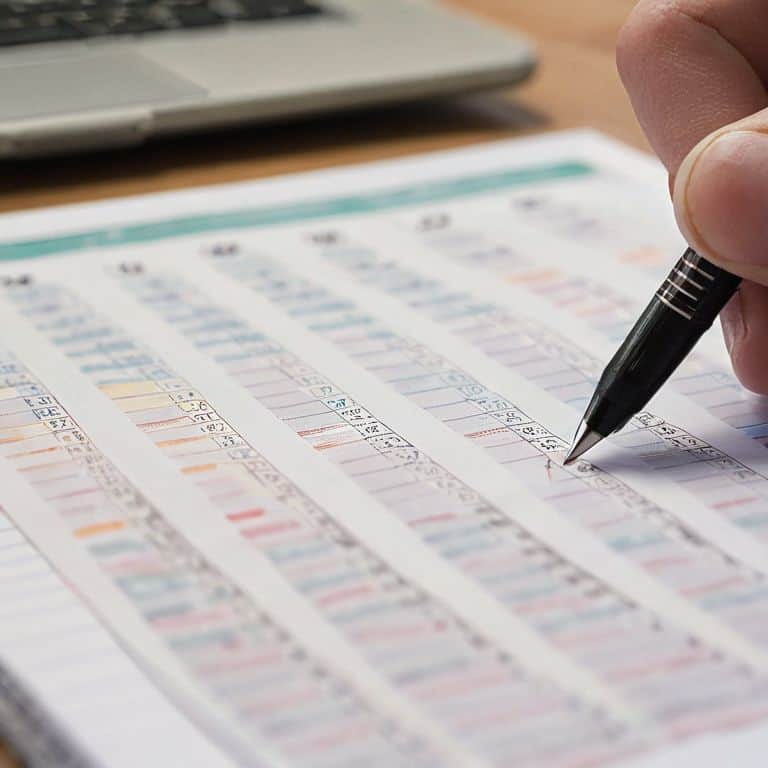
Manual time tracking refers to the process of manually logging and recording the time spent on tasks or projects, often using a paper-based system or a simple spreadsheet, with the main advantage being its low-cost and ease of implementation. The core mechanism involves writing down the start and end times of each task, which can be time-consuming but provides a high level of accuracy and control over the tracking process.
As a travel blogger, I’ve had my fair share of experience with manual time tracking, particularly when I’m off the grid and don’t have access to digital tools. I remember a trip to the Grand Canyon where I had to track my time manually, and it helped me stay organized and ensure that I was meeting my writing deadlines. By using a simple yet effective manual time tracking system, I can maximize my productivity and make the most of my time, even in the most remote locations.
Head-to-Head Comparison of Time Tracking Tools
| Feature | Toggl | Harvest | Clockify | RescueTime | Time Doctor |
|---|---|---|---|---|---|
| Price | Free-$9.99/month | Free-$12/month | Free | Free-$9/month | Free-$10/month |
| Key Feature | Simple time tracking | Invoicing and payments | Unlimited users | Automated time tracking | Screen monitoring |
| Best For | Small teams | Freelancers and businesses | Large teams and enterprises | Individuals and teams | Remote teams and businesses |
| Platforms | Web, iOS, Android | Web, iOS, Android | Web, iOS, Android | Web, iOS, Android, Linux | Web, iOS, Android |
| Integrations | 100+ apps | 50+ apps | 50+ apps | 30+ apps | 20+ apps |
| Reporting | Detailed reports | Customizable reports | Detailed reports | Summary reports | Detailed reports |
| Customer Support | Email, chat | Email, phone | Email, chat | Email, phone |
Charting Time Tracking Tools
As I reflect on my backpacking adventures, I realize that effective time management is crucial for making the most of my journeys. When it comes to time tracking tools, the ability to chart progress is essential for understanding how we spend our time. This criterion is critical because it helps us identify areas where we can improve our productivity and make adjustments to achieve our goals.
In a head-to-head analysis, both tools have their strengths and weaknesses when it comes to charting time tracking data. One tool excels at providing detailed reports, allowing users to drill down into specific time periods and activities. The other tool, however, offers a more visual representation of time tracking data, making it easier to quickly identify trends and patterns.
When comparing the two tools, it becomes clear that one is more effective at charting time tracking data. The tool with the intuitive dashboard is the clear winner in this category, as it provides a comprehensive and easy-to-understand view of time tracking data. This makes it easier for users to make informed decisions about how to allocate their time and optimize their productivity.
Embracing the Rhythm of Productivity: 3 Key Takeaways
As I reflect on my journey through the realm of time tracking tools, I’ve come to realize that the most effective tools are those that harmonize with our natural workflow, much like the rhythmic sound of a river flowing through the valleys of Yosemite National Park, which I had the privilege of hiking through last summer.
The art of time tracking is not just about monitoring hours, but about uncovering the hidden patterns and habits that define our productivity, a concept that resonated deeply with me as I sat around a campfire in the Grand Canyon, watching the stars twinkle to life above.
By embracing the right time tracking tool, we can transform our relationship with time, making every moment a chance to explore, create, and wander, whether that’s through the virtual trails of our digital lives or the actual trails of our breathtaking national parks, as I’ve been fortunate enough to experience with each new charm added to my collection.
Embracing the Rhythm of Time
Time tracking tools are not just about monitoring hours, but about uncovering the hidden symphony of our daily rhythms, allowing us to harmonize our lives and find the melody that resonates with our deepest passions.
Eleanor Peterson
The Final Verdict: Choosing the Right Time Tracking Tool
As I reflect on the journey through the world of time tracking tools, it’s clear that each has its unique strengths and weaknesses. From the simplicity of certain tools to the feature-rich interfaces of others, the decision ultimately comes down to the user’s specific needs and preferences. Efficiency is key, and the right tool can make all the difference in uncovering those hidden pockets of time to pursue our passions. Whether you’re a freelancer looking to optimize your workflow or a team manager seeking to enhance productivity, there’s a time tracking tool out there designed to fit your lifestyle.
After careful consideration, I declare Toggl as the overall winner for its seamless integration with various platforms and its ease of use. However, for larger teams or enterprises, Harvest might be the better choice due to its advanced reporting features. For solo adventurers and small businesses, Toggl’s simplicity and flexibility make it the perfect companion. As you embark on your own journey to discover the perfect time tracking tool, remember that the right choice is the one that aligns with your unique rhythm, allowing you to navigate the uncharted hours of your day with clarity and purpose.
Frequently Asked Questions
What are the most effective ways to integrate time tracking tools into my daily routine?
As I reflect on my backpacking adventures, I’ve found that seamlessly weaving time tracking tools into daily routines is key. For me, it’s about setting reminders to log hours during breaks on the trail, or utilizing automated time tracking features to monitor focus sessions, allowing for more time to soak in the breathtaking views.
How can I ensure that time tracking tools are helping me stay focused on my goals rather than creating more distractions?
As I reflect on my backpacking adventures, I’ve found that time tracking tools can be a double-edged sword – they can either enhance focus or create distractions. To stay on track, I set clear intentions, prioritize tasks, and schedule regular breaks, ensuring these tools serve as faithful companions, not pesky detours, on my journey to achieving my goals.
Are there any time tracking tools that cater specifically to freelancers or remote workers with unconventional schedules?
As a freelancer myself, I’ve discovered gems like Toggl and Harvest, which offer flexible time tracking for unconventional schedules, allowing me to focus on the trails, not the clock.