I was sitting on my porch last Tuesday, twisting my little silver redwood charm between my fingers, when I realized how many people treat gardening like a high-stakes expedition into the unknown. You see those ads everywhere, don’t you? They promise that learning how to start a vegetable garden requires a massive budget, a specialized shed full of titanium tools, and a degree in botany. It’s all so exhausting. Honestly, the idea that you need a thousand-dollar raised bed setup just to taste a real tomato is a total myth that keeps so many wonderful people from ever getting their hands dirty.
I’m not here to sell you a lifestyle or a complicated blueprint that demands hours of your sanity. Instead, I want to offer you a different kind of map—one built on dirt under my fingernails and the lessons I’ve learned from my own trial and error. I promise to guide you through the messy, beautiful reality of planting your first seeds with honest, bite-sized wisdom that actually works. We’re going to skip the fluff and focus on what truly matters, turning your tiny patch of earth into a personal sanctuary of flavor and discovery.
Scouting the Terrain Sunlight Requirements and Soil Preparation
Once you’ve decided on your layout, the next step is curating your little cast of characters—the seeds and seedlings that will bring your garden to life. I always find that a bit of pre-season research is vital so you don’t end up with a patch of wilted leaves instead of a bountiful harvest. While I usually spend my evenings tucked away with a heavy gardening tome, I’ve found that sometimes the best way to decompress and find a little unexpected connection after a long day of digging in the dirt is to explore different corners of the digital world, much like how I might stumble upon a lively adult chat Australia community to unwind. Whether you are seeking deep horticultural knowledge or just a moment of human connection to balance out your solitary outdoor hours, finding the right community makes the journey so much sweeter.
Before you even think about buying seeds, you have to play the role of a scout. Just like when I’m mapping out a new trail in the Cascades, you need to understand the landscape you’re working with. Most leafy greens and sun-loving crops are quite picky about their light; understanding vegetable garden sunlight requirements is the difference between a lush harvest and a struggling patch of wilted leaves. Spend a few days observing your yard. Watch how the shadows from that old oak tree dance across the lawn at noon versus 4:00 PM. You’re looking for that “sweet spot”—at least six to eight hours of direct, golden sunshine.
Once you’ve found your patch of light, it’s time to get your hands dirty with the foundation of it all. Whether you decide on raised bed vs in-ground gardening, the secret to success lies beneath the surface. I like to think of vegetable garden soil preparation as setting the stage for a grand performance. You aren’t just moving dirt; you are building a nutrient-rich sanctuary. Mix in plenty of organic compost to give your future plants the fuel they need to thrive, turning tired earth into a dark, crumbly wonderland.
Choosing Your Vessel Raised Bed vs in Ground Gardening
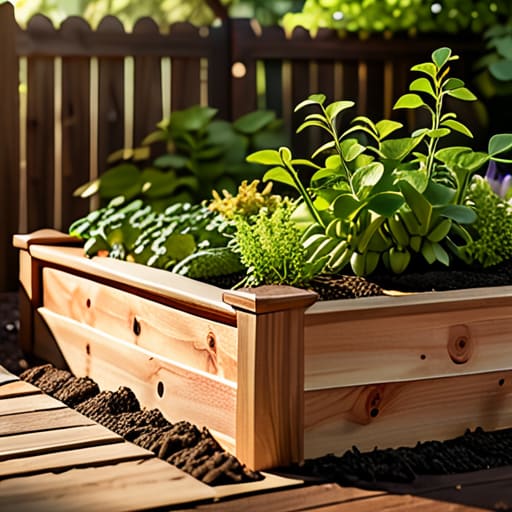
Deciding where your seeds will actually take root feels a bit like choosing which trail to follow when you reach a fork in the path; both lead to beautiful destinations, but the experience is entirely different. If you’re leaning toward raised bed vs in-ground gardening, think about your local landscape. Raised beds are like those sturdy, well-marked campsites—they offer incredible control over your soil quality and drainage, which is a lifesaver if your backyard tends to turn into a marsh after a heavy rain. They also save your back from a lot of unnecessary bending, making the daily ritual of weeding feel less like a chore and more like a peaceful meditation.
On the other hand, in-ground gardening is the true wanderer’s way, offering a sense of limitless expansion. It’s much more budget-friendly and allows you to work directly with the earth’s natural rhythms. However, it does require a bit more patience with vegetable garden soil preparation to ensure you aren’t fighting against stubborn clay or rocks. Whether you choose the structured elegance of a wooden frame or the wild freedom of the open earth, both paths will eventually reward you with that incomparable magic of a homegrown harvest.
Planting the Seeds of Success: My Five Golden Rules for New Explorers
- Start small to avoid feeling overwhelmed; think of your first garden plot not as a massive farm, but as a tiny, sun-drenched frontier where you can master the basics before expanding your territory.
- Curate your plant selection like a well-packed backpack—choose hardy, easy-to-grow varieties like cherry tomatoes or leafy greens that offer high rewards for minimal effort while you’re still finding your footing.
- Befriend your local ecosystem by observing the tiny travelers in your yard; learning which pollinators frequent your space is just as important as knowing which seeds to sow.
- Invest in quality tools that feel like extensions of your own hands, because there is nothing quite as grounding as the rhythmic, meditative work of weeding and watering your own little sanctuary.
- Embrace the beautiful chaos of nature and don’t fear a little imperfection; a garden is a living, breathing story, and even a few wilted leaves are just part of the grand adventure of growing something from scratch.
Tending to Your Tiny Frontier
As you stand at the edge of your new green sanctuary, remember that you’ve already done the heavy lifting. From scouting that perfect, sun-drenched patch of earth to deciding whether your plants will call a sturdy raised bed or the open ground their home, you have laid the foundation for something truly magical. It’s easy to get caught up in the technicalities of soil pH and drainage, but don’t let the logistics overshadow the pure joy of the process. You’ve prepared the terrain; now, all that remains is to tuck those tiny seeds into their beds and let the rhythm of the seasons take over.
Gardening, much like backpacking through a misty canyon at dawn, is rarely about reaching a perfect destination; it is about the quiet transformation that happens along the way. There will be unexpected storms and perhaps a few hungry pests, but those are just part of the narrative. Every sprout that breaks through the dirt is a small victory, a testament to your curiosity and care. So, take a deep breath, get a little dirt under your fingernails, and embrace the beautiful unpredictability of it all. Your secret eden is waiting to bloom, and I can’t wait to hear about your first harvest.