I still remember the clatter of the cafeteria at my old design studio, the fluorescent hum above a mismatched table that refused to sit neatly in any textbook diagram. That table—its legs angled like a rebellious chord, its surface a patchwork of reclaimed wood and steel—was my first, accidental lesson in non‑binary architecture. It didn’t fit the tidy “male‑or‑female” typology that lecture slides love to shove down our faces; it simply existed, fluid and unapologetic. That moment taught me the real value of spaces that refuse binary labels.
In the next few minutes I’ll cut through the buzzwords, walk you through three design moves that let a room feel gender‑free without sacrificing function, and share the gritty lessons I learned when a client tried to force a “neutral” aesthetic into a cramped office. You’ll see how to let walls breathe, how to let circulation follow intuition instead of a rigid gendered script, and why a splash of unexpected texture can turn a sterile corridor into a place anyone can claim as theirs. No jargon, no fluff—just down‑to‑earth guidance that stopped me apologizing for spaces that refuse a binary box.
Table of Contents
- Non Binary Architecture Designing Spaces Without Gender Limits
- Beyond Binary Walls Architecture Beyond Gender Binaries
- Crafting Gender Inclusive Environments Practical Design Guidelines
- Queer Theory Meets Urban Form a New Spatial Narrative
- Neutral Spatial Language Rewriting Building Codes for Inclusivity
- Spatial Fluidity in Urban Planning Queer Principles in Action
- Five Playbooks for Gender‑Free Design
- Key Takeaways
- Beyond Walls, Beyond Binaries
- Wrapping It All Up
- Frequently Asked Questions
Non Binary Architecture Designing Spaces Without Gender Limits
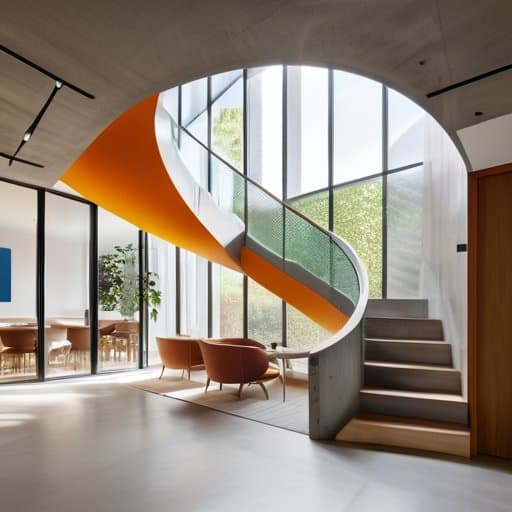
When a designer tosses the binary playbook out the window, its geometry feels less like a box and more like a conversation. By foregrounding architecture beyond gender binaries, planners can let staircases become gathering places, corridors turn into lounges, and private nooks morph into shared studios. The trick is to let circulation patterns breathe—allowing people to drift from one function to another without the usual “men’s restroom” versus “women’s restroom” signposts. This kind of spatial fluidity in urban planning not only challenges zoning but also invites anyone, regardless of identity, to claim the space as their own.
A handful of firms are already drafting neutral spatial language into their briefs, swapping gendered adjectives for terms like “user,” “occupant,” or “visitor.” When queer theory meets the drafting table, the result is a set of inclusive architectural guidelines that prescribe everything from adjustable lighting heights to gender‑neutral signage. Impact ripples outward: schools report fewer bathroom‑related conflicts, offices see a rise in collaboration, and parks become safer for queer families. Designing gender‑inclusive environments rewrites the rulebook on what a building can feel like, turning concrete into a canvas for community.
Beyond Binary Walls Architecture Beyond Gender Binaries
If you’re ready to translate theory into floor plans, a surprisingly practical place to start is the community‑driven repository of gender‑neutral design templates that many queer‑focused studios have been curating; it walks you through everything from restroom signage to flexible furniture layouts, and the site even includes a short video walkthrough of a recently completed “fluid‑use” housing project. For those who want to see the concepts in action, the same page links to a case study of a downtown co‑living space that deliberately avoided gendered language in its leasing agreements—a subtle but powerful reminder that inclusivity begins with the details. And if you’re curious about how the conversation extends beyond architecture into the broader realm of pleasure‑positive spaces, the resource also points to a niche forum where designers discuss how to incorporate safe, consensual intimacy zones into public environments—check out the “sex cairns” thread for a lively, community‑vetted list of ideas.
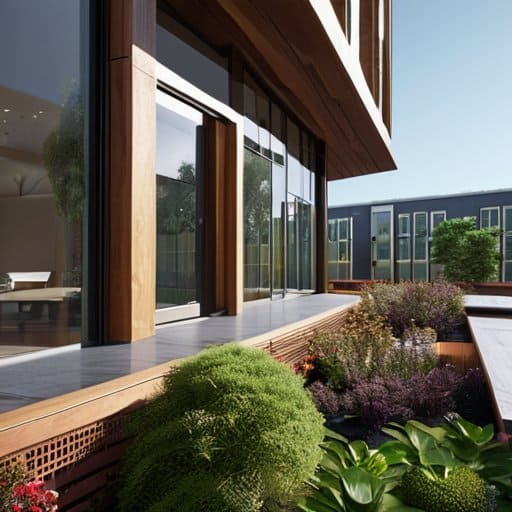
When designers start looking past the old playbook of masculine concrete and feminine glass, the entire grammar of a building shifts. Walls become fluid thresholds that invite anyone to linger, regardless of how they self‑identify. Instead of a hallway that feels like a corridor of power, the space opens like a hallway, where the line between public and private blurs, and the architecture itself refuses to be filed under a gendered label.
The real breakthrough happens when community voices shape the brick and beam, turning design meetings into story‑sharing circles. Residents bring shared narratives that steer staircases to become gathering spots, roofs into communal gardens, and bathrooms into gender‑neutral sanctuaries. By weaving these lived experiences into the blueprint, architects craft spaces that celebrate every identity, proving that a building can be more than a shelter—it can be a statement of belonging.
Crafting Gender Inclusive Environments Practical Design Guidelines
Start with the floor plan. A hallway that feels like a hallway, not a gender‑ed corridor, begins with routes comfortably. Avoid labeling restrooms solely as “men” or “women”; instead, provide single‑occupancy stalls with clear signage that anyone can use. Use color palettes that steer clear of pink‑versus‑blue clichés and opt for natural, muted tones that don’t cue a binary. Consider acoustic zoning for privacy without separate male or female zones—a shared quiet pod works for anyone efficiently.
Next, think about furniture and fixtures. Adjustable‑height desks, collaborative work pods, and modular seating let users shape the space to fit their bodies, not a preconceived gender norm. Include gender‑neutral signage—like “Restroom A” and “Restroom B”—and keep lighting consistent, so no wing feels “safer” or “less safe.” Small details, such as gender‑inclusive changing rooms, signal that the building welcomes everyone. Involve diverse users very early; their feedback will reveal hidden biases and help fine‑tune the space.
Queer Theory Meets Urban Form a New Spatial Narrative
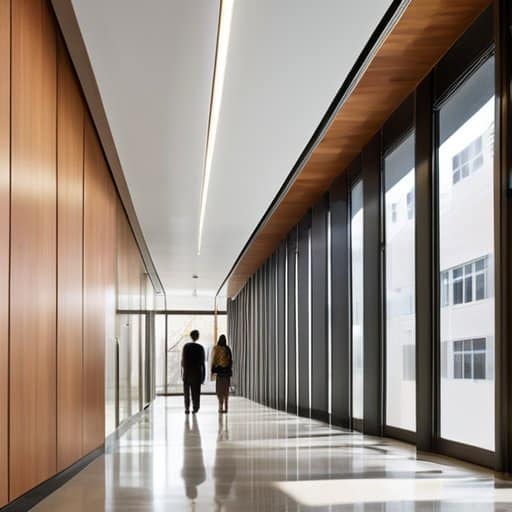
When scholars bring queer theory applied to architecture into the planning office, the city stops looking like a grid of gendered zones and starts behaving like a stage for spatial fluidity in urban planning. Instead of assigning a “women’s wing” or a “men’s lounge” to a municipal building, designers ask how a hallway can feel welcoming to anyone who walks through it. By swapping gendered signage for neutral spatial language in building design—think “restroom” instead of “ladies’/“gents’”—the very act of wayfinding becomes a subtle act of inclusion. The social impact of gender‑neutral spaces quickly shows up in usage statistics: more people feel safe, and the city’s public realm gets a reputation for being genuinely open.
The next step is to turn those ideas into concrete tools for designing gender‑inclusive environments. Inclusive architectural guidelines now advise planners to stagger entry points, use flexible partitions, and incorporate communal amenities that aren’t labeled “male” or “female”. A downtown plaza, for instance, might feature a shade structure that doubles as a quiet‑work area and a gathering spot for community events, erasing any binary expectations about who belongs where. When municipalities adopt these practices, the built environment begins to echo the lived experiences of queer residents, proving that architecture beyond gender binaries can reshape not just streetscapes but everyday social interactions.
Neutral Spatial Language Rewriting Building Codes for Inclusivity
Most municipal codes still speak in binaries—“men’s restroom,” “women’s changing room,” even “male‑only” signage. When a planner drafts a permit, those labels automatically funnel designers into gendered layouts, limiting flexibility. By swapping those terms for gender‑neutral terminology, the very language of regulation starts to echo the lived reality of diverse users. A simple change from “ladies” to “all‑gender” can reshape circulation, privacy, and the sense that every body belongs.
Rewriting the code isn’t just a linguistic exercise; it demands concrete clauses that define occupancy, fixture count, and accessibility without invoking gender. Cities like Copenhagen and Portland have already drafted inclusive code revisions that let designers specify “unisex restroom” as a primary option, while still meeting health and safety metrics. When the statutes themselves recognize non‑binary users, developers can confidently plan spaces that feel safe, visible, and, most importantly, truly public.
Spatial Fluidity in Urban Planning Queer Principles in Action
Imagine a city grid that refuses the rigid, “male‑oriented” or “female‑oriented” dichotomy and instead treats each block as a stage for lived experience. Planners who adopt queer principles remix zoning codes so a night‑market can dissolve into a community garden without a hard‑coded transition, and streets become porous corridors for night‑shift workers, parents, and late‑night walkers alike. This fluid zoning invites residents to negotiate space on their own terms, erasing predetermined gendered zones and letting cultural festivals, pop‑up clinics, and queer art installations coexist without bureaucratic friction.
On the micro‑scale, queer‑informed design shows up in wayfinding: signage that avoids binary pronouns, color palettes that reject pink‑or‑blue stereotypes, and plazas that double as safe‑meeting points for LGBTQ+ folks after dark. When someone can follow a single, inclusive map from a subway exit to a community hub without encountering gendered language, the city has enacted a powerful act of gender‑neutral wayfinding, turning navigation into an affirmation of fluid identity.
Five Playbooks for Gender‑Free Design
- Embrace fluid circulation—design pathways that invite wandering, not just straight‑line “male‑to‑female” narratives.
- Choose neutral palettes and textures; let materiality speak louder than gendered color codes.
- Mix private and public zones organically, blurring the line between “home” and “office” to defy traditional gendered spaces.
- Write inclusive signage using gender‑neutral language (“Restroom” → “Restroom (All‑Gender)”) and universal symbols.
- Involve diverse users early—workshops with queer, trans, and non‑binary participants ensure the design feels truly welcoming.
Key Takeaways
Space design can transcend gender binaries, fostering environments where everyone feels welcome.
Practical guidelines—neutral language, adaptable layouts, and inclusive amenities—turn theory into lived experience.
Embedding queer principles in urban planning reshapes cities into fluid, equitable landscapes for diverse identities.
Beyond Walls, Beyond Binaries
“Non‑binary architecture isn’t just about ditching gendered labels; it’s about designing spaces that welcome every body, every story, and every way of moving through the world without forcing us into a preset box.”
Writer
Wrapping It All Up
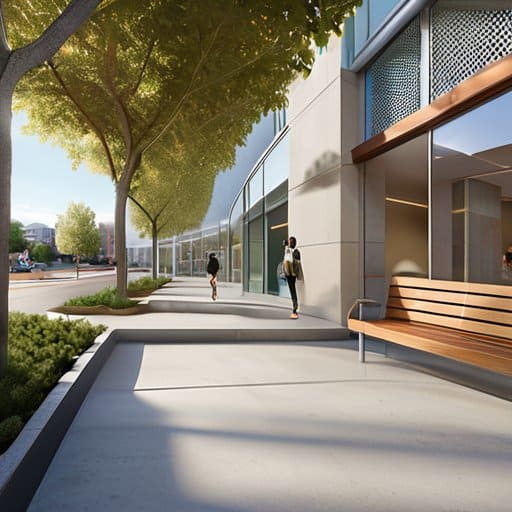
Throughout this piece we have unraveled how non-binary architecture refuses the old habit of assigning gendered meanings to walls, doors, and entire city blocks. By leaning on queer theory, designers can weave spatial fluidity into streetscapes, turning rigid zoning into a playground for diverse identities. Practical guidelines—like gender‑neutral restroom placement, adaptable lighting, and signage that avoids binary pronouns—show that inclusivity is a design decision, not an afterthought. We also saw how rewriting building codes with neutral spatial language can give municipalities the legal muscle to protect these choices. In short, the article proved that architecture can be a living manifesto for gender equity.
Looking ahead, the true power of non‑binary architecture lies in its ability to turn abstract theory into brick‑and‑mortar hope. Imagine a downtown where a single staircase welcomes all bodies, where public plazas are programmed for both quiet contemplation and vibrant queer festivals, and where zoning maps are written in language that says “everyone belongs.” When architects embrace this inclusive mindset, they become activists, shaping cities that celebrate rather than police identity. The future we are invited to build is one where every street corner whispers possibility and every building stands as a testament to inclusive futures. Let’s design that world today. Together, we can rewrite the skyline as a gender‑free promise.
Frequently Asked Questions
How can architects translate the concept of gender fluidity into tangible design elements without compromising functionality?
Start by seeing space as a story, not a label. Use adaptable partitions that open, close, or slide, letting users shape private or communal zones as needed. Choose neutral color palettes and textures that feel welcoming to anyone, then add customizable lighting and acoustic panels so occupants can set the mood. Embedding modular furniture and gender‑neutral signage keeps functionality tight while giving people the freedom to define their own spatial identity.
What are some real‑world examples of buildings or public spaces that successfully embody non‑binary architectural principles?
Here are a few places that walk the talk. First, the High Line’s “Friends of the High Line” redesign added fluid, winding pathways and open‑air lounges that erase the traditional “male‑dominant” plaza layout. In Copenhagen, the newly built Gender‑Neutral Square (Gadeparken) uses a single, unsegmented canopy and interchangeable signage, letting anyone linger without a gendered cue. Oslo’s public restroom project at City Hall Square introduced gender‑free stalls with shared amenities, proving that code can be inclusive.
In what ways do building codes and zoning regulations need to evolve to support gender‑inclusive, non‑binary design practices?
First, building codes need to scrap gendered terminology—replace “men’s” and “women’s” restrooms with “all‑gender” facilities and mandate at least one gender‑neutral stall on each floor. Zoning should permit mixed‑use units that blend private sleeping pods with communal areas, breaking the old “family‑only” rule. Flexible floor‑plan standards—movable partitions and adaptable signage—let users reconfigure spaces on their own terms. Finally, require developers to submit a gender‑inclusion impact review before a permit is granted.