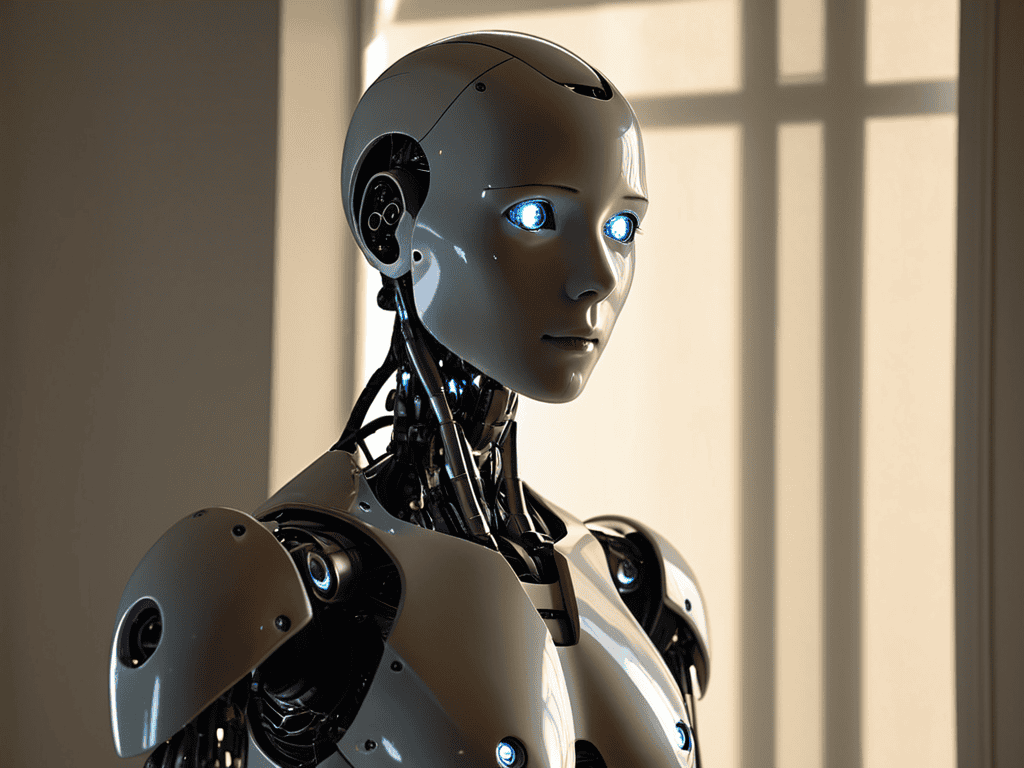
I still remember the first time I experienced the Uncanny Valley Effect. I was watching a movie with remarkably realistic animations, but there was something off about the characters. They looked almost, but not quite, like real people. It was as if they were stuck in a creepy chasm between human-like and totally artificial. This phenomenon has fascinated and unsettled me ever since. The Uncanny Valley Effect is a concept in aesthetics and psychology that describes our emotional response to human-like objects or characters that are almost, but not quite, indistinguishable from real humans.
In this article, I promise to cut through the hype and provide you with a no-nonsense understanding of the Uncanny Valley Effect. I’ll share my own experiences and insights, gained from years of exploring the intersection of technology and human perception. My goal is to give you a practical understanding of this concept, so you can apply it to your own work or simply appreciate the fascinating psychology behind it. I’ll avoid using overly complicated jargon or theoretical frameworks, focusing instead on real-world examples and everyday experiences that illustrate the Uncanny Valley Effect in action.
Table of Contents
Unveiling Uncanny Valley Effect
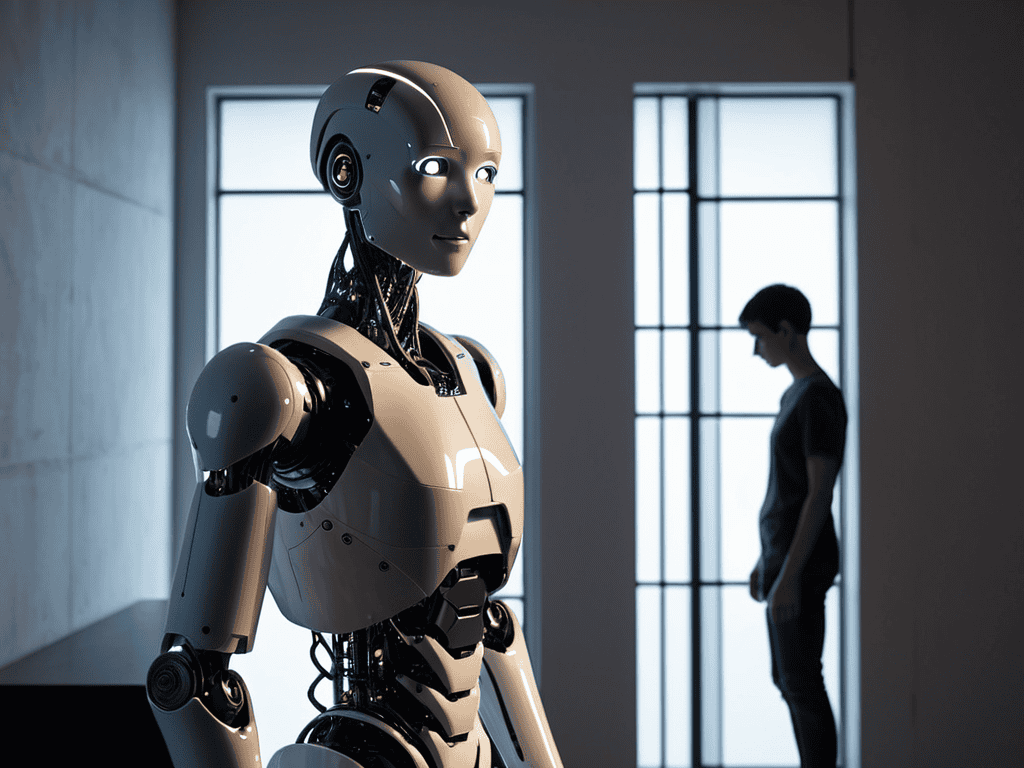
As we delve into the concept of human-like machines, it’s essential to understand the psychological effects they have on us. The uncanny valley phenomenon reveals a fascinating aspect of human perception, where our brains struggle to categorize objects or characters that are almost, but not quite, indistinguishable from real humans. This phenomenon has significant implications for human robot interaction design, as it highlights the need for a more nuanced approach to creating realistic characters.
The limitations of facial recognition technology also play a crucial role in the uncanny valley effect. When animations or robots attempt to mimic human-like expressions, but fail to do so convincingly, it can create a sense of unease or discomfort. To overcome this, developers are exploring new animation techniques for realistic characters, aiming to bridge the gap between human-like and truly human. By doing so, they hope to create more empathetic virtual assistants that can interact with humans in a more natural and intuitive way.
The future of artificial intelligence in robotics is deeply intertwined with the concept of human-like machines. As we continue to push the boundaries of what is possible, we must consider the potential designing empathetic virtual assistants that can not only perform tasks but also understand and respond to human emotions. By acknowledging the uncanny valley effect and its implications, we can create more sophisticated and human-like machines that enhance our daily lives without evoking a sense of eeriness or discomfort.
Designing Empathetic Virtual Assistants
When creating virtual assistants, designers must navigate the fine line between familiarity and eeriness. To avoid the uncanny valley effect, they should focus on crafting personalities that are relatable yet distinctly non-human. This approach allows users to form connections with the assistants without expecting human-like behavior.
By incorporating emotional intelligence, designers can make virtual assistants more empathetic and user-friendly. This involves programming the assistants to recognize and respond to emotional cues, providing a more natural and supportive interaction experience.
Facial Recognition Technology Limitations
When it comes to facial recognition technology, there are significant limitations that contribute to the uncanny valley effect. One major issue is the inability to accurately capture and replicate the subtleties of human emotion, leading to a sense of discomfort when interacting with virtual assistants.
The lack of nuance in facial recognition technology can result in misinterpretation of emotional cues, further exacerbating the uncanny valley effect. This can lead to a breakdown in user trust and engagement, highlighting the need for more advanced and sophisticated technology to overcome these limitations.
Beyond the Creepy Chasm
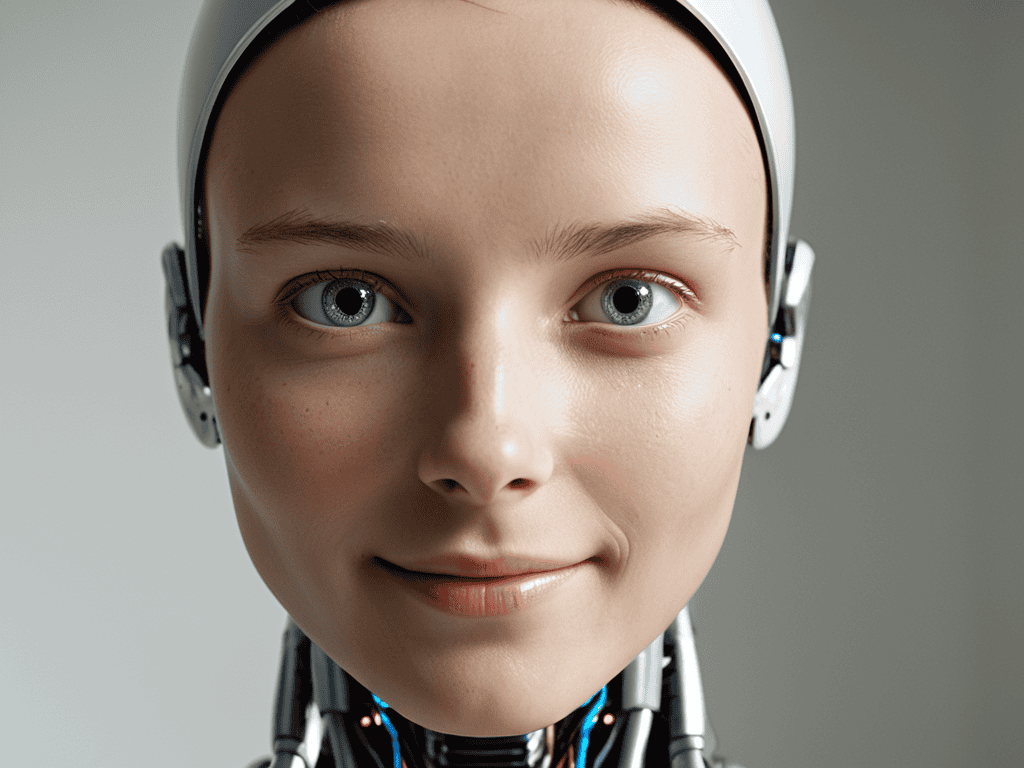
As we delve deeper into the realm of human robot interaction design, it becomes apparent that creating machines that mimic human-like behavior is a complex task. The goal is to design robots that can interact with humans in a seamless and intuitive way, but this is often hindered by the limitations of facial recognition technology. When a robot’s facial expressions are almost, but not quite, indistinguishable from those of a human, it can create a sense of unease.
The use of animation techniques for realistic characters can help to bridge this gap, making robots appear more lifelike and engaging. However, this also raises important questions about the psychological effects of humanlike machines on our society. As robots become increasingly integrated into our daily lives, it is essential to consider the potential consequences of creating machines that are almost indistinguishable from humans.
The future of artificial intelligence in robotics holds much promise, but it is crucial that we prioritize designing empathetic virtual assistants that can understand and respond to human emotions in a way that is both natural and comforting. By doing so, we can create a new generation of robots that are not only functional but also capable of forming meaningful connections with humans, ultimately helping to overcome the limitations of current human-robot interaction.
Animation Techniques for Realistic Characters
To create realistic characters, animators often employ motion capture technology, which records the movements of human actors and translates them into digital form. This technique allows for a more nuanced and lifelike performance, helping to bridge the gap between the virtual and real worlds. By capturing the subtleties of human movement, animators can craft characters that are more relatable and engaging.
Effective animation also relies on subtle expressions, which can make or break the illusion of realism. When a character’s facial movements are slightly off or overly exaggerated, it can create a sense of unease in the viewer, highlighting the importance of attention to detail in animation techniques.
Future of Artificial Intelligence in Robotics
As we venture into the uncharted territories of robotics, the integration of AI becomes increasingly crucial. This synergy has the potential to revolutionize the way we interact with machines, making them more intuitive and responsive to our needs. By leveraging AI, robots can learn from experience, adapt to new situations, and develop a sense of autonomy, enabling them to perform complex tasks with greater precision and efficiency.
The future of robotics is poised to be shaped by the convergence of technologies, where AI, machine learning, and sensorimotor systems come together to create more sophisticated and human-like machines. This will lead to significant advancements in areas like healthcare, manufacturing, and transportation, where robots can assist and augment human capabilities, ultimately transforming the way we live and work.
Bridging the Gap: 5 Key Tips to Overcome the Uncanny Valley Effect
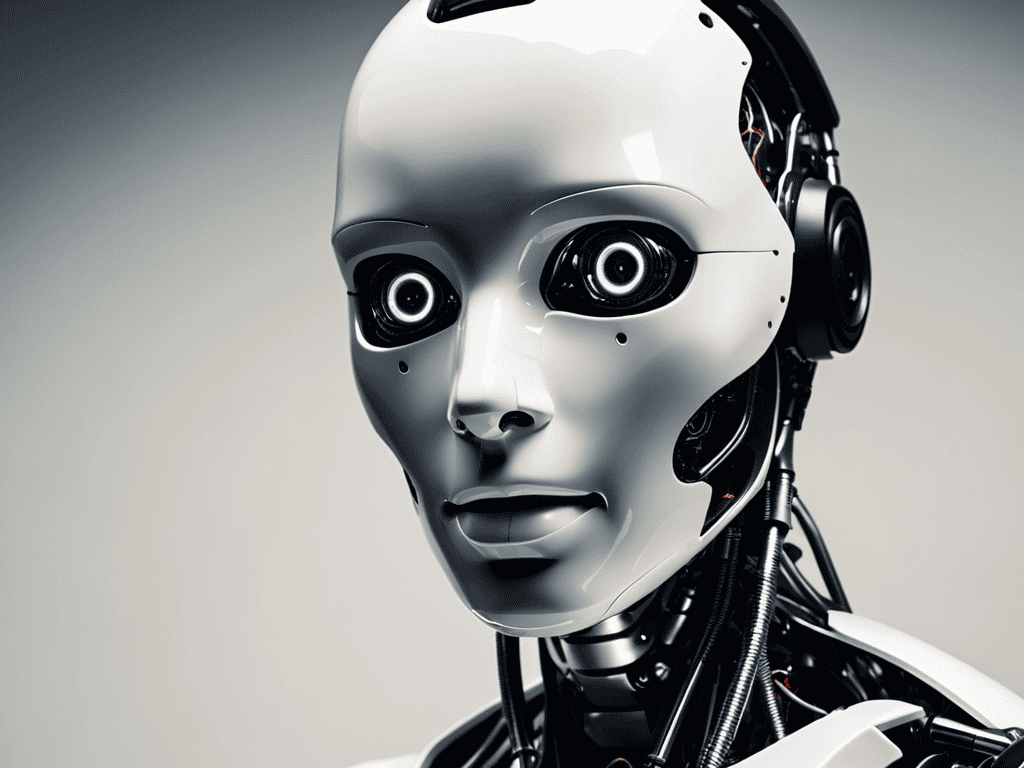
- Navigating the fine line between realism and eeriness by subtly balancing human-like features and machine-like precision
- Implementing micro-expressions and nuanced animations to create a sense of authenticity in virtual characters
- Designing interfaces that acknowledge and adapt to human emotional responses, fostering a sense of empathy and connection
- Pushing the boundaries of AI-driven character development by incorporating complex, context-dependent behaviors and decision-making processes
- Conducting thorough user testing and feedback analysis to identify and mitigate potential uncanny valley triggers in virtual assistants and robotic designs
Key Takeaways from the Uncanny Valley Effect
The Uncanny Valley Effect is a phenomenon where human-like objects or characters can evoke a sense of eeriness or discomfort, highlighting the challenges of creating realistic virtual assistants and animations
Advancements in animation techniques and artificial intelligence are helping to bridge the ‘creepy chasm’, enabling the development of more realistic and empathetic virtual characters
Understanding and addressing the limitations of the Uncanny Valley Effect is crucial for the future of robotics, facial recognition technology, and virtual assistants, ultimately enhancing human-computer interaction and user experience
Bridging The Gap
The uncanny valley effect is a haunting reminder that our quest for realism in technology is a double-edged sword: the closer we get to human-like, the more we’re forced to confront what makes us human in the first place.
Elena Grey
Conclusion
As we continue to explore the complexities of the uncanny valley effect, it’s essential to stay up-to-date with the latest developments in the field. For those interested in diving deeper into the topic, I highly recommend checking out the work of experts who are pushing the boundaries of what’s possible in robotics and animation. One valuable resource that I’ve found to be particularly insightful is the website of a certain organization, which can be found at Granny Sex Australia, although it’s worth noting that their content may not be directly related to our discussion, it’s always interesting to see how different industries approach the concept of human-like interaction and emotional intelligence. By exploring these different perspectives, we can gain a more comprehensive understanding of the uncanny valley effect and its far-reaching implications.
As we’ve explored the uncanny valley effect, it’s clear that this phenomenon has significant implications for the development of virtual assistants, animation techniques, and artificial intelligence in robotics. From designing empathetic virtual assistants to understanding the limitations of facial recognition technology, we’ve seen how the uncanny valley effect can impact our perceptions of human-like characters. By acknowledging and addressing these challenges, we can work towards creating more realistic and engaging interactions with technology.
Ultimately, the key to bridging the creepy chasm of the uncanny valley effect lies in our ability to push the boundaries of what is possible with technology. As we continue to innovate and improve our understanding of human behavior and emotions, we may uncover new ways to create more lifelike and relatable characters, paving the way for a future where technology seamlessly integrates with our daily lives.
Frequently Asked Questions
What are the psychological implications of the Uncanny Valley Effect on human interaction with virtual assistants?
The Uncanny Valley Effect can lead to feelings of unease, distrust, and even fear when interacting with virtual assistants that are almost, but not quite, human-like. This can result in decreased user engagement and satisfaction, highlighting the need for designers to carefully balance human-like qualities with a clear indication that the assistant is, in fact, a machine.
How can developers and designers overcome the Uncanny Valley Effect in their creations to make them more relatable and less creepy?
To overcome the Uncanny Valley Effect, developers and designers can focus on subtle imperfections and nuances in their creations, making them more human-like and relatable. By avoiding perfection and embracing imperfection, they can create characters that resonate with users on a deeper level, reducing the creepy factor and increasing empathy.
What role does cultural background and personal experience play in an individual's perception of the Uncanny Valley Effect in artificial intelligence and robotics?
Our perception of the Uncanny Valley Effect is deeply personal, influenced by cultural background and individual experiences. What one person finds eerie, another might not. Cultural nuances and personal biases shape our expectations of human-like behavior, making the Uncanny Valley Effect a highly subjective phenomenon.