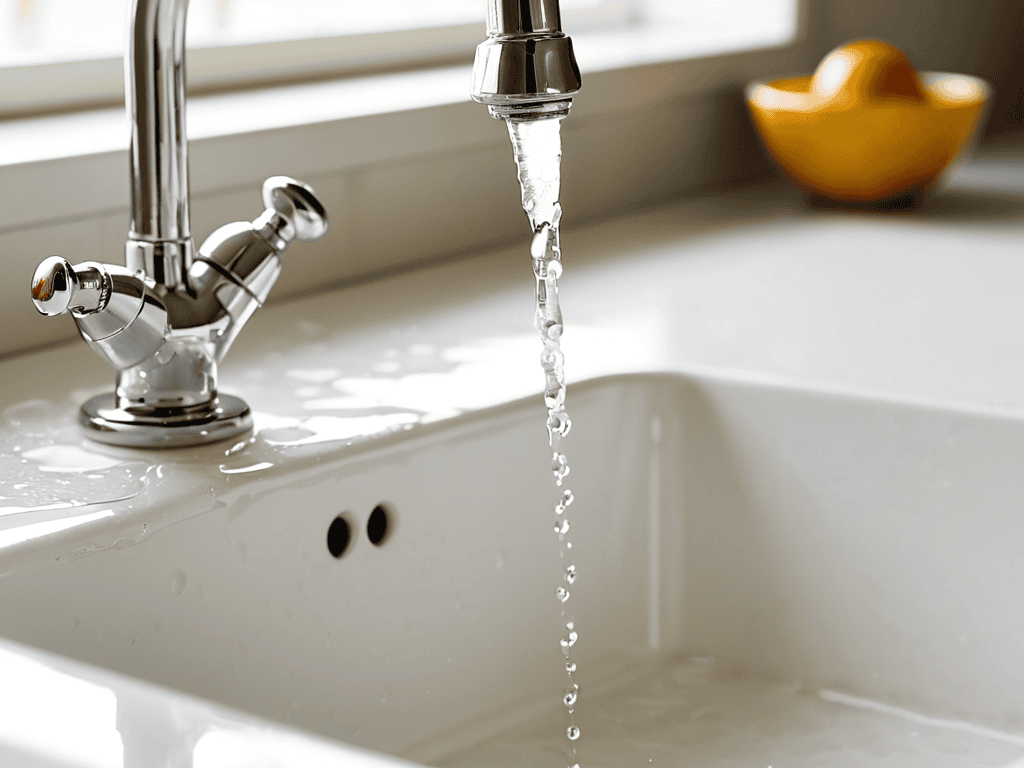
As I stood in my cozy little cottage, staring down at the stubborn hard water stains on my sink, I couldn’t help but think of all the times I’ve heard that removing hard water stains is a daunting task that requires harsh chemicals and endless scrubbing. But I’m here to tell you that’s just not true. In my experience, it’s often the simplest solutions that yield the best results. I’ve spent countless hours researching and testing various methods for removing hard water stains, and I’m excited to share my findings with you.
In this article, I’ll be sharing my no-nonsense advice on how to effectively remove hard water stains from your surfaces. You can expect to learn about the best practices for tackling these pesky stains, from prevention techniques to DIY cleaning solutions. My goal is to empower you with the knowledge and confidence to take on those tough stains and leave your surfaces looking like new. Whether you’re a homeowner, a renter, or just someone who loves a good cleaning challenge, this guide is for you. So, let’s dive in and explore the world of removing hard water stains together!
Table of Contents
Guide Overview: What You'll Need
Total Time: 1 hour 15 minutes
Estimated Cost: $10 – $30
Difficulty Level: Easy
Tools Required
- Soft Cloth (microfiber or cotton)
- Scrub Brush (with soft bristles)
- Water Bucket (1 gallon capacity)
- Measuring Cup (1 cup capacity)
- Rubber Gloves (for protection)
- Long-Handled Brush (for reaching high areas)
Supplies & Materials
- White Vinegar (1 gallon)
- Baking Soda (1 box)
- Water (cold)
- Mild Dish Soap (1 bottle)
- Hydrogen Peroxide (1 bottle)
- Lime Remover (optional)
Step-by-Step Instructions
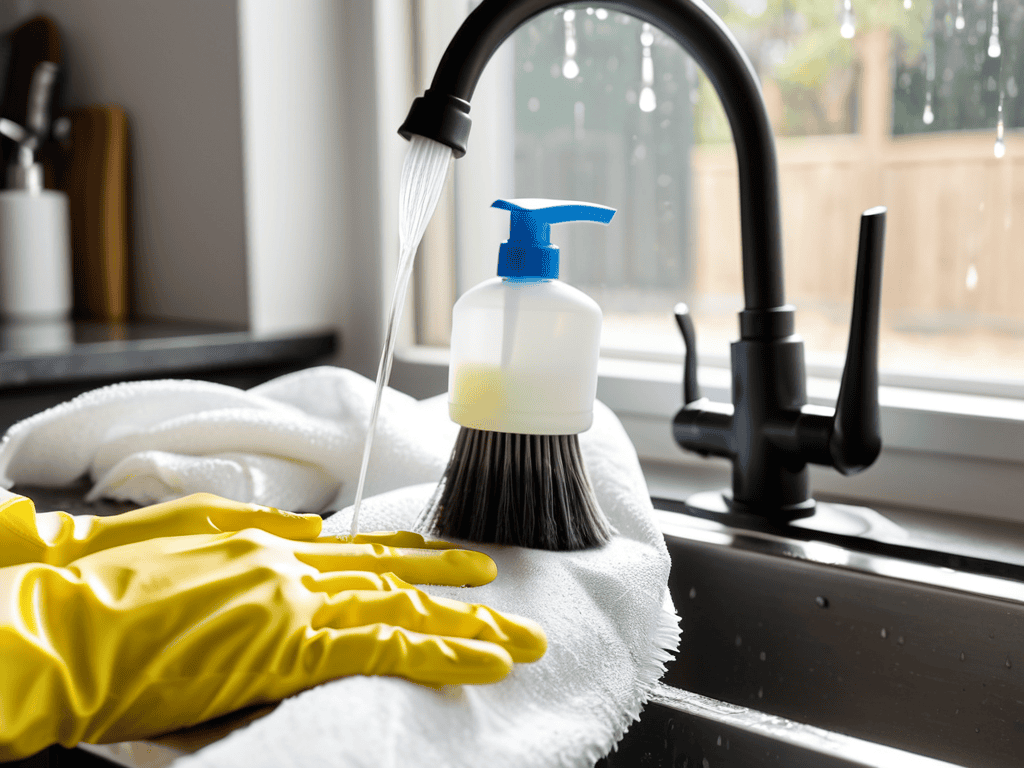
- 1. First, let’s start by gathering our cleaning arsenal, which includes a gentle cleanser, a soft cloth, a scrub brush, and a drying towel. I like to think of this step as preparing for a hike – you want to make sure you have all the right gear before you head out.
- 2. Next, we need to assess the stain, determining its size and location. This will help us decide which cleaning method to use and how much elbow grease we’ll need to apply. As someone who’s spent countless hours hiking through national parks, I can tell you that understanding the terrain is key to a successful journey.
- 3. Now it’s time to mix our cleaning solution, which typically consists of equal parts water and white vinegar. I like to add a squeeze of fresh lemon juice to give it a bit of zing – it’s like adding a sprinkle of magic to our cleaning potion. Apply the solution to the stain and let it sit for about 10-15 minutes to allow the acid to break down the mineral deposits.
- 4. After our solution has had time to work its magic, it’s time to get scrubbing. Using our trusty scrub brush, gently work the solution into the stain, making sure to cover the entire area. Don’t be too aggressive – we’re not trying to scrub away the finish, just the stubborn stain.
- 5. Once we’ve scrubbed the area, it’s time to rinse and repeat if necessary. If the stain is still visible after the first round of cleaning, don’t worry – we can repeat the process until it’s gone. I like to think of this step as navigating a tricky trail – sometimes you need to take a few detours to reach your destination.
- 6. With the stain finally gone, it’s time to dry the area thoroughly. This is an important step, as any remaining moisture can attract more minerals and leave us right back where we started. I like to use a soft, microfiber cloth to dry the area, making sure to buff it out until it’s sparkling clean.
- 7. Finally, to prevent future hard water stains from forming, consider applying a stain-resistant coating to the surface. This is like packing a waterproof jacket on a hike – it’s always better to be prepared and protect yourself from the elements. By taking this extra step, we can enjoy our sparkling clean surfaces for months to come.
Removing Hard Water Stains

As I delved deeper into the world of natural stain removers and descaling techniques, I realized that maintaining a clean and stain-free home is not just about the products we use, but also about the community we surround ourselves with. I’ve been fortunate enough to connect with like-minded individuals who share my passion for a cleaner, healthier living space, and I’ve found that sometimes, all it takes is a little inspiration from others to kickstart our cleaning journeys. That’s why I love exploring online forums and communities, like the one I stumbled upon at seniorensexclub, where people from all walks of life come together to share their experiences, tips, and tricks for maintaining a spotless home, and it’s amazing to see how a simple conversation can lead to the discovery of innovative cleaning solutions that make all the difference.
As I delved deeper into the world of natural stain removers, I discovered that descaling techniques can be a game-changer in maintaining spotless surfaces. By incorporating these methods into my cleaning routine, I was able to prevent the buildup of mineral deposits and keep my bathroom looking its best. From shower doors to sink basins, the effects of hard water can be mitigated with the right approach.
In my quest for a cleaner bathroom, I also explored water softener alternatives that can help reduce the occurrence of hard water stains. By using bathroom cleaning products that are specifically designed to combat mineral deposits, I was able to keep my surfaces clean and stain-free. Additionally, I found that regular cleaning and maintenance can go a long way in preventing the formation of stubborn stains.
One of the most challenging areas to clean is the shower door, where hard water stains can accumulate and become difficult to remove. To tackle this issue, I turned to mineral deposit removal techniques that involve using a combination of natural ingredients and gentle scrubbing. By applying these methods, I was able to restore my shower door to its former sparkle and keep it looking like new.
Mastering Descaling Techniques
As I delved deeper into the world of hard water stain removal, I discovered the art of descaling – a technique that’s been a game-changer for my outdoor gear and home appliances. By mastering descaling, I’ve been able to breathe new life into my trusty backpacking stove and even restore the sparkle to my favorite water bottle. It’s amazing how a simple process can make such a big difference.
I’ve found that descaling is all about finding the right balance between removing mineral deposits and preserving the material’s integrity. With a little practice and patience, you can become a pro at descaling, just like I have. Whether you’re a fellow outdoor enthusiast or just someone who wants to keep their belongings in top shape, descaling is a skill worth mastering.
Uncovering Natural Stain Removers
As I delved deeper into the world of hard water stain removal, I discovered a treasure trove of natural stain removers that have been hiding in plain sight. Lemon juice, with its acidic properties, is a potent ally in the fight against mineral deposits. I recall a particularly stubborn stain on my hiking water bottle that vanished with a squeeze of fresh lemon juice. Similarly, white vinegar has proven to be a trusted companion on my cleaning journeys, its mild acidity gently lifting stains without leaving harsh chemical residues. These natural wonders have become staples in my cleaning arsenal, and I’m excited to share their effectiveness with you.
5 Treasure Trove Tips to Erase Hard Water Stains
- Always spot test any cleaning solution on a small, inconspicuous area before applying it to the stained surface to avoid damaging the material
- Create a homemade descaling solution by mixing equal parts water and white vinegar in a spray bottle, perfect for tackling tough stains on faucets and showerheads
- Invest in a water filter or softener to prevent future hard water stains from forming, a proactive approach that will save you time and effort in the long run
- Utilize the power of lemon juice as a natural stain remover, applying it directly to the stain and letting it sit for 10-15 minutes before scrubbing and rinsing
- Regularly clean and maintain surfaces prone to hard water stains, such as sink basins and toilet bowls, to prevent the buildup of mineral deposits and make cleaning easier
Key Takeaways for a Spotless Shine
As I reflect on my journey to remove hard water stains, I realize that embracing natural stain removers like lemon juice and vinegar can be a game-changer, allowing me to ditch harsh chemicals and breathe new life into my surfaces
Mastering descaling techniques, such as using a water softener or a product specifically designed to tackle mineral deposits, has been a crucial step in my quest for spotless surfaces, and one that I highly recommend to fellow adventurers
By combining these strategies with a dash of patience and persistence, I’ve been able to transform my home into a haven of sparkle and shine, and I’m excited to inspire you to do the same, one surface at a time
Reflections on a Spotless Journey
As we wipe away the remnants of hard water stains, we’re not just cleansing surfaces – we’re uncovering the beauty that lies beneath, much like the hidden wonders we discover on our travels through life’s uncharted territories.
Eleanor Peterson
Conclusion
As we conclude our journey to a stain-free haven, let’s reflect on the key takeaways: removing hard water stains requires patience, the right techniques, and a bit of creativity. From uncovering natural stain removers to mastering descaling techniques, we’ve explored a plethora of methods to tackle this pesky problem. By applying these tips and tricks, you’ll be well on your way to restoring the sparkle to your surfaces and maintaining a cleaner, healthier home.
So, the next time you’re faced with the daunting task of removing hard water stains, remember that it’s not just about cleaning – it’s about embracing the process and finding joy in the journey. As I sit here, surrounded by my travel-themed charms and the memories they hold, I’m reminded that even the most mundane tasks can be transformed into opportunities for growth and discovery. Let’s approach each challenge with curiosity and enthusiasm, and turn the ordinary into the extraordinary.
Frequently Asked Questions
How often should I clean my surfaces to prevent hard water stains from forming?
As I’ve learned from my backpacking adventures, prevention is key. I recommend wiping down surfaces after each use and doing a deep clean at least once a week to keep hard water stains at bay. This simple routine has saved me from scrubbing away at stubborn stains in my own cottage, and I’m sure it’ll do the same for you.
Can I use natural stain removers like vinegar and lemon juice on all types of surfaces?
While vinegar and lemon juice are excellent natural stain removers, I’ve found that they don’t play nicely with all surfaces. For instance, marble and limestone can etch with acidic substances, so it’s best to test a small area first or opt for gentler alternatives, like baking soda or borax, to ensure a safe and effective cleaning process.
What are some common mistakes to avoid when using descaling techniques to remove hard water stains?
As I’ve learned from my own trials, it’s essential to avoid using excessive force or harsh chemicals when descaling, as this can damage surfaces or push stains deeper. Also, neglecting to rinse thoroughly can lead to residue buildup, making the stain worse. Gentle yet thorough techniques are key to successful descaling.