
As I sit here, surrounded by the tranquility of the forest, I’m reminded of the misconceptions that often plague our understanding of brainstorming techniques. We’re led to believe that these methods are only effective in a corporate setting, but I’ve found that the most innovative ideas emerge when we step away from the confines of a boardroom and into the great outdoors. The art of brainstorming is not just about generating ideas, but about cultivating a mindset that’s open to the wisdom of nature. I recall a particularly insightful moment during one of my foraging expeditions, where the gentle rustling of leaves and the earthy scent of wild herbs sparked a creative breakthrough that I wouldn’t have experienced in a traditional office setting.
In this article, I’ll share my personal approach to brainstorming techniques, one that blends the ancient wisdom of nature with modern science. You’ll learn how to harness the power of your surroundings to stimulate your creativity, and how to apply these principles to your daily life. I’ll provide you with practical advice on how to silence your mind, tap into your intuition, and uncover innovative solutions to the challenges you face. By embracing the natural world and its rhythms, you’ll discover a more authentic and effective approach to brainstorming, one that will leave you feeling refreshed, renewed, and ready to tackle any obstacle that comes your way.
Table of Contents
- Guide Overview: What You'll Need
- Step-by-Step Instructions
- Unlocking Brainstorming Techniques
- Nurturing the Forest of Our Minds: 5 Brainstorming Techniques to Cultivate Innovation
- Harvesting the Fruits of Our Labor: 3 Key Takeaways
- Tapping into the Collective Genius
- Embracing the Wilderness of Innovation
- Frequently Asked Questions
Guide Overview: What You'll Need

Total Time: 1 hour 30 minutes
Estimated Cost: $0 – $10
Difficulty Level: Easy
Tools Required
- Whiteboard (or large piece of paper)
- Markers (various colors)
Supplies & Materials
- Sticky Notes (for mind mapping)
- Pencils (for free writing)
Step-by-Step Instructions
- 1. First, find a quiet and natural setting, away from the hustle and bustle of daily life, where you can clear your mind and focus on the task at hand. This could be a forest, a park, or even your own backyard. Take a few deep breaths, and let the sounds of nature calm your mind.
- 2. Next, define the problem or topic you want to tackle with your brainstorming session. Be specific about what you’re trying to achieve, and write it down in a notebook or on a piece of paper. This will help you stay focused and ensure that your ideas are relevant to the task at hand.
- 3. Now, take a walk in your chosen natural setting, and let your mind wander. Don’t try to force ideas, just let them come to you as you observe the sights and sounds around you. You might find that a particular plant, tree, or rock sparks an idea, so be sure to jot it down in your notebook.
- 4. When you return from your walk, find a comfortable spot to sit and reflect on your ideas. Go through your notebook, and expand on any ideas that you’ve written down. Don’t worry too much about their feasibility at this stage, just let your imagination run wild.
- 5. As you reflect on your ideas, start to categorize them into groups or themes. This will help you to see patterns and connections between ideas, and to identify any areas that need more exploration. You might find that certain ideas are related to each other, or that they can be combined in interesting ways.
- 6. Next, take your categorized ideas, and start to brainstorm around each group. Ask yourself questions like “what if”, “why not”, and “how might I”. Let your mind run wild, and don’t be afraid to come up with ideas that might seem crazy or impractical at first.
- 7. Finally, take your brainstormed ideas, and start to refine them. Look for ways to make them more practical, feasible, and effective. Consider factors like resources, time, and potential obstacles, and think about how you can overcome these challenges. This is where your ideas start to take shape, and you can begin to see a clear path forward.
Unlocking Brainstorming Techniques
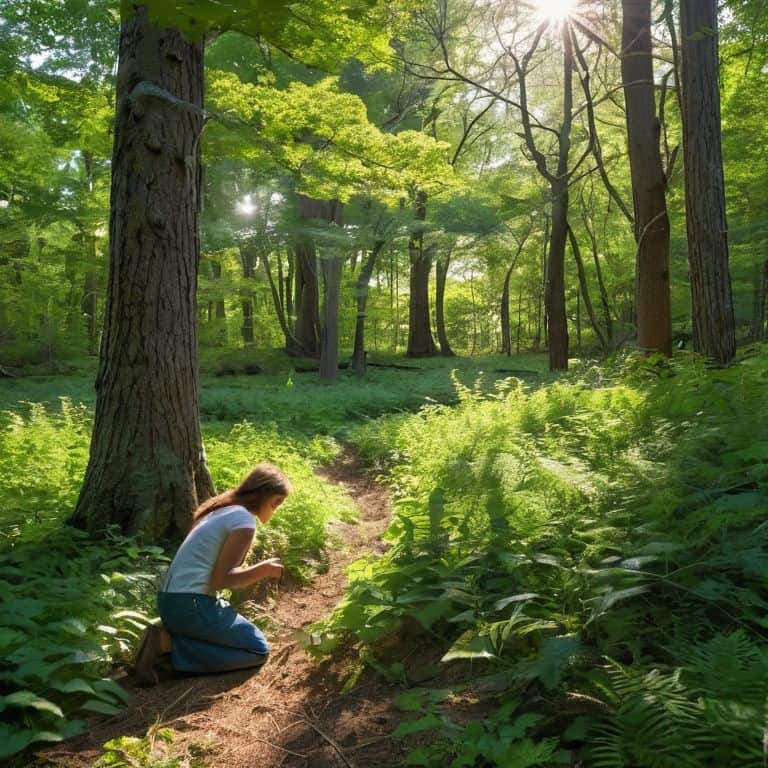
As I forage for wild herbs in the forest, I often find myself pondering the art of creative thinking exercises that can help unlock the full potential of our minds. It’s amazing how a simple walk among the trees can help stimulate innovative problem solving, allowing us to approach challenges from unique angles. By incorporating nature into our thought process, we can tap into a deeper sense of creativity and collaboration.
In a team setting, mind mapping for teams can be a powerful tool for visualizing ideas and connections. This approach helps to facilitate effective meeting facilitation, ensuring that all voices are heard and valued. By embracing a more holistic approach to collaboration, we can foster an environment that encourages open communication and mutual respect. As I measure out a pinch of dried chamomile with my trusty wooden spoon, I’m reminded of the importance of attention to detail in our creative pursuits.
When planning an innovation workshop, it’s essential to consider the diverse perspectives and strengths of each team member. By incorporating group brainstorming activities and problem solving frameworks, we can create a rich tapestry of ideas and insights. As we navigate the complexities of modern challenges, it’s crucial to remain adaptable and open to new approaches, just as the forest ecosystem evolves and thrives through its interconnectedness.
Creative Thinking Exercises Earthy Innovation
As I wander through the forest, I’m reminded that creativity is often hidden in plain sight. To tap into this earthy innovation, try “sensory scavenger hunts” – where you and your team venture out to gather items that stimulate your senses, like the scent of wild rosemary or the feel of moss beneath your feet. This exercise encourages you to slow down, observe, and appreciate the intricate details of nature, much like my grandmother taught me to do when foraging for wild herbs.
By bringing these sensory experiences back to your brainstorming sessions, you’ll find that your team’s creative thinking is infused with the freshness of the outdoors. The wooden spoon in my pocket, a symbol of my grandmother’s wisdom, reminds me to stay grounded and open to the simple, yet profound, inspirations that nature provides.
Mind Mapping for Teams Forest of Ideas
As I wander through the forest, I often find myself pondering the art of mind mapping. This technique, much like the intricate networks of tree roots, allows teams to visually connect ideas and foster a sense of collaboration. By starting with a central concept and branching out into related ideas, teams can create a rich tapestry of thoughts and insights. I recall a particularly successful mind mapping session I facilitated, where a group of individuals from diverse backgrounds came together to tackle a complex problem. The resulting “forest of ideas” was astounding, with each person’s unique perspective adding depth and nuance to the collective understanding.
With my trusty wooden spoon in hand, I like to think of mind mapping as a recipe for creative success. Just as a pinch of this and a dash of that can transform a dish, the combination of individual perspectives and ideas can lead to innovative solutions. By embracing the organic, non-linear nature of mind mapping, teams can tap into the wisdom of the forest, where growth and connection are always unfolding.
Nurturing the Forest of Our Minds: 5 Brainstorming Techniques to Cultivate Innovation
- Embracing the Art of Free Writing: allowing our thoughts to flow like a river, unedited and unfiltered, to tap into the subconscious mind
- Forest Bathing for Inspiration: spending time in nature to stimulate our senses and awaken our creativity
- The Power of Mindful Listening: fully engaging with others’ ideas and perspectives to foster a deeper understanding and spark new connections
- Harvesting Ideas through SCAMPER: using the technique of Substitute, Combine, Adapt, Modify, Put to Another Use, Eliminate, and Rearrange to stimulate innovative thinking
- Embracing the Wisdom of Silence: making space for quiet reflection and introspection to allow our minds to wander and discover new insights
Harvesting the Fruits of Our Labor: 3 Key Takeaways
As we wander through the forest of ideas, remember that brainstorming techniques are not one-size-fits-all – it’s essential to cultivate a personalized approach that honors your unique perspective and creative voice
By embracing the wisdom of mind mapping and creative thinking exercises, we can tap into the collective genius of our teams and communities, fostering a culture of collaboration and innovation that’s rooted in the natural world
Ultimately, the art of brainstorming is a journey, not a destination – it’s about embracing the twists and turns of the creative process, trusting in the power of nature to guide us, and using tools like my trusty wooden spoon to stir, taste, and savor the flavors of our imagination
Tapping into the Collective Genius
As we wander through the forest of our minds, brainstorming techniques become the gentle rainfall that nourishes the seeds of innovation, allowing us to harvest a bounty of creative solutions that enrich our lives and the lives of those around us.
Ethan Mitchell
Embracing the Wilderness of Innovation

As we conclude our journey through the realm of brainstorming techniques, it’s essential to reflect on the key takeaways that have guided us thus far. We’ve explored the forest of ideas through mind mapping, uncovered the potential of earthy innovation with creative thinking exercises, and delved into the step-by-step instructions for harnessing our collective genius. By embracing these methods, we’ve not only expanded our toolkit for innovation but have also fostered a deeper connection with the natural world and its profound impact on our creativity.
As we venture forth, remember that the true power of brainstorming lies not in the techniques themselves, but in our ability to stir the forest floor of our minds, unearthing ancient wisdom and applying it to the modern world. Let us carry the spirit of discovery and the wisdom of our ancestors with us, inspiring a new generation of thinkers to explore, create, and innovate in harmony with the natural world.
Frequently Asked Questions
How can I adapt brainstorming techniques to suit different team sizes and dynamics?
As I forage for wild herbs, I’ve learned that adaptability is key. For smaller teams, intimate, nature-inspired settings can foster connection and creativity. Larger teams can benefit from structured exercises, like mind mapping, to harness collective energy. My grandmother’s wisdom taught me to be flexible, like a willow tree, and adjust approaches to suit the unique dynamics of each group, ensuring every voice is heard.
What role can nature and the outdoors play in stimulating creative thinking during brainstorming sessions?
As someone who’s spent countless hours foraging in the woods, I’ve seen firsthand how nature can spark creativity. Being outdoors can calm the mind, allowing us to tap into our inner genius. I often take my clients on forest walks to stimulate creative thinking – the fresh air, sounds, and scents seem to awaken new ideas and perspectives, much like the wild herbs I forage to create remedies that nourish both body and mind.
Are there any specific tools or materials that can enhance the brainstorming process, such as mind mapping software or collaborative whiteboards?
As I forage for wild herbs, I find that simple tools like my trusty wooden spoon and a notebook can be just as effective as mind mapping software or collaborative whiteboards in sparking creativity and enhancing the brainstorming process.