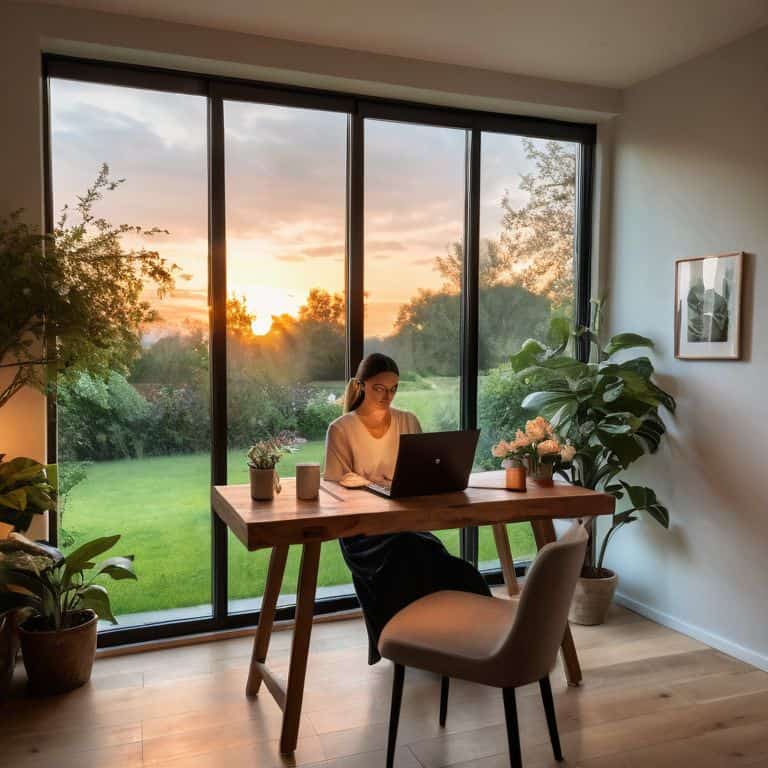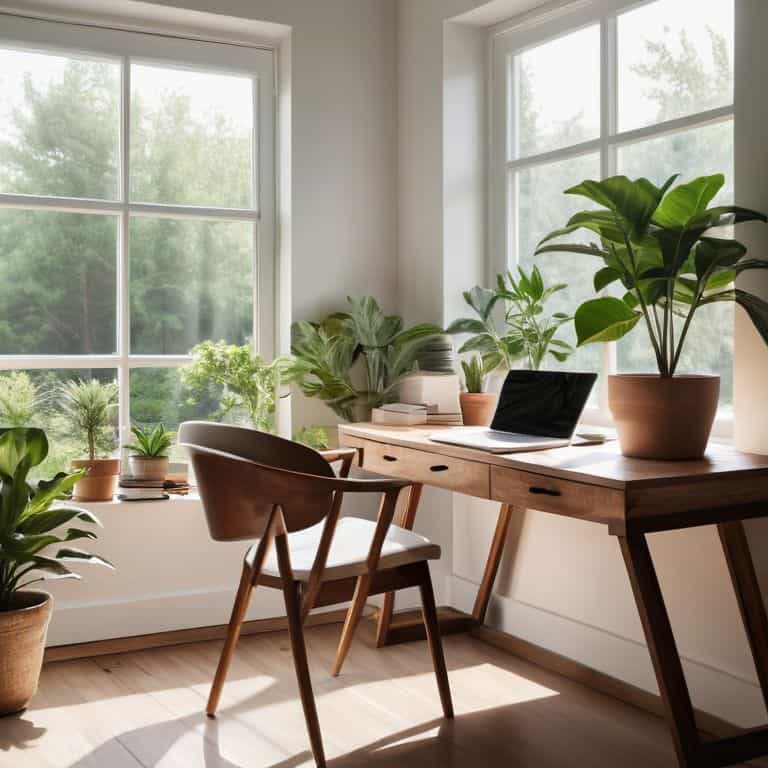
I still remember the day I realized that my cluttered workspace was suffocating my creativity. I was working on a critical project, but my desk was a mess, and I found myself constantly distracted by notifications, emails, and chatty coworkers. That’s when I discovered the power of a distraction-free workspace. It wasn’t just about clearing my desk; it was about creating an environment that fostered focus, productivity, and mindfulness. As someone who’s obsessed with optimizing workflows, I’ve spent years experimenting with different techniques to create the perfect workspace.
In this article, I’ll share my personal story and practical strategies for crafting a distraction-free workspace that nurtures your focus and fuels your creativity. You’ll learn how to identify and eliminate common distractions, design a workspace that sparks joy, and implement habits that help you stay focused and productive. My goal is to provide you with actionable advice that you can apply immediately, without any fluff or hype. By the end of this guide, you’ll be equipped with the knowledge and tools to create a workspace that helps you achieve your goals and find a sense of calm in the midst of chaos.
Table of Contents
Guide Overview: What You'll Need

Total Time: 2 hours 30 minutes
Estimated Cost: $50 – $100
Difficulty Level: Intermediate
Tools Required
- Utility Knife (with extra blades)
- Drill (for hanging items)
- Level (for ensuring shelves are straight)
- Measuring Tape (for accurate measurements)
- Pencil (for marking walls and surfaces)
Supplies & Materials
- 2-in x 4-in lumber (for building a desk or shelving unit)
- Plywood or MDF (for creating a custom desktop or shelf)
- Ergonomic Chair (for comfortable seating)
- Noise-Cancelling Headphones (for minimizing distractions)
- Plants (for purifying the air and reducing stress)
- Whiteboard or Bulletin Board (for keeping track of tasks and reminders)
- Storage Bins (for organizing office supplies)
- Rug (for defining the workspace and reducing echo)
Step-by-Step Instructions
- 1. First, let’s start by assessing your current workspace. Take a step back and really look at your desk, office, or wherever you spend most of your time working. Notice the clutter, the noise level, and the overall vibe. Be honest with yourself – is this space helping or hindering your productivity? I like to think of this step as a fresh start, a chance to wipe the slate clean and create a space that truly supports your goals.
- 2. Next, clear the clutter. I’m not talking about just tidying up, I’m talking about a full-on purge of anything that’s not essential to your work. Get rid of those old receipts, broken pens, and expired coupons. Go through your drawers and sort items into three piles: keep, donate, and throw away. Remember, a clutter-free space is not just about aesthetics; it’s about creating a mental clarity that allows you to focus on what really matters.
- 3. Now that you’ve cleared the clutter, it’s time to optimize your furniture layout. Think about the flow of your workspace and how you can create a more efficient, ergonomic setup. Consider the golden zone, the area directly in front of you and slightly below eye level, where you should place your most frequently used items. Experiment with different arrangements until you find one that feels intuitive and comfortable.
- 4. Lighting can greatly impact your productivity, so let’s get lit. Natural light is always the best option, but if that’s not possible, invest in some high-quality lamps or overhead lighting. Avoid harsh or dim lighting, as it can lead to eye strain and fatigue. I’m a big fan of layered lighting, which involves using a combination of light sources to create a warm and inviting atmosphere.
- 5. To minimize distractions, establish a noise policy. If you’re in a shared office space, consider using noise-cancelling headphones or playing calming music to mask background chatter. If you’re working from home, set clear boundaries with family members or roommates about your work hours and noise levels. Remember, a quiet space is not just about the absence of noise; it’s about creating an environment that allows you to focus and recharge.
- 6. Now, let’s talk about technology management. In today’s digital age, it’s easy to get sucked into the vortex of social media, email, and text notifications. To avoid this, set up website blockers or apps that help you stay on track. I’m a big fan of website blockers, which can be customized to block specific sites during certain hours of the day.
- 7. Finally, make it meaningful. Your workspace should be a reflection of your personality and values. Add some plants, artwork, or inspirational quotes that bring you joy and motivation. I like to think of this step as infusing your space with intention, creating a environment that not only supports your productivity but also nurtures your mind, body, and soul.
- 8. As a final touch, schedule regular maintenance. Set aside time each week to tidy up your space, update your to-do lists, and reflect on your progress. This will help you stay on track, avoid procrastination, and maintain a sense of control over your workspace. I like to think of this step as checking in with yourself, taking a moment to assess your goals and make adjustments as needed.
Creating a Distraction Free Workspace
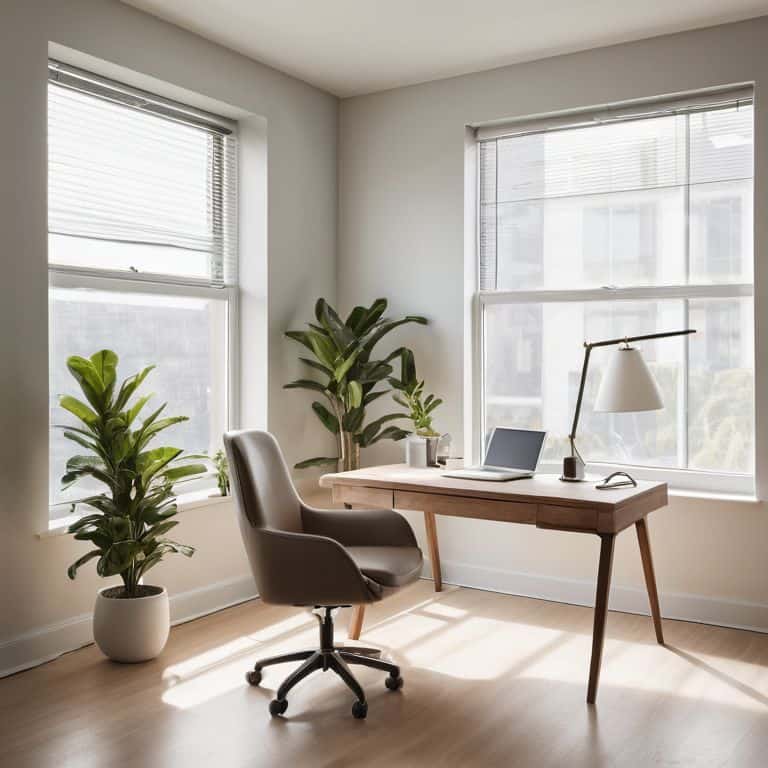
As I delve into the world of noise reduction techniques for offices, I’m reminded of the importance of creating an environment that fosters focus. One often overlooked aspect is the role of ergonomic furniture in promoting productivity. By investing in chairs, desks, and lighting that support our physical well-being, we can reduce distractions and stay focused on the task at hand.
When it comes to digital tools, I’m a big fan of digital tool integration for minimalism. By streamlining our workflow and eliminating unnecessary apps, we can minimize digital distractions and stay on track. This is especially crucial when creating a quiet workspace at home, where it’s easy to get sidetracked by personal tasks or social media.
To take your productivity to the next level, consider the importance of natural light in workspaces. Studies have shown that natural light can boost our mood and energy levels, making it easier to stay focused and avoid distractions. By combining these strategies with a few simple strategies for avoiding digital distractions, you can create a workspace that truly supports your goals and well-being.
Ergonomic Furniture for Mindful Productivity
As I sit amidst my origami creations, I’m reminded that even the smallest details can significantly impact our focus. Ergonomic furniture plays a crucial role in maintaining a distraction-free workspace. By investing in a comfortable, adjustable chair and a spacious desk, you’ll be able to work for extended periods without feeling fatigued or distracted by discomfort.
I’ve found that incorporating ergonomic elements, such as a standing desk or a document holder, can greatly enhance my productivity. These simple adjustments allow me to stay mindful and fully engaged in my work, rather than being sidetracked by physical discomfort. By prioritizing ergonomic furniture, you’ll be well on your way to creating a workspace that nurtures both your body and mind.
Noise Reduction for Laser Focus
To take your distraction-free workspace to the next level, let’s tackle noise reduction. I’m a big fan of using noise-cancelling headphones or playing calming music to create a serene atmosphere. This simple trick can help you stay focused and avoid multitasking. By minimizing auditory distractions, you can concentrate on the task at hand and make significant progress.
I also recommend exploring different noise reduction techniques, such as using a white noise machine or app, to find what works best for you. Personally, I use a combination of instrumental music and a website that generates background coffee shop sounds to create the perfect ambiance for my work sessions. Experimenting with these tools can help you discover your ideal noise level and boost your productivity.
5 Essential Elements to Craft Your Serene Workspace
- Designate a ‘tech box’ to contain your devices and notifications, allowing you to work in focused 90-minute increments
- Implement a ‘one touch rule’ for handling paperwork and documents, aiming to either respond, delegate, or archive them immediately
- Utilize the ‘Pomodoro Technique’ to work in concentrated bursts, punctuated by short mindfulness exercises to refresh your mind
- Curate a ‘vision board’ in your workspace, displaying inspiring quotes, images, and goals to maintain motivation and direction
- Schedule regular ‘digital detox’ sessions, where you disconnect from the internet and focus on high-priority tasks that require your undivided attention
Key Takeaways for a Distraction-Free Workspace
I’ve learned that designing a workspace with intention, whether it’s through origami-inspired decor or carefully selected ergonomic furniture, can significantly boost focus and creativity
By implementing noise reduction strategies and minimizing digital distractions, you can create an environment that nurtures your productivity and allows you to enter a state of flow more easily
Remember, it’s all about finding a balance between structure and flexibility – experiment with different productivity apps, techniques, and workflows until you find what works best for you and your unique rhythm
Finding Focus in the Chaos
A distraction-free workspace is not just a physical sanctuary, but a mental haven where creativity thrives and productivity flows – it’s where the noise of the world fades away, and the rhythm of your best work begins.
Avery Mitchell
Embracing Serenity and Focus
As we’ve explored the journey to a distraction-free workspace, it’s clear that creating an environment that fosters focus and creativity is a multifaceted endeavor. From noise reduction techniques to the implementation of ergonomic furniture, each element plays a crucial role in nurturing our productivity and well-being. By applying these principles, we not only enhance our ability to concentrate but also cultivate a space that inspires mindful productivity. This approach isn’t just about efficiency; it’s about embracing a lifestyle that values serenity and fulfillment.
In the end, the pursuit of a distraction-free workspace is a personal and ongoing journey. It’s about embracing imperfections and continuously striving for an environment that fuels our creativity and supports our well-being. As you reflect on the steps taken to create your sanctuary of focus, remember that it’s the small, incremental changes that often lead to the most profound impacts. So, take a deep breath, revel in the peace your space brings, and let the harmony between your environment and your aspirations be the catalyst that propels you toward achieving your dreams.
Frequently Asked Questions
How can I minimize digital distractions in my workspace, such as notifications and social media?
To minimize digital distractions, I swear by website blockers like Freedom or SelfControl – they’re total game-changers. I also recommend silencing notifications for non-essential apps and scheduling social media checks to avoid mindless scrolling. Trust me, it’s a productivity hack that’s been a lifesaver for me!
What are some creative ways to repurpose a small or cluttered space into a distraction-free zone?
I love transforming tight spaces into tranquil oases. Try using wall-mounted shelves, folding desks, or even repurposing a closet into a cozy workspace. For me, designing intricate origami models in these small spaces helps me focus on the task at hand, and I’ve found that the right productivity apps can also be a game-changer in maximizing efficiency.
Are there any specific lighting or color schemes that can enhance focus and productivity in a distraction-free workspace?
I’m a big fan of using natural light and calming colors to boost focus. Soft blues and greens can promote serenity, while warm whites can stimulate creativity. I also recommend layering lighting to create a comfortable ambiance, making it easier to get in the flow and stay there.