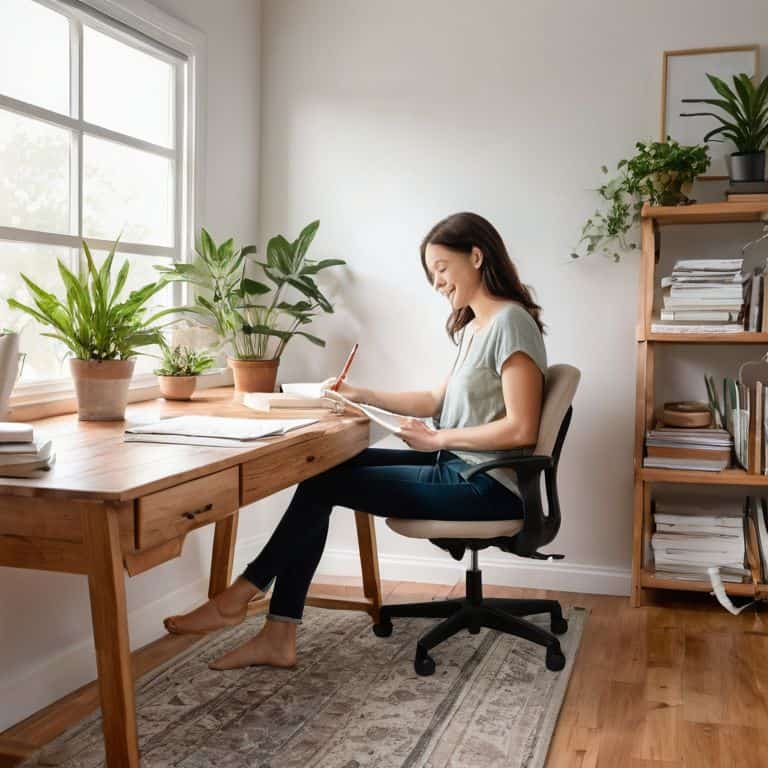
As I sat amidst the chaos of my own tiny workspace, I realized that small office organization doesn’t have to be a daunting task. In fact, I’ve found that with a little creativity and some clever hacks, even the smallest of spaces can be transformed into a haven that sparks joy and fuels productivity. I’ve heard it time and time again: “you can’t do much with a small space,” but I’m here to tell you that’s simply not true. With the right mindset and a few practical tips, you can turn your tiny office into a treasure trove of productivity.
In this article, I’ll be sharing my personal story of transforming my own small office into a functional and inspiring space. I’ll give you honest advice on how to prioritize your needs, maximize your storage, and create a workflow that works for you. From desk organization to decorative touches, I’ll cover it all. My goal is to provide you with the tools and inspiration you need to take control of your small office organization and make it a space that truly reflects your personality and work style. By the end of this guide, you’ll be equipped with the knowledge and confidence to turn your small office into a productive oasis.
Table of Contents
Guide Overview: What You'll Need
Total Time: 2 hours 30 minutes
Estimated Cost: $50 – $100
Difficulty Level: Intermediate
Tools Required
- Label Maker (for labeling files and folders)
- Step Stool (for reaching high shelves)
- Measuring Tape (for measuring spaces)
- Level (for hanging shelves and pictures)
- Screwdriver (for assembling furniture)
Supplies & Materials
- Shelving Units (customizable to fit your space)
- Desk Organizers (for keeping office supplies within reach)
- File Cabinets (for storing important documents)
- Ergonomic Accessories (such as a keyboard tray or monitor riser)
- Storage Bins (for keeping clutter at bay)
Step-by-Step Instructions
- 1. First, let’s start with the foundation of our small office organization journey: purging the clutter. Begin by taking everything out of your desk drawers, shelves, and storage units, and sort items into three piles: keep, donate/sell, and throw away. This is a crucial step in creating a space that sparks joy and fuels productivity, as it allows you to reassess what’s truly important and what can be let go of.
- 2. Next, it’s time to _categorize and group_ similar items together. This could mean separating writing utensils from paper clips, or grouping all your office supplies into a single, easily accessible area. By doing so, you’ll be able to see what you have, what you need, and what can be _streamlined_ to create a more efficient workflow.
- 3. Now that we have our items sorted and grouped, it’s time to assign a home for each category. This means designating a specific drawer, shelf, or container for each group of items, making it easy to find what you need when you need it. Remember, the key to maintaining a organized space is to create habits that stick, so choose locations that make sense for your daily routine.
- 4. The fourth step in our small office organization guide is to _implement a “touch once” policy_. This means that when handling a piece of paper, document, or task, try to deal with it immediately and completely, rather than putting it down and dealing with it later. This reduces clutter and saves time in the long run, as you won’t have to spend hours sorting through piles of paperwork or searching for misplaced documents.
- 5. With our physical space organized, it’s time to turn our attention to the digital realm. Digital decluttering is just as important as physical decluttering, as a cluttered computer desktop or disorganized digital files can be just as overwhelming as a cluttered office. Take some time to organize your computer files, _unsubscribe from unwanted emails_, and implement a system for tracking tasks and deadlines.
- 6. The sixth step is to _create a maintenance routine_ that works for you. This could be as simple as setting aside 10 minutes each day to tidy up your space, or as involved as scheduling a weekly or monthly deep clean. By _building maintenance into your routine_, you’ll be able to keep your space organized and clutter-free, even as new papers, tasks, and projects come in.
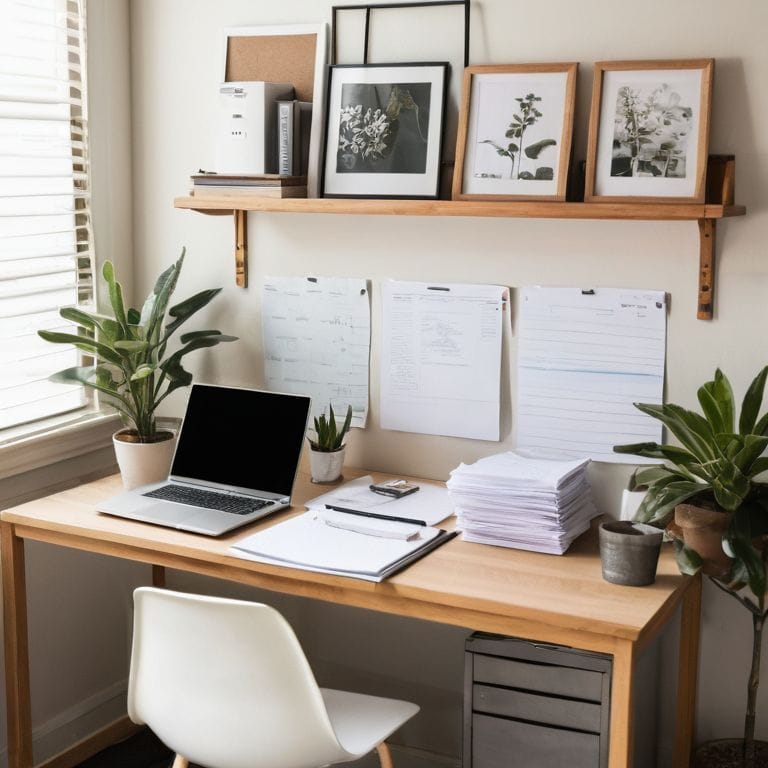
- 7. Finally, let’s talk about _making the most of your space_. This might mean investing in a few key pieces of furniture or decor that help to create a sense of calm and focus, or finding creative ways to use the space you have. Consider _vertical storage options_, such as shelves or storage units that go up to the ceiling, to maximize your floor space and keep your office feeling open and airy.
Navigating Small Office Organization
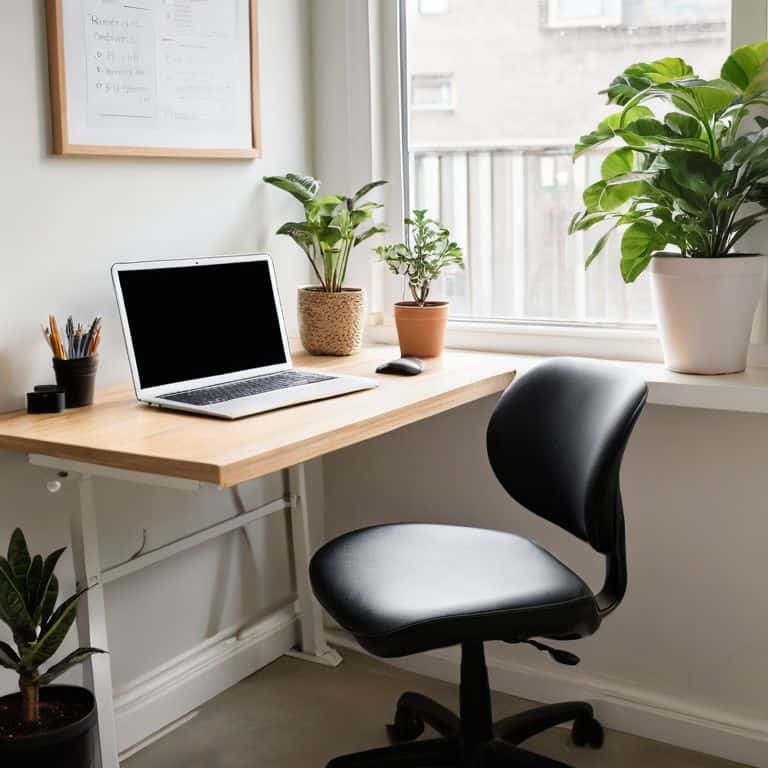
As I reflect on my own experiences of working in compact spaces, I’ve come to realize the importance of ergonomic workspace design. It’s not just about fitting everything into a tiny room, but also about creating an environment that promotes comfort and productivity. When I’m working on a project, I want to feel inspired, not cramped. That’s why I opt for desk organization tips that keep my workspace clutter-free and my mind focused.
One of the biggest challenges of working in a small office is finding creative ways to store files and documents. I’ve experimented with various file storage solutions, from stackable drawers to wall-mounted shelves, and I’ve found that a combination of both works best for me. By keeping my files organized and easily accessible, I can concentrate on the task at hand, rather than wasting time searching for misplaced documents.
To take your compact office to the next level, consider incorporating compact office furniture ideas that serve multiple purposes. For example, a storage ottoman or a desk with built-in shelving can help keep your space tidy while also providing a functional workspace. By embracing these productivity hacks for small offices, you can transform your tiny office into a haven that sparks creativity and fuels your passions.
Ergonomic Workspace Design Hacks
As I delved into the world of compact office furniture, I discovered that ergonomic design is just as crucial in small spaces. A well-crafted workspace can boost productivity and reduce eye strain. I’ve found that simple hacks like positioning my monitor at arm’s length and using a ergonomic keyboard tray can make a world of difference. By implementing these tweaks, I’ve created a haven that sparks joy and fuels my creativity.
My trusty backpacking adventures have also taught me the value of multi-functionality. I’ve applied this principle to my office by using a sit-stand desk that doubles as a storage unit, keeping my travel-themed charms and writing materials within easy reach. This blend of form and function has transformed my tiny office into a cozy retreat that inspires me to explore new ideas and write about my travels.
Unlocking Compact Office Furniture Secrets
As I delved into the world of compact office furniture, I discovered a treasure trove of space-saving solutions. From cleverly designed desks with built-in storage to ergonomic chairs that tuck neatly under the table, the options are endless. I recall visiting a tiny office in San Francisco, where the team had transformed a corner into a cozy reading nook with a plush armchair and a floor lamp. It was the perfect spot to escape the hustle and bustle of the workday. By choosing the right furniture, you can create a functional and comfortable workspace that inspires productivity and creativity.
My trusty backpacking charm collection reminded me of the importance of versatility in small office design. Just as a good backpack can be packed and repacked to suit different adventures, compact office furniture can be rearranged to accommodate changing needs. Consider investing in multi-functional pieces, such as a storage ottoman or a desk with a built-in shelf, to maximize your space and keep your office organized and clutter-free.
Charting the Course: 5 Treasure Maps for Taming the Tiny Office
- Let Natural Light be Your Compass: Position your workspace to maximize sunlight, and watch your mood and productivity soar like a sunrise over the Grand Canyon
- Anchors Aweigh: Invest in multi-functional, space-saving furniture that serves as a steadfast companion on your organizational journey
- Treasures in Plain Sight: Implement a ‘home’ for each item, making it easier to find what you need and keeping your space clutter-free, just like a well-organized backpack on a wilderness trek
- Sea of Serenity: Establish a ‘touch once’ rule for paperwork and documents, handling each item promptly and efficiently to maintain a sense of calm, much like the stillness of a forest glade
- Plotting the Perfect Course: Set aside time for regular ‘office excavations’, where you dig deep to declutter, reassess, and refocus your space, ensuring it remains a vibrant hub of creativity and inspiration, much like the thrill of discovering a hidden waterfall on a hike
Transforming Your Space: 3 Key Takeaways
As I reflect on my own journey of transforming my small office into a haven that sparks joy and fuels my adventures, I’ve come to realize that it’s all about embracing the art of minimalism and maximizing vertical space – a lesson I learned from my backpacking escapades through the national parks.
By incorporating ergonomic workspace design hacks, such as adjustable desks and comfortable seating, you can create an environment that not only boosts productivity but also nurtures your overall well-being, much like the serene landscapes I’ve encountered on my travels.
Ultimately, the true magic of small office organization lies in striking a balance between form and function, where every element, from compact furniture to thoughtful decor, serves a purpose and tells a story – a principle I’ve applied to my own writing, as inspired by the travel-themed charms that adorn my desk.
A Space to Thrive
Just as a well-worn trail can lead to breathtaking vistas, a thoughtfully organized small office can be the catalyst for uncharted creativity and productivity, proving that even in the smallest of spaces, the greatest adventures can begin.
Eleanor Peterson
Embracing the Freedom of a Well-Organized Sanctuary
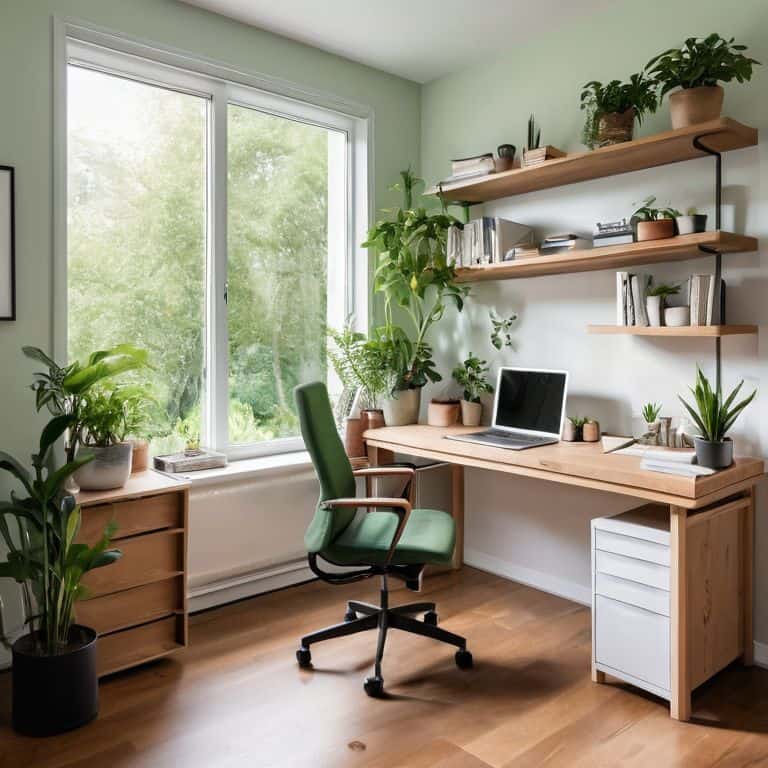
As I reflect on our journey through the realm of small office organization, I’m reminded of the transformative power of intentional design. We’ve explored the importance of compact office furniture, delved into the world of ergonomic workspace design hacks, and uncovered the secrets to navigating the unique challenges of tiny workspaces. By embracing these principles, you’ll not only maximize your productivity but also create a space that inspires creativity and fosters a sense of well-being. Whether you’re a remote worker, a freelancer, or simply someone who values a clutter-free environment, the tips and tricks we’ve discussed can help you turn your small office into a haven of productivity.
As you embark on your own small office organization journey, I encourage you to view this process as an opportunity for self-discovery and growth. Remember, the goal of organizing your space is not just about tidying up, but about creating a sanctuary that nurtures your mind, body, and spirit. So, take a deep breath, let your imagination run wild, and watch as your tiny workspace transforms into a vibrant hub of inspiration and creativity. And when you need a reminder of the possibilities, just glance at the travel-themed charm on your desk – a symbol of the incredible adventures that await you, both within and beyond your newly organized sanctuary.
Frequently Asked Questions
How can I maximize storage in a small office without making it look cluttered?
To maximize storage without the clutter, I swear by vertical shelves and hidden compartments. In my own tiny workspace, I’ve installed wall-mounted shelves for books and decor, keeping floors clear. I also use storage ottomans and file cabinets with sleek designs to maintain a sense of openness, making my small office feel like a serene retreat amidst the chaos.
What are some creative ways to use vertical space in a compact office?
As I’ve learned from backpacking through national parks, making the most of limited space is an art. In a compact office, vertical space is a treasure waiting to be uncovered. Consider installing wall-mounted shelves, hooks, or a pegboard to maximize storage and keep your floor clear, much like I use my trusty backpack’s compartments to stay organized on the trail.
Are there any specific ergonomic considerations I should keep in mind when designing a small office workspace?
As I’ve learned from my backpacking adventures, a well-designed workspace can be a haven. When it comes to ergonomics in small offices, consider the proximity of your chair, desk, and computer to avoid straining your neck and back. I like to think of it as setting up camp – everything within easy reach, with plenty of natural light to keep you energized and focused.