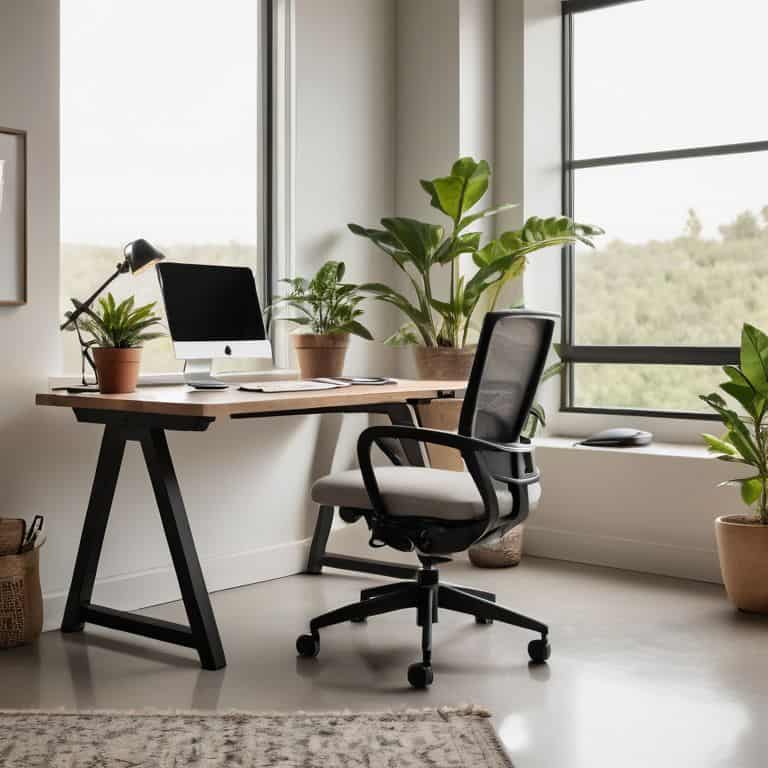
I still remember the first time I realized the importance of ergonomics in my own workspace. I was working as an HR manager, spending long hours at my desk, and started to notice the toll it was taking on my body. The constant back pain and fatigue were not only affecting my productivity but also my overall well-being. It was then that I discovered the power of a well-designed workspace, and how it can drastically improve our daily lives. From the height of my monitor to the comfort of my chair, every detail mattered. As someone who’s passionate about helping others find their true calling, I believe that ergonomics is not just about creating a comfortable workspace, but also about empowering individuals to perform at their best.
As a career coach, I’ve seen many people struggle with the concept of ergonomics, often thinking it’s just about buying an expensive chair or desk. But it’s so much more than that. In this article, I promise to provide you with honest and experience-based advice on how to create a workspace that truly supports your well-being and productivity. I’ll share my own stories, as well as tips and tricks I’ve learned along the way, to help you create a space that inspires you to do your best work. Whether you’re a freelancer, entrepreneur, or simply looking to improve your home office, I’m committed to helping you understand the importance of ergonomics and how it can transform your work life.
Table of Contents
Unlock Ergonomics

As I sit at my desk, surrounded by my vintage typewriters, I’m reminded of the importance of creating a comfortable and healthy workspace. Office chair ergonomics play a significant role in this, as a well-designed chair can help prevent musculoskeletal disorders and reduce eye strain. I’ve seen many clients who have made the switch to an ergonomic chair and noticed a significant improvement in their overall well-being.
When it comes to setting up your workstation, there are a few key things to keep in mind. Standing desk benefits are numerous, and I always recommend considering a sit-stand desk for clients who spend a lot of time at their computer. This can help prevent eye strain and reduce the risk of developing musculoskeletal disorders. Additionally, taking regular breaks to stretch and move around can make a big difference in your overall health and productivity.
By incorporating active sitting techniques into your daily routine, you can stay focused and energized throughout the day. This might include taking a short walk or doing a few stretching exercises at your desk. I also recommend paying attention to your workstation layout tips, making sure that your monitor, keyboard, and mouse are all positioned in a way that promotes good posture and reduces strain on your body. By making a few simple changes to your workspace, you can create a healthy and comfortable environment that supports your overall well-being.
Standing Tall Desk Benefits for Body
As I sit at my vintage typewriter, I often think about how our workspace can greatly impact our productivity and overall well-being. One often overlooked aspect is the humble desk, which can be a game-changer for our bodies if used correctly. By incorporating a standing desk or a sit-stand workstation, we can significantly reduce the risk of back and neck pain.
Using a standing desk can help improve our posture, allowing us to work with more energy and focus throughout the day. It’s amazing how such a simple adjustment can have a profound impact on our overall health and happiness, enabling us to type away with renewed enthusiasm and creativity.
Type Away Friend Office Chair Ergonomics
As I sit here at my vintage typewriter, I’m reminded of the importance of a good office chair. You see, proper posture can make all the difference in your workday, and it starts with the right seat. I’ve seen clients who’ve struggled with back pain and fatigue, only to find relief after switching to an ergonomic chair.
A well-designed office chair can be a game-changer for your productivity and overall well-being. It’s not just about looks; it’s about finding a chair that supports your unique needs and work style. Whether you’re a writer, like me, or a software developer, a good chair can help you stay focused and comfortable throughout the day.
Ergonomic Bliss Found
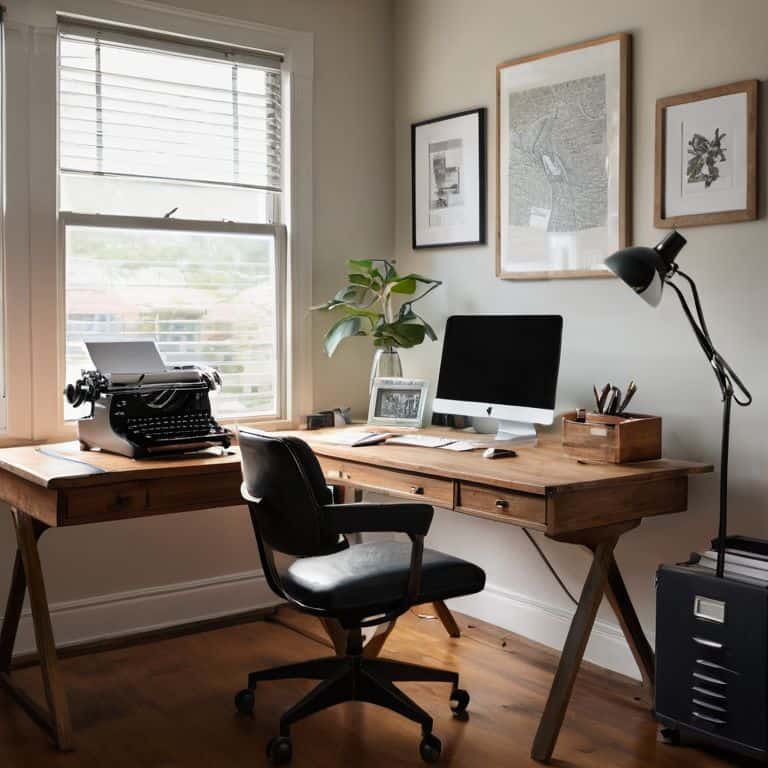
As I sit here at my vintage typewriter collection, I’m reminded of the importance of creating a comfortable and healthy workspace. Proper workstation layout is crucial in preventing musculoskeletal disorders and reducing eye strain. By positioning your computer monitor at a comfortable distance and height, you can avoid straining your neck and eyes. I’ve seen many clients benefit from simple adjustments like this, and it’s amazing how much of a difference it can make in their overall well-being.
When it comes to active sitting techniques, there are many options available. From balance balls to ergonomic stools, these tools can help you stay engaged and focused throughout the day. By incorporating movement into your work routine, you can improve your posture and reduce the risk of injury. I’ve found that many of my clients who have made the switch to active sitting have reported increased energy levels and a sense of accomplishment.
In my experience as a career coach, I’ve seen firsthand how a well-designed workspace can impact productivity and job satisfaction. By prioritizing eye strain prevention and taking regular breaks to stretch and move, you can stay focused and motivated. Whether you’re working from a traditional office or a home office, it’s essential to create a space that supports your physical and mental health.
Active Sitting Musculoskeletal Disorder Prevention
As I sit here at my vintage typewriter, I’m reminded of the importance of proper posture in preventing musculoskeletal disorders. When we’re actively sitting, our bodies are able to maintain a healthy alignment, reducing the risk of strain and injury. This, in turn, can boost our overall productivity and focus, allowing us to tackle even the most daunting tasks with ease.
By incorporating movement into our sitting routine, we can keep our muscles engaged and prevent stagnation. Whether it’s through a balance ball chair or a sit-stand desk, finding ways to stay active while sitting can have a significant impact on our overall well-being, and I’ve seen it make a real difference in the lives of my clients.
Preventing Eye Strain Healthy Habits
As I sit at my vintage typewriter collection, I’m reminded of the importance of taking care of our eyes. Proper lighting is essential to prevent eye strain, and it’s something that’s often overlooked in our daily work routines. By ensuring that our workspaces are well-lit, we can reduce the risk of eye fatigue and maintain our focus throughout the day.
To develop healthy habits, it’s crucial to follow the 20-20-20 rule: every 20 minutes, look away from your screen and focus on something 20 feet away for 20 seconds. This simple technique can help reduce eye strain and prevent long-term damage, allowing you to stay focused and productive throughout your workday.
Ergonomic Essentials: 5 Tips to Boost Your Workspace
- Adjust Your Lighting: Position your computer to avoid glare and use good lighting to reduce eye strain
- Choose the Right Tools: Select a keyboard and mouse that fit comfortably in your hands and allow for smooth movement
- Take Breaks to Move: Schedule regular breaks to stand up, stretch, and move around to reduce the risk of musculoskeletal disorders
- Optimize Your Monitor: Place your monitor directly in front of you, at a distance of about 20-25 inches, and at a height that allows you to gaze slightly downward
- Prioritize Comfortable Seating: Invest in an ergonomic chair that supports your back and legs, and adjust it to fit your body to reduce discomfort and increase productivity
Ergonomic Essentials to Remember
Prioritize your office chair ergonomics by adjusting the height, lumbar support, and armrests to fit your body, promoting good posture and reducing back pain
Combine standing and sitting throughout the day to reap the benefits of improved circulation, boosted energy, and a lower risk of musculoskeletal disorders
Develop healthy habits like following the 20-20-20 rule to prevent eye strain, and incorporate active sitting techniques to keep your muscles engaged and prevent discomfort
Ergonomic Wisdom
By investing in ergonomic practices, you’re not just designing a workspace – you’re crafting a foundation for a healthier, happier, and more productive you, one intentionally placed keyboard at a time.
Emily Thompson
Embracing Ergonomic Excellence
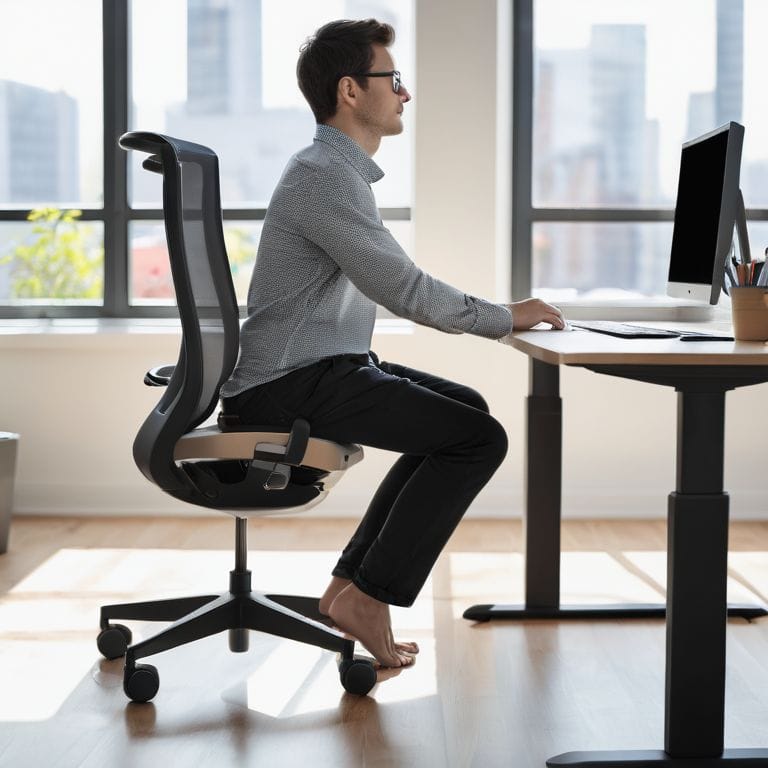
As we’ve explored the world of ergonomics together, I hope you’ve gained a deeper understanding of how proper chair height and active sitting can transform your work experience. From the benefits of standing desks to the importance of preventing eye strain, it’s clear that ergonomics is not just about comfort, but also about long-term health. By implementing these simple yet powerful changes, you can take the first steps towards creating a workspace that truly supports your well-being and productivity.
So, as you continue on your journey to ergonomic bliss, remember that every small adjustment counts, and that investing in your physical and mental health is the key to unlocking your full potential. Don’t be afraid to get creative and try out new arrangements – your body, and your career, will thank you. With a little experimentation and patience, you can type your way to a happier, healthier, and more fulfilling professional life.
Frequently Asked Questions
How can I apply ergonomic principles to my home workspace?
To apply ergonomic principles to your home workspace, start by assessing your chair, desk, and computer setup. Ensure your chair height and monitor angle promote good posture, and consider a standing desk or ergonomic accessories to enhance comfort and reduce strain.
What are some common ergonomic mistakes that people make at their desks?
I’ve seen folks make some common mistakes at their desks, like poor posture, inadequate monitor height, and insufficient wrist support. These oversights can lead to discomfort, fatigue, and even long-term damage. Let’s get you set up for success and comfort, shall we?
Can investing in ergonomic furniture really make a difference in my productivity and overall well-being?
Absolutely, investing in ergonomic furniture can be a total game-changer for your productivity and well-being! I’ve seen clients experience reduced eye strain, improved posture, and even boosted energy levels after making the switch. It’s all about creating a workspace that supports your unique needs and helps you stay focused and comfortable throughout the day.