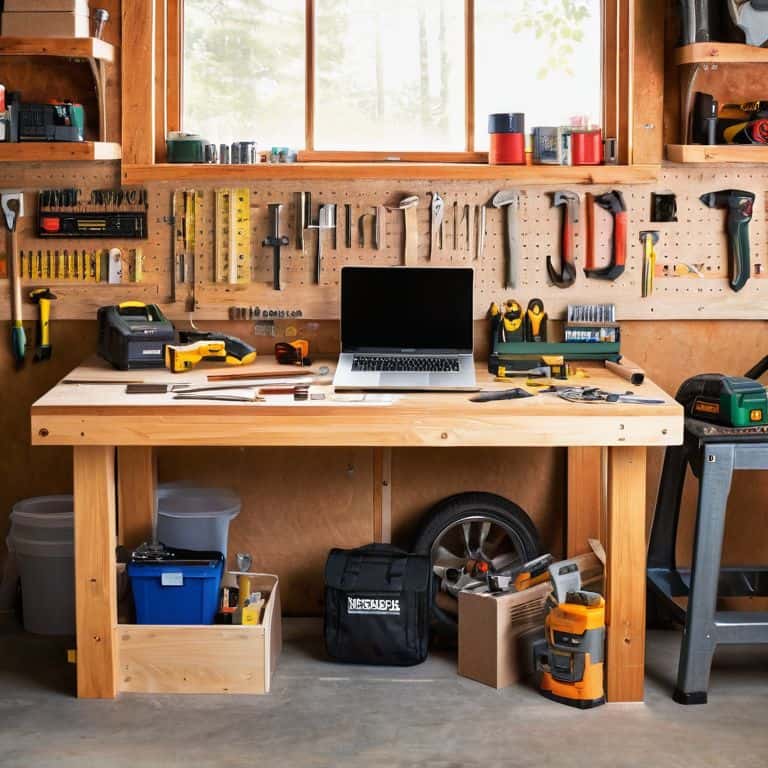
I still remember the day I found myself stuck in a DIY time management nightmare, surrounded by half-finished projects and scattered tools in my family’s old hardware store. It was then that I realized the common myth – that being a DIY enthusiast means having all the time in the world to tinker and create – is just that, a myth. In reality, effective DIY time management is what separates the hobbyists from the masters, and it’s a skill that can be learned with the right mindset and strategies.
As someone who’s been in the trenches, I’m excited to share my practical advice on how to streamline your DIY workflow and make the most of your time. In this article, I’ll walk you through my favorite DIY time management hacks, from prioritizing tasks to minimizing distractions, and show you how to apply them to your own projects. Whether you’re a seasoned DIYer or just starting out, you’ll learn how to create a schedule that works for you, not against you, and finally bring those creative ideas to life.
Table of Contents
Guide Overview: What You'll Need

Total Time: 1 hour 30 minutes
Estimated Cost: $0 – $10
Difficulty Level: Easy
Tools Required
- Pen (for writing)
- Paper (for note-taking)
Supplies & Materials
- Calendar (physical or digital)
- Timer (optional)
Step-by-Step Instructions
- 1. First, let’s get started with setting clear goals for our DIY projects. This means taking some time to reflect on what we want to achieve and prioritizing our tasks accordingly. I like to use a old-school planner or a notes app on my phone to jot down my objectives and break them down into smaller, manageable chunks. It’s amazing how much of a difference this simple step can make in helping us stay focused and motivated.
- 2. Next, we need to create a schedule that works for us. As a DIY enthusiast, I know it can be tempting to dive headfirst into a project and worry about the details later. However, having a solid plan in place can help us avoid burnout and ensure that we’re making progress on our goals. I recommend setting aside dedicated blocks of time for working on our projects, and being realistic about how long each task will take.
- 3. Now that we have our goals and schedule in place, it’s time to declutter our workspace. There’s nothing more frustrating than trying to work on a project when our surroundings are chaotic and disorganized. Take some time to tidy up your workshop or crafting area, and get rid of any unnecessary tools or materials that are just getting in the way. Trust me, this simple step can be a total game-changer for our productivity.
- 4. The next step is to optimize our toolkit. As DIY enthusiasts, we often accumulate a lot of different tools and gadgets over time. However, having too many options can actually make it harder to get started on a project. Take some time to assess your toolkit and get rid of anything that’s redundant or unnecessary. This will help you stay focused and ensure that you’re using the right tools for the job.
- 5. Once we have our toolkit in order, it’s time to break down big projects into smaller tasks. This is a key strategy for making progress on complex DIY endeavors. By dividing our projects into smaller, more manageable tasks, we can avoid feeling overwhelmed and make steady progress towards our goals. I like to use a mind mapping technique to visualize my projects and identify the key tasks that need to be completed.
- 6. Another important step is to establish a “stop doing” list. As DIY enthusiasts, we often get caught up in the excitement of a new project and take on too much at once. However, this can lead to distractions and decreased productivity. Take some time to think about what tasks or activities are not essential to your project, and make a conscious decision to stop doing them. This could be anything from checking social media to getting bogged down in minor details.
- 7. Finally, let’s talk about the importance of taking breaks and practicing self-care. As DIY enthusiasts, we often push ourselves to work long hours on our projects, but this can lead to burnout and decreased motivation. Make sure to schedule regular breaks into your day, and prioritize activities that bring you joy and relaxation. Whether it’s going for a walk, reading a book, or simply enjoying a cup of coffee, taking time to recharge can help us stay focused and motivated in the long run.
Mastering Diy Time Management
As I delve into the world of DIY projects, I’ve come to realize that effective daily routines are the backbone of a successful undertaking. By prioritizing tasks and allocating specific time slots for each activity, I can ensure that my projects stay on track. I’ve also learned to employ task prioritization techniques, focusing on the most critical tasks first and then moving on to less pressing ones. This approach has helped me avoid procrastination and stay motivated throughout the project.
To stay organized, I rely on using calendars for organization, which helps me keep track of deadlines and appointments. I also make it a point to minimize digital distractions by setting aside device-free time blocks, allowing me to fully concentrate on my projects. By doing so, I can work more efficiently and make the most of my time.
When it comes to setting goals, I believe in setting realistic goals and deadlines. This approach helps me avoid feeling overwhelmed and allows me to break down larger projects into manageable chunks. By doing so, I can maintain a sense of control and direction, ensuring that my DIY endeavors are both enjoyable and successful.
Beating Procrastination Setting Realistic Goals
So, you’ve got your daily routine down, but somehow, you still find yourself putting off that DIY project. I’ve been there too, friend! The key is to set realistic goals that get you excited, not overwhelmed. Break down your project into smaller, manageable tasks, and give yourself a deadline for each one. For me, it’s all about finding that sweet spot where challenge meets fun. When I’m working on a new upcycling project, I like to set a timer for 25 minutes and challenge myself to complete a specific task, like disassembling an old dresser or sanding down a wooden plank.
This technique helps me stay focused and avoid burnout. By setting achievable goals, you’ll be amazed at how much you can accomplish, and the sense of pride you’ll feel will be the ultimate motivator to keep you going. Plus, it’s a great way to discover your own rhythm and work style, making it easier to tackle even the most daunting DIY tasks.
Taming Tasks Effective Daily Routines
To truly master DIY time management, it’s essential to establish effective daily routines that set you up for success. For me, it starts with a morning ritual that gets my creative juices flowing – whether that’s sipping coffee while scrolling through design inspiration or tackling a small, manageable task to build momentum. By prioritizing these daily habits, I’m able to tackle larger projects with a clear mind and a sense of purpose.
I also swear by my trusty “task tamer” notebook, where I break down big projects into bite-sized, actionable steps. This simple act of putting pen to paper helps me visualize my goals and make steady progress, even on the most chaotic of days. By combining these daily routines with a dash of creativity and flexibility, you’ll be amazed at how much more you can accomplish – and still have time to hunt for those unique thrift store finds that make your projects truly special.
Hammering Out Productivity: 5 DIY Time Management Tips to Nail Your Projects
- Set Your Sights: Start each day by prioritizing your DIY tasks, and tackle the most challenging or time-sensitive projects first
- Tool Up Your Schedule: Use a planner, app, or calendar to stay organized and on track, and don’t be afraid to adjust your schedule as needed
- Get a Grip on Procrastination: Break down large tasks into smaller, manageable chunks, and reward yourself for completing each one
- Build a Buffer: Leave some wiggle room in your schedule for unexpected setbacks or tasks that take longer than expected
- Take a Step Back: Regularly evaluate your progress, and don’t be too hard on yourself if things don’t go according to plan – after all, DIY is all about experimentation and learning
Key Takeaways to Boost Your DIY Productivity
By implementing a daily routine that balances work and play, you can stay focused on your DIY projects and make steady progress without burning out
Setting realistic goals and breaking them down into smaller, manageable tasks helps to overcome procrastination and maintain momentum in your DIY endeavors
Embracing a flexible mindset and being open to adjusting your schedule as needed can help you navigate unexpected setbacks and stay on track to completing your DIY projects
Time to Get Creative
The key to mastering DIY time management isn’t about having more hours in the day, it’s about turning every hour into a chance to build something new, to learn, and to create – because when you’re doing what you love, time becomes your most valuable tool, not your biggest obstacle.
Liam Harrington
Wrapping Up: DIY Time Management Mastery
As we’ve explored the world of DIY time management, it’s clear that mastering our daily routines and setting realistic goals are crucial to bringing our projects to life. We’ve discussed the importance of creating a schedule that works for us, not against us, and how breaking down large tasks into smaller, manageable chunks can help us stay on track. By implementing these strategies and finding a rhythm that suits our unique needs, we can tame our to-do lists and make steady progress on our DIY endeavors. Whether you’re a seasoned pro or just starting out, remember that DIY time management is all about finding a balance that lets you enjoy the process as much as the end result.
So, as you embark on your next DIY adventure, remember that it’s okay to take your time and that every small step forward is a step in the right direction. Don’t be too hard on yourself if things don’t go exactly as planned – embracing the journey is just as important as reaching the finish line. With a little creativity, patience, and persistence, you’ll be well on your way to transforming your spaces and making your DIY dreams a reality. Happy building, and don’t forget to wear your lucky socks!
Frequently Asked Questions
How can I prioritize my DIY projects when I have limited time and multiple tasks to complete?
When time is tight, I prioritize my DIY projects by making a ‘must-make’ list, focusing on the ones that’ll have the biggest impact or are closest to deadline. I also break down larger tasks into smaller, manageable chunks, and tackle the most critical ones first – it’s all about balance and baby steps, my friend!
What are some common DIY time management mistakes that I should avoid to ensure my projects are completed efficiently?
Hey, friend! Let’s talk common DIY time management mistakes. I’ve been there, done that, and got the mismatched socks to prove it. Don’t fall into the trap of underestimating project time, overcommitting, or poor task prioritization. Trust me, been there, and it’s a recipe for disaster. Stay focused, set realistic goals, and you’ll be rocking that DIY project in no time!
Are there any specific DIY time management tools or apps that can help me stay organized and on track with my projects?
I swear by apps like Trello and Todoist – they’re total game-changers for keeping my DIY projects on track. I also love using a good ol’ fashioned planner to stay organized and focused. And, let’s be real, a trusty timer is a must-have for avoiding those pesky procrastination pitfalls!