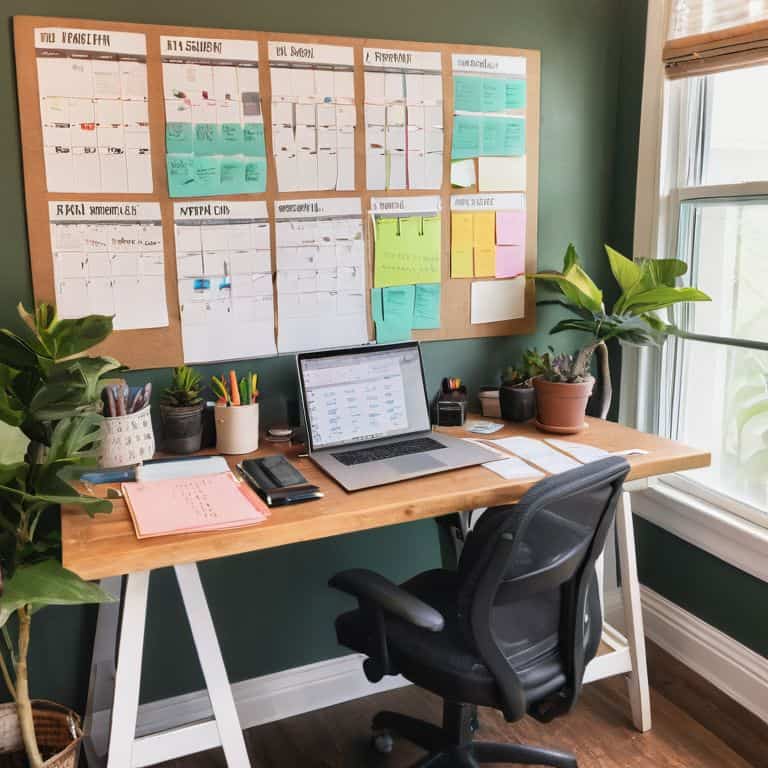
I still remember the day I decided to take matters into my own hands and tackle a DIY project that had been lingering in my mind for months. It was a simple renovation of my backyard, but it quickly turned into a complex puzzle of timelines, budgets, and to-do lists. That’s when I realized that effective DIY project management is just as important as having the right tools and materials. As someone who’s passionate about DIY and has spent years honing my skills in interior design, I’ve learned that DIY project management is not just about checking boxes on a list, but about bringing your vision to life.
In this article, I’ll share my personal approach to DIY project management, which is all about embracing creativity and flexibility. You’ll learn how to break down complex projects into manageable tasks, how to create a realistic timeline and budget, and how to stay motivated and focused throughout the process. My goal is to provide you with practical advice and actionable tips that you can apply to your own DIY projects, whether you’re a seasoned pro or a beginner. By the end of this article, you’ll be equipped with the knowledge and confidence to tackle even the most daunting DIY projects and turn them into something truly amazing.
Table of Contents
Guide Overview: What You'll Need

Total Time: 2 hours 30 minutes
Estimated Cost: $0 – $100
Difficulty Level: Intermediate
Tools Required
- Computer (with internet connection)
- Project Management Software (optional)
- Spreadsheet Program (e.g., Microsoft Excel)
- Notebook (for note-taking)
- Pen (or pencil)
Supplies & Materials
- Paper (for printing documents)
- Binder (for organizing documents)
- Tab Dividers (for categorizing tasks)
- Whiteboard (optional)
- Markers (for whiteboard use)
Step-by-Step Instructions
- 1. First, let’s get organized by gathering all the necessary tools and materials for our project. This includes a trusty notebook, a set of colorful pens, and a stack of sticky notes to help us brainstorm and keep track of our ideas. I like to think of this step as the foundation of our DIY project management journey, where we set the stage for a successful and stress-free experience.
- 2. Next, we need to define our project scope by identifying the key objectives, timelines, and resource requirements. This involves asking ourselves some tough questions, like what we want to achieve, how much time and money we’re willing to invest, and what kind of support we’ll need along the way. By taking the time to clarify our goals and expectations, we can create a clear roadmap for our project and avoid potential pitfalls.
- 3. Now it’s time to break down the task list into smaller, manageable chunks. This is where we take our big, lofty goals and turn them into actionable steps that we can tackle one by one. I like to use a combination of to-do lists, calendars, and project management apps to stay on track and ensure that everything gets done on time. By focusing on one task at a time, we can make steady progress and celebrate our small wins along the way.
- 4. With our task list in hand, we can start assigning priorities and deadlines to each item. This involves evaluating the importance and urgency of each task, and scheduling them accordingly. I like to use a simple numbering system, where tasks are ranked from 1 to 5 based on their level of priority. By prioritizing our tasks effectively, we can ensure that we’re focusing on the most critical elements of our project and making the most of our time and resources.
- 5. As we work our way through our task list, it’s essential to track our progress and make adjustments as needed. This involves regularly reviewing our project schedule, updating our task list, and celebrating our successes. I like to use a project journal to reflect on my progress, identify areas for improvement, and brainstorm new ideas. By staying on top of our project’s progress, we can identify potential roadblocks and make course corrections before it’s too late.
- 6. Next, we need to establish a budget and stick to it. This involves setting a realistic budget for our project, tracking our expenses, and making adjustments as needed. I like to use a simple spreadsheet to keep track of my expenses, and set reminders to review my budget regularly. By being mindful of our spending, we can avoid financial stress and ensure that our project stays on track.
- 7. Finally, let’s not forget to have fun and be flexible. DIY project management is all about embracing the unknown, trying new things, and learning from our mistakes. I like to think of this step as the most important one, where we give ourselves permission to experiment, take risks, and enjoy the journey. By staying positive, adaptable, and open-minded, we can turn our DIY project into a rewarding and enjoyable experience that brings us joy and satisfaction.
Mastering Diy Project Management

As I delve into the world of personal project planning tools, I’ve come to realize that having the right strategies in place can make all the difference. For me, it’s about finding a balance between creativity and organization. I like to use a mix of digital and analog tools to stay on top of my projects, from customizable project templates to old-school to-do lists. By combining these approaches, I can ensure that my projects stay on track and that I’m always moving forward.
One of the most important aspects of successful project planning is effective task delegation techniques. As a DIY workshop instructor, I’ve learned that empowering others to take ownership of their work is key to achieving great results. By clearly communicating expectations and providing the necessary resources, I can trust that my team will get the job done. This not only helps to distribute the workload but also fosters a sense of community and collaboration.
To take my project planning to the next level, I’ve started exploring project timeline management software. This has been a game-changer for me, as it allows me to visualize my projects and make adjustments on the fly. By having a clear understanding of my project’s timeline, I can better anticipate potential roadblocks and develop self-motivated productivity strategies to overcome them. With the right tools and mindset, I’m confident that anyone can bring their DIY projects to life and achieve their goals.
Boosting Productivity With Task Delegation Techniques
When it comes to tackling a DIY project, I’ve learned that having a solid team behind you can make all the difference. That’s why I swear by task delegation techniques to boost productivity. By assigning tasks to friends or family members, you can not only share the workload but also bring in fresh perspectives and skills. For instance, if you’re building a treehouse, you can delegate tasks like gathering materials, constructing the frame, or adding the finishing touches.
I like to use a shared to-do list or a project management app to keep everyone on track and ensure that tasks are completed on time. It’s amazing how much more you can accomplish when you work together and play to each other’s strengths. Plus, it’s a great way to spend quality time with loved ones while creating something truly special.
Unlocking Personal Project Planning Tools
For me, the key to unlocking personal project planning tools is all about experimentation and flexibility. I love diving into different methods, from analog to digital, to find what works best for each project. My trusty notebook and pencil are always by my side for brainstorming, but I also swear by apps like Trello for organizing tasks and deadlines. It’s all about finding that sweet spot where creativity meets productivity.
I’ve developed my own hybrid approach over the years, combining traditional tools like Gantt charts with more unconventional methods, like mind mapping and free writing. By mixing and matching these techniques, I can tailor my planning process to each unique project, whether it’s upcycling an old dresser or designing a entire room renovation. This adaptability has been a game-changer for my DIY projects, allowing me to stay focused, motivated, and – most importantly – creative.
Hammering Out Success: 5 Essential DIY Project Management Tips
- Set Clear Goals and Deadlines, But Don’t Be Afraid to Get a Little Messy Along the Way
- Use a ‘Treasure Map’ – aka a Visual Project Planner – to Plot Your Course and Track Progress
- Prioritize Tasks Like a Pro: Focus on the Most Critical Components First, Then Get Creative with the Rest
- Embrace the Art of Upcycling Your Time: Repurpose Unused Moments, Like Commutes or Lunch Breaks, to Stay on Top of Your Game
- Schedule Regular ‘Toolbox Talks’ with Yourself to Reflect, Adjust, and Celebrate the Wins – No Matter How Small They May Seem
Key Takeaways for DIY Project Management Mastery
Embracing a hands-on approach to project management allows you to tap into your creative potential, turning everyday tasks into opportunities for innovation and self-expression
By leveraging personal project planning tools and task delegation techniques, you can streamline your workflow, reduce stress, and bring your most ambitious DIY projects to life
Remember, the true power of DIY project management lies in its flexibility and adaptability – don’t be afraid to experiment, take risks, and learn from your mistakes as you continue to grow and evolve as a DIY mastermind
Embracing the Chaos
The beauty of DIY project management lies not in the plan, but in the pivot – it’s about embracing the unexpected twists and turns, and finding creative solutions to the problems that arise along the way.
Liam Harrington
Bringing Your DIY Vision to Life
As we wrap up our journey through the world of DIY project management, let’s take a moment to reflect on the key takeaways. We’ve explored the importance of mastering personal project planning tools, from spreadsheets to to-do lists, and delved into the art of boosting productivity with effective task delegation techniques. By embracing these strategies, you’ll be well on your way to transforming your DIY endeavors into successful, stress-free experiences. Whether you’re a seasoned pro or a curious newcomer, the principles of DIY project management are designed to be flexible and adaptable, allowing you to tailor them to your unique needs and style.
So, as you embark on your next DIY adventure, remember that the true power lies not in the tools or techniques, but in your own creative vision. Don’t be afraid to think outside the box, to experiment, and to push the boundaries of what’s possible. With a clear plan, a willingness to learn, and a dash of imagination, you’ll be amazed at what you can achieve. Happy building, makers!
Frequently Asked Questions
How can I effectively prioritize tasks in my DIY project to ensure it gets completed on time?
For me, prioritizing tasks is all about focusing on the most critical elements first – think ‘must-haves’ vs. ‘nice-to-haves.’ I make a list, then rank each task by importance and deadline. That way, I can tackle the high-impact stuff early on and save the fun, creative bits for later, ensuring my project stays on track and gets finished on time.
What are some essential tools or software that can help me streamline my DIY project management process?
For me, it’s all about keeping it simple and intuitive – I swear by Trello for organizing tasks and Asana for delegating to my team. But, let’s be real, sometimes a good ol’ fashioned spreadsheet and a whiteboard can be just as effective in keeping my DIY projects on track!
How do I handle unexpected setbacks or changes in my DIY project plan without getting discouraged or losing momentum?
When unexpected setbacks hit, I take a deep breath, reassess, and get creative. I ask myself, ‘What can I salvage?’ or ‘How can I repurpose this?’ It’s all about rolling with the punches and finding opportunities in obstacles. Remember, DIY is about experimentation and learning – don’t be too hard on yourself, and just keep on building!