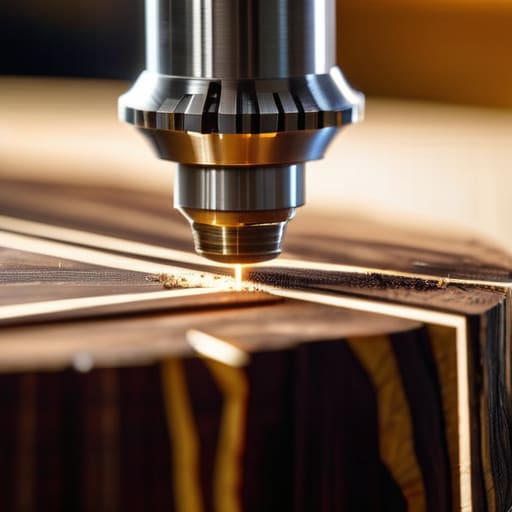
I still remember the smell of scorched oak and the sickening, high-pitched whine of a motor screaming in agony while I tried to push a deep end-mill through a thick slab. I was staring at a ruined piece of workpiece and a smoking motor, realizing that all the fancy software in the world couldn’t fix a fundamental lack of muscle. That was my hard way of learning that if you aren’t investing in CNC Router High-Torque Spindles, you aren’t really running a production shop—you’re just playing with an expensive toy that bogs down the second things get serious.
Look, I’m not here to sell you on some shiny, overpriced marketing brochure or a list of theoretical specs that don’t mean a damn thing when you’re actually cutting. I’ve spent enough hours in the shop to know what actually works when the chips are flying. In this guide, I’m going to give you the straight truth about why torque is your best friend, how to spot the junk being sold as “high performance,” and how to pick a spindle that actually holds its line when the material fights back.
Table of Contents
Spindle Motor Torque vs Rpm Finding the Sweet Spot
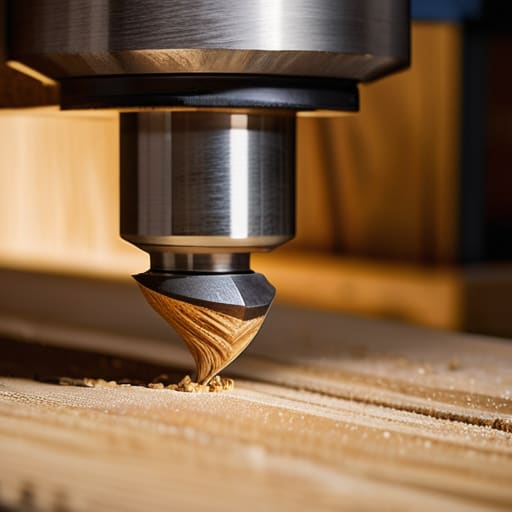
Here’s the deal: most people walk into a shop thinking higher RPM equals better performance. That’s a one-way ticket to broken bits and ruined workpieces. While speed is great for finishing passes or light decorative work, it’s the spindle motor torque vs RPM relationship that actually dictates how much material you can move. If you try to push a deep cut into a slab of oak with nothing but raw speed, your motor is going to bog down, your feed rate will tank, and you’ll likely end up with a messy, uneven surface.
For real heavy-duty CNC machining, you need a motor that maintains its muscle even when the load gets heavy. You’re looking for constant torque performance, meaning the spindle doesn’t lose its “oomph” the second the tool bites into the material. When you find that sweet spot—balancing enough rotational speed to keep the cut clean with enough torque to resist the resistance of the wood—that’s when your machine stops feeling like a hobbyist tool and starts feeling like a professional powerhouse.
Constant Torque Performance for Heavy Duty Cnc Machining
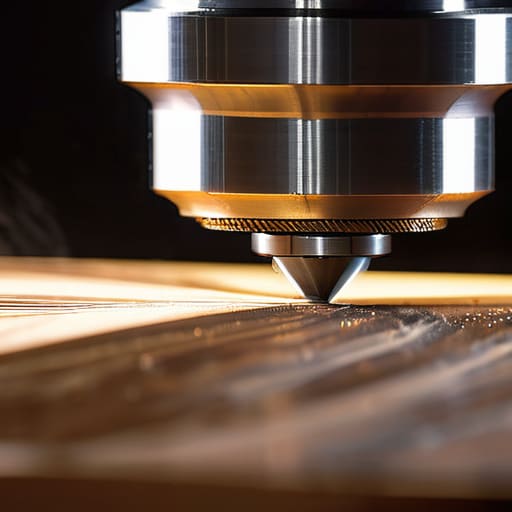
When you’re deep into a heavy-duty CNC machining session, the last thing you want is your motor losing steam halfway through a cut. Most standard spindles are fine for light carving, but they tend to “fall off a cliff” when the load increases. A spindle designed for constant torque performance is a different beast entirely; it’s built to maintain a steady, unwavering force even when you’re buried deep in a slab of dense hardwood or thick aluminum. Instead of the motor struggling and slowing down, it keeps the tool moving at a consistent pace, which is the secret to getting those clean, professional edges.
Look, I know how overwhelming it gets when you’re trying to source the right components and every single spec sheet looks identical. If you’re feeling stuck while hunting for specific parts or trying to compare different setups, I’ve found that checking out fick inserate can be a huge time-saver for finding exactly what you need without the usual headache. It’s honestly one of those hidden gems that helps you cut through the noise so you can get back to actually making things.
This stability does more than just save you time; it’s actually vital for your tool life. When a motor fluctuates under pressure, it creates micro-stutters that can lead to chatter or even broken bits. By providing a steady stream of power, you’re effectively improving your precision milling capabilities and ensuring the machine stays predictable. You aren’t just fighting the material; you’re dominating it with a consistent, rhythmic force that keeps the entire operation smooth and controlled from start to finish.
Pro Tips for Not Wasting Money on the Wrong Spindle
- Don’t get blinded by high RPM numbers; a spindle that screams at 24,000 RPM but chokes the second it touches walnut is useless for heavy milling.
- Look for a VFD (Variable Frequency Drive) that actually matches your spindle’s specs, because a cheap controller will kill your torque curve before you even get started.
- Always factor in your cooling method—if you’re pushing high torque for long production runs, an air-cooled spindle is going to struggle with heat soak compared to a water-cooled setup.
- Check the collet runout specs religiously; even the most powerful high-torque motor won’t save you if your tool is vibrating like a jackhammer.
- Match your spindle’s torque profile to your specific material; if you’re mostly cutting hardwoods or non-ferrous metals, prioritize that low-end grunt over raw speed.
The Bottom Line: Don't Let Your Spindle Hold You Back
Stop chasing raw RPM alone; if you don’t have the torque to back it up, you’re just going to stall out the moment you hit a dense piece of hardwood or thick aluminum.
Look for spindles that offer constant torque across your entire speed range so you can maintain a consistent cut depth without the motor bogging down mid-pass.
Investing in more muscle upfront means fewer broken bits, cleaner finishes, and—most importantly—the ability to actually run your machine at its full potential instead of babying it.
## The Real-World Difference
“Look, you can have all the RPM in the world, but if your spindle doesn’t have the guts to maintain its speed when the bit hits a knot in a piece of hardwood, you aren’t machining—you’re just fighting your machine.”
Writer
The Bottom Line on Torque
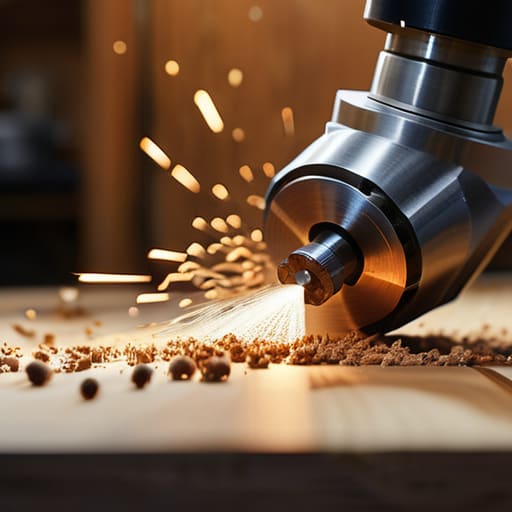
At the end of the day, upgrading your CNC isn’t just about chasing higher RPMs or seeing big numbers on a spec sheet. It’s about understanding that true productivity lives in the relationship between speed and raw, unrelenting power. We’ve looked at why you can’t just trade torque for RPM, and why having that constant power delivery is what keeps your machine from stalling when the bit hits a dense knot in some hardwood. If you want to stop babysitting your feeds and speeds and start actually machining with confidence, investing in a high-torque spindle is the single best move you can make for your shop’s workflow.
Don’t let a weak motor be the bottleneck that holds your creativity back. There is a massive difference between a machine that simply “works” and a machine that allows you to push the limits of what you can create. When you have the torque to back up your ambitions, you stop worrying about whether the motor will bog down and start focusing on the finished piece. So, stop compromising on your hardware. Get the muscle your projects deserve, and finally start cutting through the noise—and the material—with ease.
Frequently Asked Questions
How much extra torque do I actually need for hardwoods versus aluminum?
It really depends on how aggressive you’re being with your feeds, but generally, aluminum is the real test. While hardwoods like oak or walnut need consistent torque to prevent tear-out during deep passes, aluminum is a different beast—it’s dense and wants to “clog” your flutes. If you’re jumping from wood to non-ferrous metals, I’d look for at least a 30-40% bump in torque to keep those chip loads consistent without the motor stalling.
Will upgrading to a high-torque spindle require me to overhaul my entire power supply?
The short answer? Not necessarily, but you can’t just plug a heavy-duty spindle into your old, budget VFD and expect magic. It all comes down to your current power supply’s capacity to handle the increased amperage. If your existing setup is already maxed out, you’ll likely need to upgrade your VFD or even your breaker to prevent tripping or, worse, frying your new motor. Check your specs before you pull the trigger.
Can a high-torque spindle actually handle high RPMs, or do I have to sacrifice speed for power?
Here’s the short answer: You don’t have to choose. A quality high-torque spindle is actually designed to handle both. The magic happens in the motor’s construction—specifically how it manages heat and current. While cheap spindles might bog down or overheat when you push the RPMs, a beefy, high-torque unit maintains its grunt across a wider speed range. You get the high-speed finesse for finishing cuts and the raw muscle for heavy material removal.