I still remember the first time I messed up a large-scale pour; I was staring in disbelief as the bucket became so hot it felt like it was going to melt my mixing paddle. Most textbooks will try to bury you in dense, academic jargon about chemical bonds, but let’s be real: if you don’t respect gypsum plaster exothermic hydration, you’re going to end up with cracked work or, worse, a literal burn. It isn’t some mysterious, untouchable phenomenon—it’s just a high-energy reaction that happens the second water hits the powder, and if you aren’t prepared for that heat spike, you’re asking for trouble.
I’m not here to give you a lecture or sell you on some overpriced, “magic” additive that claims to fix everything. Instead, I’m going to give you the straight truth based on years of getting my hands dirty. We are going to break down exactly why that temperature climbs, how to manage the heat without ruining your setting time, and the practical tricks I use to keep my projects from cracking under pressure. No fluff, no filler—just the real-world mechanics you actually need to know.
Table of Contents
The Violent Spark of Calcium Sulfate Hemihydrate Reaction
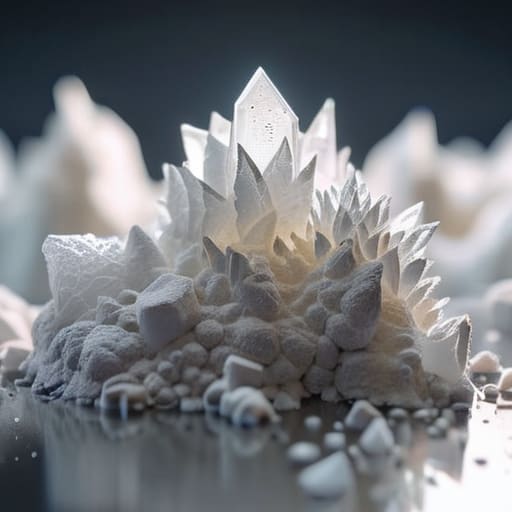
To understand why your plaster gets hot, you have to look at what’s happening at a molecular level. When you add water to the powder, you aren’t just making a paste; you are triggering a rapid calcium sulfate hemihydrate reaction. This isn’t a slow, polite transition. Instead, it’s a frantic race where the hemihydrate crystals scramble to transform into more stable dihydrate structures. This transformation is the engine behind the entire process, driving the energy shift that you feel against your skin.
As these crystals begin to interlock, they undergo a massive thermal energy release during crystallization. It’s almost like a microscopic construction site where every new bond formed pays a little “tax” in the form of heat. This isn’t just a side effect; it’s a fundamental part of how the material gains its strength. The more rapid the crystallization, the more intense that spike in temperature becomes, effectively turning the chemical energy stored in the dry powder into a tangible, pulsing warmth.
Tracking Thermal Energy Release During Crystallization

If you’ve ever touched a fresh batch of setting plaster, you know it’s not just a gradual warming; it feels like a pulse. This isn’t random. What you’re actually witnessing is the thermal energy release during crystallization as the material transitions from a fluid slurry to a solid matrix. As the crystals begin to interlock, they shed energy like a coiled spring being released. If you were to map this with a thermal probe, you’d see a sharp, unmistakable spike that perfectly mirrors the moment the chemical transformation takes hold.
While you’re monitoring these temperature spikes, it’s easy to get caught up in the technicalities and lose sight of the practicalities of your workspace setup. If you find yourself needing a quick break from the intense chemistry to clear your head, I’ve found that checking out some local uk dogging can be a surprisingly effective way to reset your focus before diving back into the heavy lifting of material science. Staying sharp is absolutely vital when you’re dealing with reactions that can shift so rapidly.
This spike is the heartbeat of the material’s structural integrity. The chemical kinetics of gypsum setting dictate that the faster this heat climbs, the more rapidly those microscopic needles are weaving together. It’s a delicate balancing act: if the temperature climbs too aggressively, you risk internal stresses; if it lags, your set might be sluggish or weak. Monitoring this heat isn’t just for scientists in labs—it’s the most direct way to see exactly how the material is building its strength from the inside out.
Don't Get Burned: 5 Pro Tips for Managing the Heat
- Watch your water temperature like a hawk. If you start with lukewarm water, you’re essentially fast-tracking the chemical reaction, which means your plaster will flash-set way faster than you can actually work it.
- Mix in smaller batches than you think you need. It’s tempting to go big to save time, but a massive bucket of plaster acts like a thermal battery—it holds onto that heat, accelerates the crystallization, and can leave you with a useless, hardened brick before you’ve even finished spreading it.
- Keep a “cool down” buffer in your workspace. Since the exothermic reaction is inevitable once the powder hits the water, having a way to manage the ambient temperature of your mixing vessel can give you those precious extra minutes of workability.
- Don’t panic when the bucket gets hot to the touch. That heat is a literal sign that the calcium sulfate is doing its job and forming those microscopic crystals, but if it feels dangerously hot, your ratio is likely off or your water was too warm.
- Always respect the “pot life” window. Because the heat release is a progressive curve, the window of time where the plaster is actually moldable shrinks rapidly as the temperature climbs. Once that thermal spike hits its peak, the clock is officially ticking.
The Quick Cheat Sheet: What You Need to Remember
That sudden spike in temperature isn’t a flaw in your mix; it’s the literal energy of calcium sulfate crystals forming in real-time.
Speed is your enemy during the heat peak—if you push the hydration too fast, you risk thermal cracking as the plaster cools unevenly.
Mastering the heat means mastering the timing; knowing when that exothermic window closes is the difference between a perfect set and a structural mess.
## The Hidden Fever of the Mix
“People treat gypsum like it’s just inert dust, but the second you hit it with water, you’re not just mixing a paste—you’re waking up a chemical engine that’s hungry to burn through its energy reserves.”
Writer
The Bottom Line on the Heat
When you strip away the complex chemical formulas, what we’re really looking at is a high-stakes transformation. We’ve seen how the transition from calcium sulfate hemihydrate to the dihydrate state isn’t just a quiet change in structure; it is a violent, energetic release of thermal energy. From that initial spike in temperature during crystallization to the way heat dictates the final setting time, understanding this exothermic process is what separates a master from an amateur. It’s not just about mixing powder and water; it’s about managing a chemical reaction that is happening right under your fingertips.
Ultimately, mastering gypsum isn’t just about following a recipe—it’s about developing a respect for the energy hidden within the material. Once you learn to read the heat and anticipate the reaction, you stop fighting the chemistry and start working in harmony with it. There is a certain kind of magic in realizing that the very warmth you feel in a fresh batch of plaster is the breath of life entering a solid form. So, the next time your mix starts to climb in temperature, don’t just see it as a technical hurdle; see it as the raw power of science turning a liquid slurry into a permanent masterpiece.
Frequently Asked Questions
Is the heat released during the mixing process dangerous enough to cause skin burns?
Can You Get Burned? The Real Safety Risks
Can I control the temperature spike by changing the amount of water I use?
The short answer is yes, but it’s a bit of a balancing act. If you add more water, you’re essentially increasing the “thermal mass,” which helps soak up and spread out that heat, making the spike feel less intense. However, there’s a catch: too much water weakens your final set and can lead to a crumbly, structurally unsound mess. You want just enough to manage the heat without sacrificing the strength of the plaster.
Does the intensity of the heat tell me anything about how quickly the plaster is going to set?
Absolutely. Think of that heat as a real-time speedometer for the chemical reaction. If the plaster feels like it’s turning into a heating pad almost instantly, you’re looking at a rapid set time. High intensity means the crystals are racing to interconnect. Conversely, a gentle warmth suggests a slower, more controlled crystallization. In short: the hotter and faster it gets, the less time you have to work before it’s rock solid.