
As I sat amidst the serene backdrop of Yellowstone National Park, surrounded by the gentle hum of nature, I stumbled upon a timeless tool that would forever change my approach to productivity: the Eisenhower Matrix. This simple, yet powerful decision-making tool has been a treasure trove for me, helping to prioritize tasks and navigate life’s most perilous seas. I’ve often found that many of us struggle with the notion that the Eisenhower Matrix is solely for the realm of business or corporate life, but I’m here to tell you that it’s so much more than that – it’s a personal compass that can be applied to every aspect of our lives.
In this guide, I’ll share with you the honest, no-hype advice I’ve garnered from using the Eisenhower Matrix in my own life, from backpacking through national parks to managing my blogging schedule. You’ll learn how to prioritize tasks effectively, how to distinguish between urgent and important tasks, and how to create a schedule that truly reflects your values and goals. By the end of this article, you’ll be equipped with the knowledge to apply the Eisenhower Matrix to your own life, and start navigating your busiest days with clarity and purpose. Whether you’re a fellow adventurer or simply looking to boost your productivity, this guide is for you – so let’s dive in and uncover the hidden gems of the Eisenhower Matrix together.
Table of Contents
- Guide Overview: What You'll Need
- Step-by-Step Instructions
- Navigating Eisenhower Matrix
- Charting Your Course: 5 Essential Tips for Mastering the Eisenhower Matrix
- Key Takeaways for Mastering the Eisenhower Matrix
- A Matrix of Clarity
- Embracing the Eisenhower Matrix: A Path to Productivity
- Frequently Asked Questions
Guide Overview: What You'll Need

Total Time: 30 minutes to 1 hour
Estimated Cost: $0 – $10
Difficulty Level: Easy
Tools Required
- Pen (or pencil)
- Paper (or whiteboard)
- Ruler (for drawing a grid)
Supplies & Materials
- Sticky Notes (optional)
- Marker (optional)
Step-by-Step Instructions
- 1. First, let’s start by understanding the core concept of the Eisenhower Matrix, which is to divide your tasks into four quadrants based on their urgency and importance. This simple yet powerful tool helps you focus on what really matters, allowing you to prioritize your tasks more effectively.
- 2. To create your own Eisenhower Matrix, begin by drawing a large square on a piece of paper or using a digital tool to create a grid. Divide the square into four quadrants by drawing two lines that intersect in the middle, one vertical and one horizontal. Label the top left quadrant Urgent and Important, the top right quadrant Not Urgent but Important, the bottom left quadrant Urgent but Not Important, and the bottom right quadrant Not Urgent and Not Important.
- 3. Next, take some time to brainstorm a list of all the tasks you need to complete, both personal and professional. Don’t worry about prioritizing them at this stage; just focus on getting everything down on paper. This could include tasks like responding to emails, meeting deadlines, exercising, or spending time with family.
- 4. Now, start placing each task into one of the four quadrants based on its level of urgency and importance. Be honest with yourself about each task – if it’s not truly urgent, don’t place it in the urgent quadrant just because you feel like it needs to be done quickly. Remember, the goal is to focus on what’s truly important and urgent.
- 5. Once you’ve placed all your tasks into the quadrants, it’s time to take action. Start with the tasks in the Urgent and Important quadrant, as these need your immediate attention. Work on these tasks first, and try to complete them as quickly as possible. Then, move on to the tasks in the Not Urgent but Important quadrant, which are crucial for long-term goals and should be scheduled into your daily or weekly routine.
- 6. For tasks that fall into the Urgent but Not Important quadrant, delegate or automate them whenever possible. These tasks can be distractions and don’t contribute significantly to your long-term goals. If you can’t delegate or automate them, try to minimize the time you spend on these tasks.
- 7. Finally, be ruthless about eliminating tasks that fall into the Not Urgent and Not Important quadrant. These tasks are often time wasters and can cause significant stress and anxiety. By eliminating them, you can free up more time to focus on what’s truly important and achieve a better work-life balance.
Navigating Eisenhower Matrix
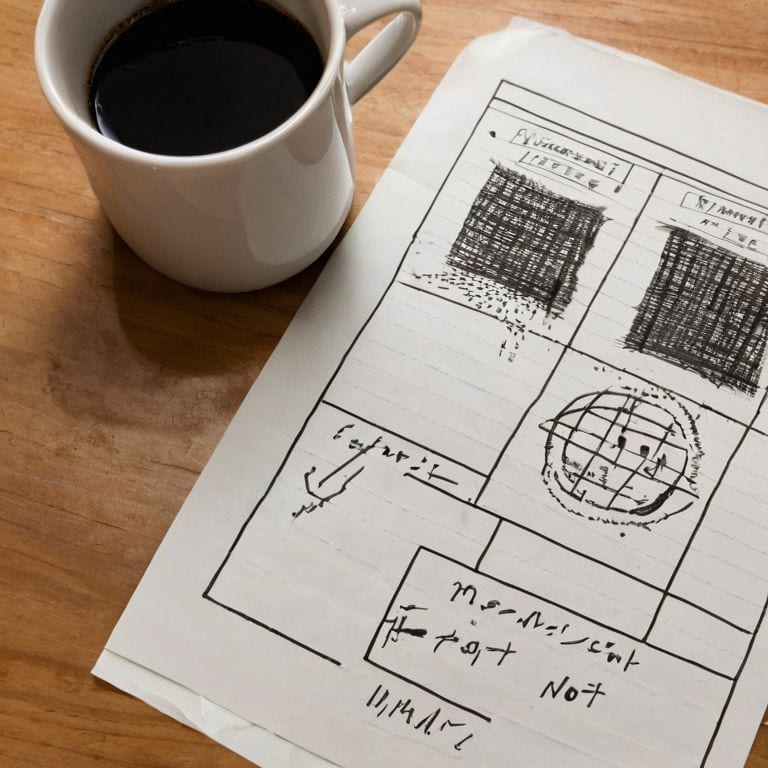
As I delve into the world of task management, I’ve found that understanding the nuances of urgent vs important tasks is crucial for effective priority management. When using the Eisenhower Matrix, it’s essential to recognize that urgent tasks often demand immediate attention, but may not necessarily be important in the grand scheme. On the other hand, important tasks may not be urgent, but they can have a significant impact on our long-term goals. By categorizing tasks into these quadrants, we can better allocate our time and energy.
To take it a step further, I’ve incorporated time blocking techniques into my daily routine, scheduling specific time slots for tasks that fall into each quadrant. This approach has helped me avoid burnout and maintain a healthy work-life balance. By dedicating focused time to each task category, I can ensure that I’m making progress on my goals without getting bogged down by non-essential activities.
As I reflect on my experiences with the Eisenhower Matrix, I’ve come to realize the importance of priority management tools in achieving success. By leveraging these tools, we can clarify our goals, prioritize our tasks, and create a roadmap for achieving our objectives. Whether it’s through matrix based goal setting or other methods, the key is to find a system that works for us and stick to it, allowing us to navigate life’s challenges with confidence and clarity.
Avoiding Burnout With Time Blocking
As I reflect on my backpacking adventures, I realize that time blocking is akin to scheduling rest stops along the trail. By allocating specific time slots for tasks, you create buffers against burnout, allowing yourself to recharge and tackle challenges with renewed energy. This technique helps prevent the erosion of productivity that can occur when urgent and important tasks converge.
By incorporating time blocking into your Eisenhower Matrix workflow, you’ll be better equipped to manage your workload and maintain a healthy balance between task completion and self-care. Just as a well-planned itinerary enhances the joy of exploring national parks, time blocking can transform your daily routine into a more sustainable and enjoyable journey.
Prioritizing Urgent vs Important Tasks
As I reflect on my backpacking adventures, I realize that prioritizing tasks is much like navigating through uncharted trails. The Eisenhower Matrix helps me distinguish between urgent and important tasks, allowing me to focus on what truly matters. I recall a particularly challenging hike in Yosemite, where I had to prioritize my route to avoid getting caught in a sudden storm. Similarly, in our daily lives, we must prioritize urgent tasks, such as meeting deadlines, while also allocating time for important tasks, like planning and goal-setting.
By using the Eisenhower Matrix, I can categorize tasks into four quadrants: urgent and important, important but not urgent, urgent but not important, and not urgent or important. This helps me manage my time more effectively, ensuring that I’m tackling critical tasks while also making progress on long-term goals.
Charting Your Course: 5 Essential Tips for Mastering the Eisenhower Matrix
- Embrace the Power of Quadrants: Divide your tasks into urgent vs. important, and important vs. non-essential, to unlock a clearer view of your priorities
- Set Boundaries with Time Blocking: Allocate specific time slots for tasks, eliminating distractions and ensuring a balanced approach to your day
- Delegate and Conquer: Identify tasks that can be delegated to others, freeing up your time for high-priority, high-impact activities
- Practice the Art of Elimination: Be ruthless in eliminating non-essential tasks that drain your energy and derail your focus
- Review and Revise: Regularly review your Eisenhower Matrix to reassess priorities, celebrate accomplishments, and make adjustments for continuous improvement
Key Takeaways for Mastering the Eisenhower Matrix
By applying the Eisenhower Matrix to your daily tasks, you’ll uncover a treasure trove of productivity, learning to distinguish between urgent and important tasks, and making intentional decisions about how you allocate your time
Effective time blocking is the compass that guides you through the matrix, allowing you to prioritize, schedule, and protect your focus, thereby avoiding the perilous seas of burnout and overwhelm
Embracing the Eisenhower Matrix as your trusted companion on the journey of task management will empower you to transform the ordinary into the extraordinary, turning each day into an adventure of discovery and growth, where every task is an opportunity to explore and create
A Matrix of Clarity
The Eisenhower Matrix is not just a tool, but a compass that navigates us through the turbulent seas of time, helping us distinguish between the siren’s call of urgency and the steady heartbeat of importance, reminding us that true productivity lies not in doing more, but in doing what truly matters.
Eleanor Peterson
Embracing the Eisenhower Matrix: A Path to Productivity

As I reflect on my journey with the Eisenhower Matrix, I’m reminded of the power of simplicity in managing tasks and time. By categorizing tasks into urgent vs. important, and utilizing time blocking to avoid burnout, we can transform our daily lives. The matrix is not just a tool, but a compass that helps navigate life’s most perilous seas, ensuring we stay focused on what truly matters. Whether you’re a seasoned adventurer like myself or just starting to explore the world of productivity, the Eisenhower Matrix is an invaluable companion on your journey.
As you embark on this journey, remember that the true magic lies not in the tool itself, but in the courage to embrace change. The Eisenhower Matrix is more than just a matrix – it’s a key to unlocking your full potential. So, take a deep breath, grab your backpack, and step into the uncharted territories of time management. With the Eisenhower Matrix as your guide, you’ll be surprised at the hidden gems you’ll discover, and the extraordinary adventures that await you.
Frequently Asked Questions
How do I determine the urgency and importance of tasks when using the Eisenhower Matrix?
As I reflect on my backpacking adventures, I realize that assessing urgency and importance is like reading trail signs – you must consider the terrain ahead. Ask yourself: What are the consequences of delay? What impact will this task have on my goals? Weighing these factors will help you accurately plot your tasks on the Eisenhower Matrix.
Can the Eisenhower Matrix be applied to personal tasks and goals, or is it primarily for work-related activities?
I love exploring the Eisenhower Matrix beyond the office walls. Absolutely, it can be applied to personal tasks and goals, helping you prioritize family time, hobbies, or even planning a backpacking trip like I do. By using this matrix, you can bring clarity to your personal life, making space for what truly matters.
What are some common pitfalls or challenges people face when implementing the Eisenhower Matrix, and how can they be overcome?
As I’ve found on my backpacking adventures, even with a map, it’s easy to get lost. Common pitfalls include overthinking task urgency and importance, and not regularly reviewing your matrix. To overcome these, schedule regular matrix reviews and trust your instincts – just as I do when navigating unmarked trails.