
I still remember the day I discovered time blocking – it was like stumbling upon a hidden treasure in my family’s old hardware store. I was struggling to balance my DIY projects with my blogging schedule, and a friend suggested I try this crazy technique where you schedule your tasks into fixed, uninterrupted blocks of time. At first, I thought it sounded like just another productivity fad, but boy, was I wrong! Time blocking has been a total game-changer for me, and I’m excited to share my experience with you.
So, what can you expect from this article? I’ll be sharing my no-nonsense approach to time blocking, including practical tips and tricks for implementing it in your daily life. You’ll learn how to prioritize your tasks, avoid distractions, and make the most of your time. I’ll also be sharing some of my favorite tools and techniques for staying organized and focused. My goal is to provide you with honest, actionable advice that you can use to transform your productivity and achieve your goals. Whether you’re a fellow DIY enthusiast or just looking to boost your productivity, I’m confident that time blocking can help – and I’m excited to show you how!
Table of Contents
Guide Overview: What You'll Need
Total Time: 1 hour 30 minutes
Estimated Cost: $0 – $10
Difficulty Level: Easy
Tools Required
- Pencil (for writing in planner)
- Eraser (for correcting mistakes)
- Planner or Calendar (physical or digital)
Supplies & Materials
- Colored Pens or Highlighters (optional for color-coding)
Step-by-Step Instructions
- 1. First, let’s get started with setting clear goals for what you want to achieve through time blocking. Take some time to reflect on what needs to be done and prioritize your tasks based on importance and urgency. I like to use a brain dump technique, where I write down everything that’s on my mind, and then categorize and prioritize each task.
- 2. Next, you’ll need to schedule your time blocks. Start by dividing your day into large chunks, such as morning, afternoon, and evening. Then, break down each chunk into smaller, manageable blocks of time, typically 60-90 minutes. Be sure to leave some buffer time between each block for transitions and unexpected interruptions.
- 3. Now it’s time to assign tasks to each time block. Be specific about what you want to accomplish during each block, and make sure it aligns with your overall goals. For example, if you’re working on a DIY project, you might dedicate one time block to gathering materials, another to building, and another to finishing touches. Remember to be realistic about what you can accomplish in each block.
- 4. To make time blocking even more effective, you’ll want to eliminate distractions during each focused work session. This might mean turning off your phone, finding a quiet workspace, or using a website blocker to avoid social media temptations. I like to use a Pomodoro timer to keep myself on track and take regular breaks to stay refreshed.
- 5. As you start using time blocking, it’s essential to track your progress and make adjustments as needed. Keep a time blocking journal or use a digital tool to log your activities and reflect on what’s working and what’s not. This will help you identify patterns and habits that might be holding you back and make data-driven decisions to optimize your schedule.
- 6. One of the most significant benefits of time blocking is the ability to batch similar tasks together. For example, if you’re a DIY enthusiast like me, you might dedicate one day a week to shopping for materials, another day to working on projects, and another day to planning and researching. By grouping similar tasks, you can reduce switching costs and stay in a state of flow.
- 7. Finally, remember that time blocking is a flexible framework, not a rigid system. Don’t be too hard on yourself if you need to make changes or adjustments along the way. The key is to listen to your body and mind and make sure you’re using time blocking to support your well-being, rather than adding more stress to your life. By being adaptable and open to feedback, you can use time blocking to achieve a better work-life balance and make more time for the things that truly matter.
Mastering Time Blocking
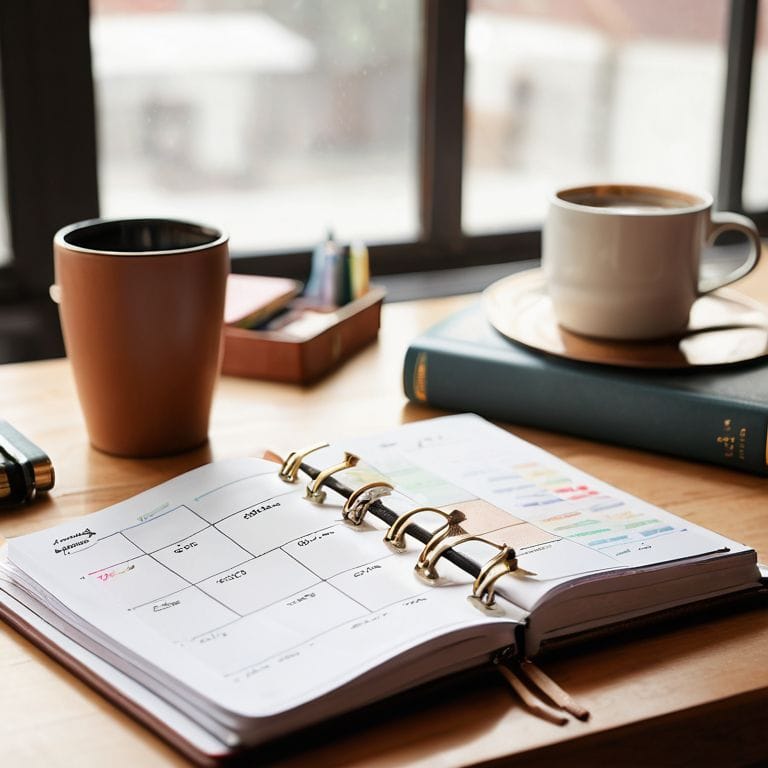
As I delve deeper into my own schedule, I’ve found that calendar organization tips are essential to making the most of my day. By prioritizing tasks and allocating specific time slots, I can avoid last-minute rushes and focus on the tasks that truly matter. For instance, I use the Eisenhower Matrix to categorize tasks into urgent vs. important, and then schedule them accordingly. This helps me strike a balance between tackling pressing tasks and making progress on long-term projects.
When it comes to avoiding burnout with time management, I’ve learned that it’s crucial to leave some buffer time between tasks. This allows me to recharge and refocus, ensuring that I’m always working at my best. By integrating my schedule with my to-do list, I can also keep track of my progress and make adjustments as needed. For example, if I find that I’m consistently underestimating the time required for a particular task, I can adjust my schedule to reflect that.
To take my scheduling to the next level, I’ve started using time estimation techniques to get a more accurate sense of how long each task will take. This involves breaking down larger tasks into smaller, more manageable chunks, and then allocating time for each chunk. By doing so, I can create a more realistic schedule that sets me up for success, and helps me achieve my goals through effective goal setting.
Avoiding Burnout With Eisenhower Matrix
Now that we’ve tightened up our schedules, let’s talk about avoiding burnout. I’ve found the Eisenhower Matrix to be a total lifesaver – it helps me prioritize tasks based on their urgency and importance. By dividing my to-do list into four quadrants – urgent & important, important but not urgent, urgent but not important, and not urgent or important – I can focus on the tasks that really matter.
This simple yet powerful tool has been a game-changer for my own productivity, and I highly recommend giving it a try. By using the Eisenhower Matrix in conjunction with time blocking, I’ve been able to strike a better balance between work and play, and avoid those dreaded burnout moments. Give it a shot and see how it can help you achieve a healthier work-life balance!
Tighten Up Your Schedule
Now that we’ve dove into the world of time blocking, it’s time to tighten up your schedule. Think of it as fine-tuning a well-oiled machine – you’ve got the basics down, but it’s time to make adjustments for maximum efficiency. I like to think of it as “scheduling with intention.” By being mindful of how you allocate your time, you can prioritize tasks that truly matter and cut out the noise.
As I always say, a solid schedule is like a trusty toolbox – it’s only as good as the tools you put in it. So, take a closer look at your time blocks and ask yourself: are they serving you, or are they just taking up space? By regularly assessing and adjusting your schedule, you’ll be able to stay on track and make the most of your time.
Time Blocking Hacks to Supercharge Your Day
- Set your schedule in stone: Start by dedicating a few minutes each morning to plan out your day, and make sure to include time blocks for both work and play
- Learn to say no to non-essentials: Be ruthless about eliminating distractions and focus on the tasks that really matter – remember, time blocking is all about prioritizing your goals
- Use a ‘stop doing’ list: Identify tasks that are no longer serving you and cut them loose to free up more time for the things that bring you joy and fulfillment
- Schedule self-care: Don’t forget to block out time for activities that nourish your mind, body, and soul – whether that’s a morning meditation session or a lunchtime walk in the park
- Review and adjust: Regularly take a step back to evaluate your time blocking strategy and make adjustments as needed – life is unpredictable, and your schedule should be flexible enough to roll with the punches
Key Takeaways to Supercharge Your Productivity
Time blocking is a powerful technique to schedule your tasks like a ‘workshop’ and boost your productivity, helping you stay focused and avoid distractions
By mastering time blocking and using tools like the Eisenhower Matrix, you can effectively prioritize tasks, avoid burnout, and create a better work-life balance that reflects your unique needs and goals
Remember, the key to making time blocking work for you is to be flexible, adapt it to your lifestyle, and continually tweak your schedule to ensure it remains a dynamic and supportive tool for achieving your objectives
Time Blocking Wisdom
Time blocking isn’t just about scheduling tasks, it’s about crafting a rhythm for your day that lets you harmonize work and life, so you can strike a chord of productivity and serenity – all in perfect sync.
Liam Harrington
Unlocking the Full Potential of Time Blocking

As we’ve explored the world of time blocking, it’s clear that this technique can be a game-changer for anyone looking to boost productivity and reduce stress. From scheduling tasks like a ‘workshop’ for your day, to mastering the Eisenhower Matrix and avoiding burnout, we’ve covered the essential steps to make time blocking a success. By tightening up your schedule and prioritizing tasks effectively, you can achieve a better work-life balance and make the most out of your time. Whether you’re a DIY enthusiast like me, or just someone looking to get more done in less time, time blocking is a versatile tool that can be adapted to fit your unique needs and style.
So, as you embark on your own time blocking journey, remember that the key to unlocking its full potential lies in your ability to be flexible, creative, and consistent. Don’t be afraid to experiment and adjust your approach as needed, and always keep in mind that the ultimate goal of time blocking is to give you more time for the things that truly matter. With time blocking on your side, you can unleash your creativity and make space for the projects, hobbies, and passions that bring you joy and fulfillment. Happy building, and I’ll catch you in the next post!
Frequently Asked Questions
How do I determine the ideal length for each time block to maximize productivity?
So, you wanna know the secret to sizing your time blocks for max productivity? I say, start by estimating how long each task’ll take, then add a 10-15% buffer for unexpected twists – that way, you’re prepared for anything that comes your way!
Can time blocking be applied to personal activities and habits outside of work or study?
Absolutely, time blocking isn’t just for work or study – it’s a game-changer for personal activities too. I use it to schedule my urban treasure hunts and DIY projects, making sure I’ve got dedicated time for the things I love. Try blocking time for exercise, hobbies, or even just relaxation – it’s amazing how it can help you prioritize self-care and make the most of your free time.
What strategies can I use to avoid distractions and stay focused during each time block?
To stay focused, I swear by the Pomodoro Technique – work in 25-minute bursts, then take a 5-minute break. I also silence my phone and remove any tempting tabs on my computer. And, let’s be real, a clutter-free workspace is key! Give it a try and watch your productivity soar.